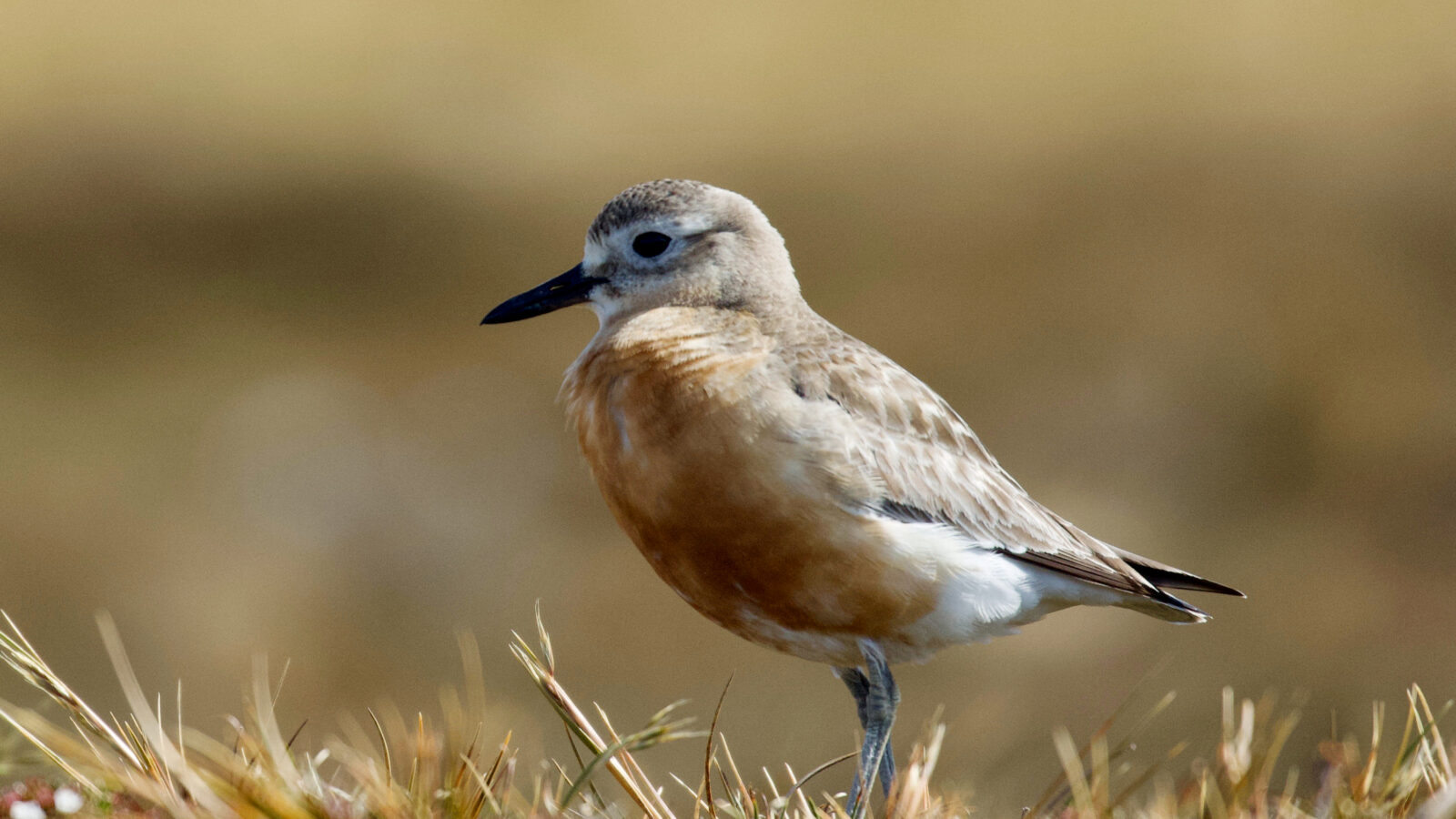
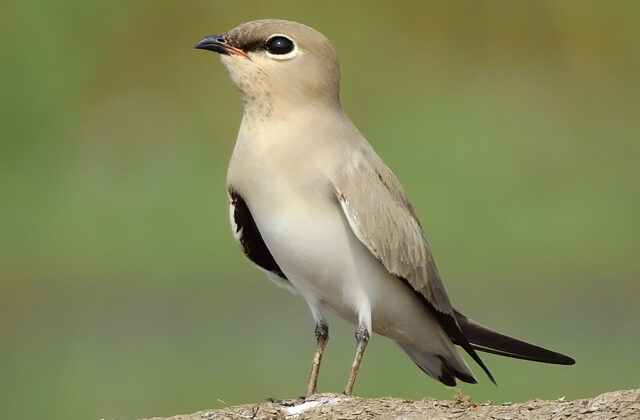
Photo: Original: Karthicss; this edit: MPF / CC BY-SA 4.0 (Wikimedia Commons)
New Zealand Plover
Anarhynchus obscurus
New Zealand Plover (Anarhynchus obscurus) — Shorebirds, Gulls & Auks of Australia & Oceania.
Found across 2 guides in our atlas — open any for the full checklist, photos and what's around right now.
The New Zealand Plover (Anarhynchus obscurus) is a member of the Charadriidae family found in Australia & Oceania. The IUCN Red List lists it as Critically Endangered.
Conservation status
IUCN Red List (opens in a new tab)Facing an extremely high risk of extinction in the wild.
Where it fits
- Class Aves
- Order Charadriiformes
- Family Charadriidae Plovers
- Genus Anarhynchus
- Species obscurus
Quick facts
- Family
- Charadriidae
- Order
- Charadriiformes
Biology & behaviour
The New Zealand Plover (Anarhynchus obscurus) is a species of bird in the Charadriidae family, part of the order Charadriiformes. Its range spans Australia & Oceania. Its distribution covers AU coastal n North I. and montane Stewart I. (New Zealand).
It is classified as Critically Endangered on the IUCN Red List and is a focus of conservation concern. Critically Endangered is the highest risk category before extinction in the wild.
Frequently asked questions
Where does the New Zealand Plover live?
The New Zealand Plover is found across Australia & Oceania with a range covering AU coastal n North I. and montane Stewart I. (New Zealand).
What family does the New Zealand Plover belong to?
The New Zealand Plover (Anarhynchus obscurus) belongs to the Charadriidae family, in the order Charadriiformes.
Is the New Zealand Plover endangered?
It is classified as Critically Endangered on the IUCN Red List and is a focus of conservation concern Critically Endangered is the highest risk category before extinction in the wild.
Conservation
Every bird benefits from bird-safe windows, native plants, and keeping cats indoors. Small changes at home add up to real protection.
Explore more birds
More in Charadriidae
 Least Concern
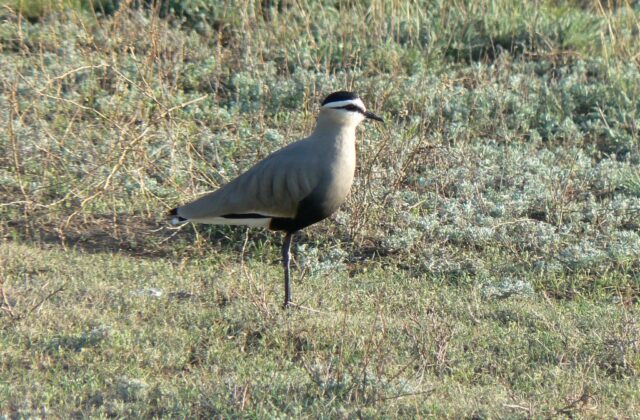 Critically Endangered
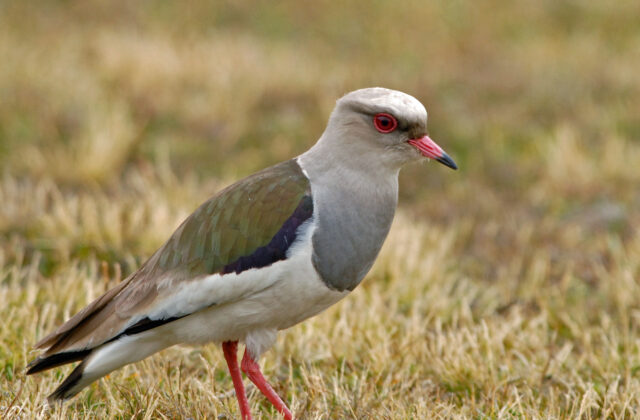 Least Concern
 Endangered
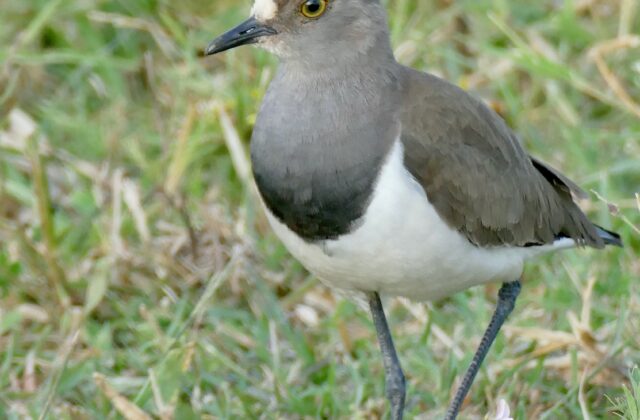 Least Concern
More in Shorebirds
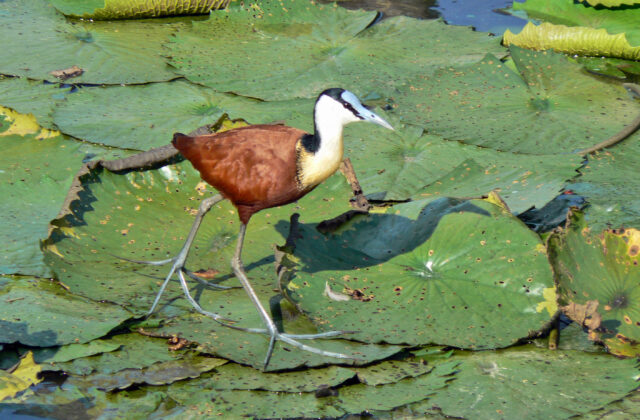 Least Concern
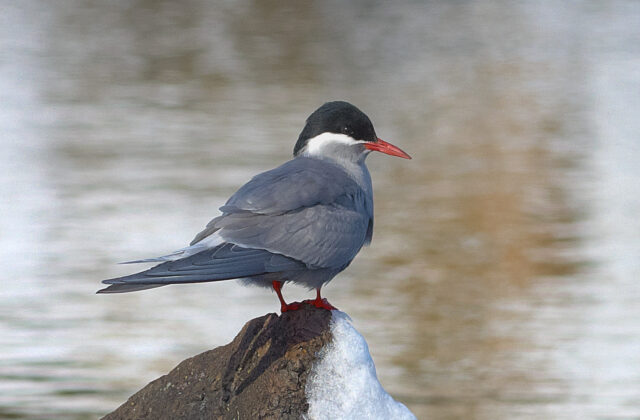 Near Threatened
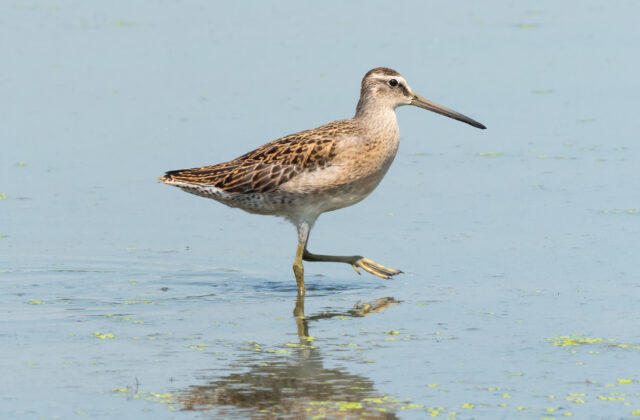 Vulnerable
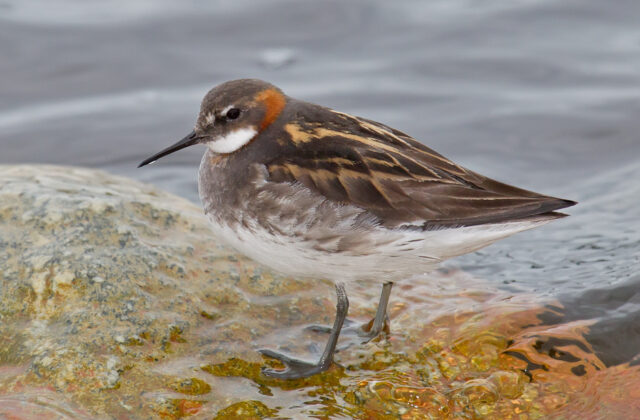 Least Concern
 Least Concern
 Least Concern