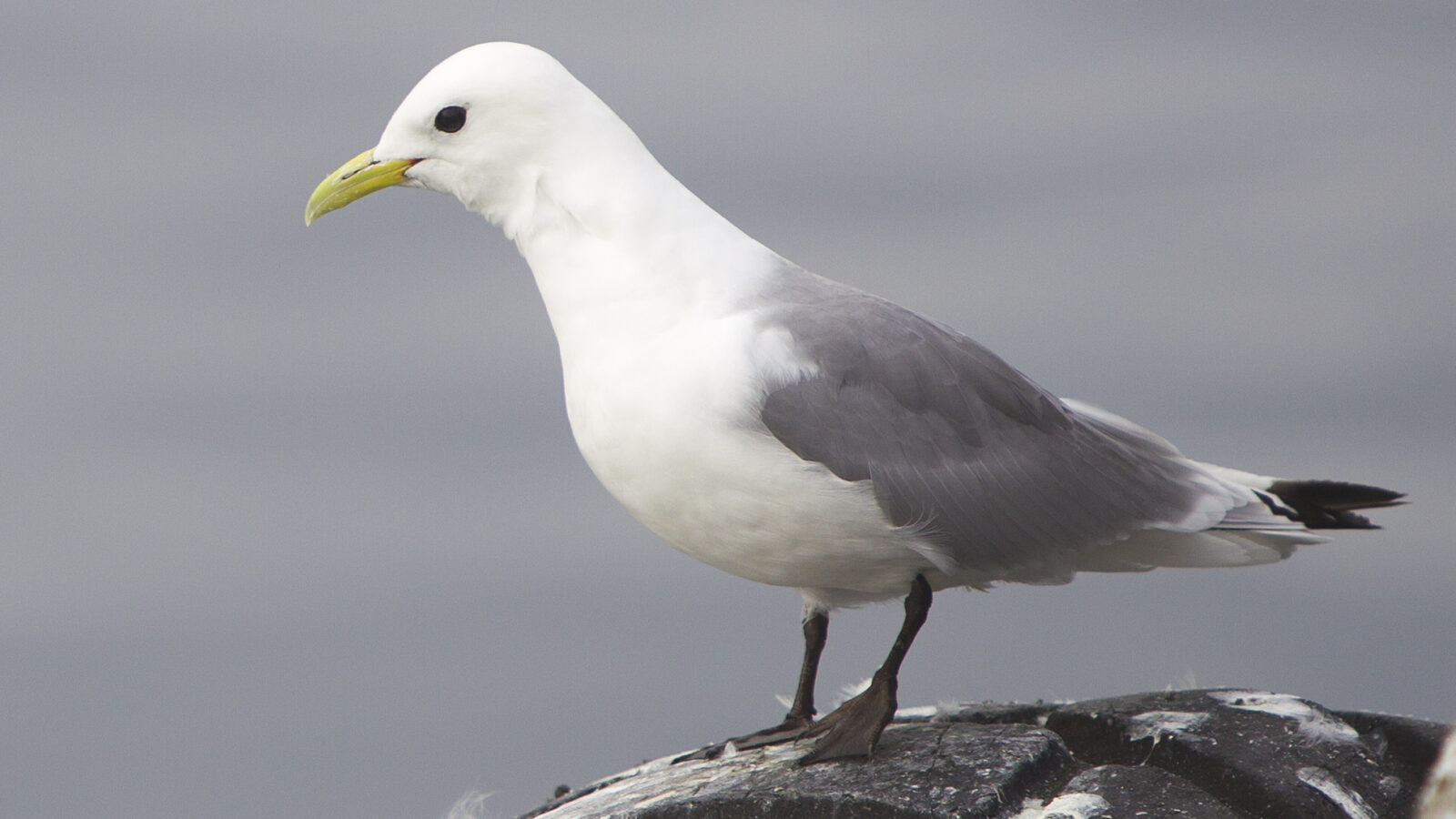
Photo: Yathin S Krishnappa / CC BY-SA 3.0 (Wikimedia Commons)
Black-legged Kittiwake
Rissa tridactyla
Black-legged Kittiwake (Rissa tridactyla) — Shorebirds, Gulls & Auks of Europe & Northern Asia.
Found across 20 guides in our atlas — open any for the full checklist, photos and what's around right now.
The Black-legged Kittiwake (Rissa tridactyla) is a member of the Laridae family found in Europe & Northern Asia and North America. Adults weigh 416 g. The IUCN Red List lists it as Vulnerable.
Conservation status
IUCN Red List (opens in a new tab)Facing a high risk of extinction in the wild.
Where it fits
- Class Aves
- Order Charadriiformes
- Family Laridae Gulls, Terns, Skimmers
- Genus Rissa
- Species tridactyla
Where it lives
High Arctic to temperate northern coasts, from Greenland, Iceland, western, northwestern Europe, Svalbard (north of Norway), northern Siberian is. to Sakhalin, Kamchatka, Kuril and Commander is. (eastern Russia); Aleutian and Bering Sea is., western, southwestern Alaska mainland; Canadian high Arctic (northeastern Canada), Gulf of St. Lawrence and Newfoundland (southeastern Canada)
Quick facts
- Weight
- 416 g
- Diet
- Aquatic hunters
- Family
- Laridae
- Order
- Charadriiformes
- Habitat
- Wetland, lake & coast
How to identify
Similar birds
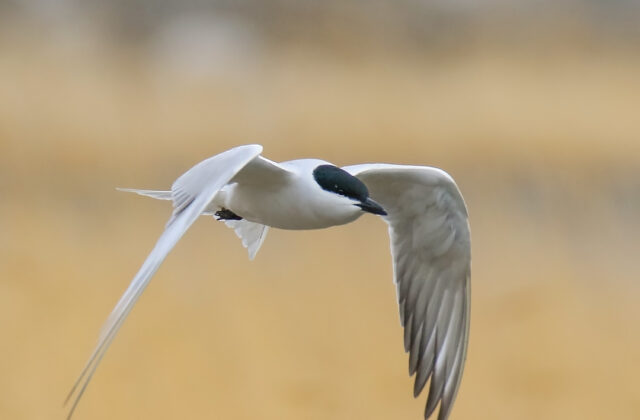 Least Concern
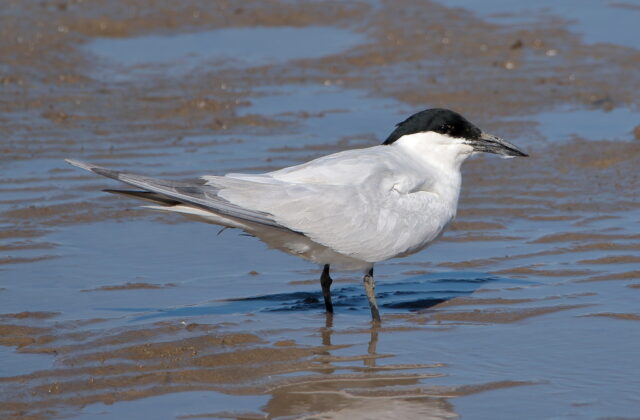 Least Concern
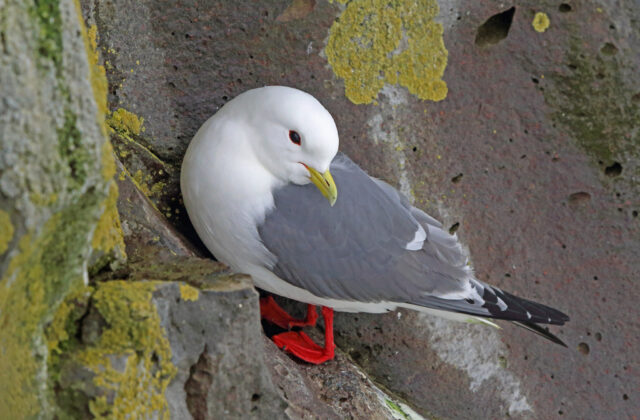 Vulnerable
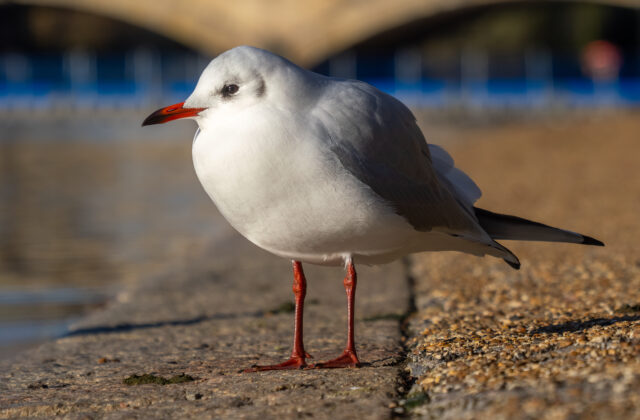 Least Concern
Biology & behaviour
Diet
The Black-legged Kittiwake hunts aquatic prey such as fish and aquatic invertebrates.
Behaviour
A bird of open sea and coastal waters, it is highly aerial, spending much of its time on the wing.
Migration
The Black-legged Kittiwake is partially migratory: some populations move with the seasons while others stay resident year-round.
The Black-legged Kittiwake (Rissa tridactyla) is a species of gulls, terns, skimmers in the family Laridae, order Charadriiformes. It is found in Europe & Northern Asia, North America — high Arctic to temperate n coasts, from Greenland, Iceland, w, nw Europe, Svalbard (n of Norway), n Siberian is. to Sakhalin, Kamchatka, Kuril and Commander is. (e Russia); Aleutian and Bering Sea is., w, sw Alaska mainland; Canadian high Arctic (ne Canada), Gulf of St. Lawrence and Newfoundland (se Canada).
Songs & calls
Frequently asked questions
How big is the Black-legged Kittiwake?
The Black-legged Kittiwake is a large bird that weighs around 416 g.
Where does the Black-legged Kittiwake live?
The Black-legged Kittiwake is found across Europe & Northern Asia and North America with a range covering PAL, NA high Arctic to temperate n coasts, from Greenland, Iceland, w, nw Europe, Svalbard (n of Norway), n Siberian is. to Sakhalin, Kamchatka, Kuril and Commander is. (e Russia); Aleutian and Bering Sea is., w, sw Alaska mainland; Canadian high Arctic (ne Canada), Gulf of St. Lawrence and Newfoundland (se Canada), where it is associated with wetlands, lakes and other open water.
What family does the Black-legged Kittiwake belong to?
The Black-legged Kittiwake (Rissa tridactyla) belongs to the Laridae family, in the order Charadriiformes.
What does the Black-legged Kittiwake eat?
The Black-legged Kittiwake hunts aquatic prey such as fish and aquatic invertebrates.
Does the Black-legged Kittiwake migrate?
The Black-legged Kittiwake is partially migratory: some populations move with the seasons while others stay resident year-round.
Is the Black-legged Kittiwake endangered?
It is classified as Vulnerable on the IUCN Red List and is a focus of conservation concern Vulnerable species face a high risk of extinction in the wild if pressures continue.
What sound does the Black-legged Kittiwake make?
1 real field recording of the Black-legged Kittiwake — including its begging call — can be played in the Songs & calls section on this page, credited to the recordist who captured it.
How large is the Black-legged Kittiwake's range?
The Black-legged Kittiwake has a mapped global range of about 2.3 million km².
Conservation
Every bird benefits from bird-safe windows, native plants, and keeping cats indoors. Small changes at home add up to real protection.
Explore more birds
More in Laridae
 Not Evaluated
 Least Concern
 Not Evaluated
 Least Concern
 Least Concern
 Least Concern
More in Shorebirds
 Not Evaluated
 Least Concern
 Extinct
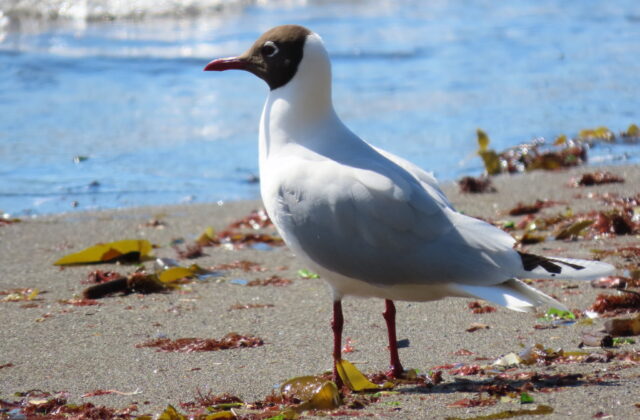 Not Evaluated
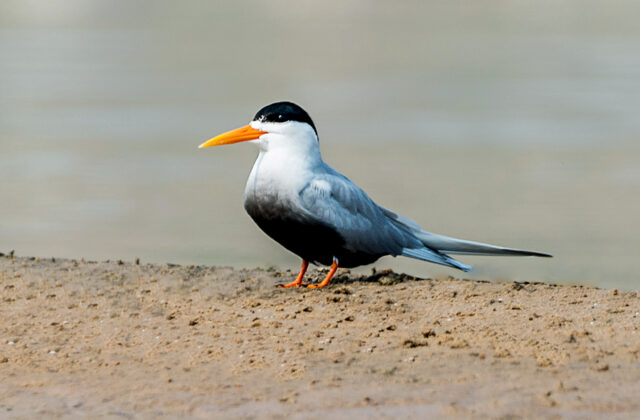 Endangered
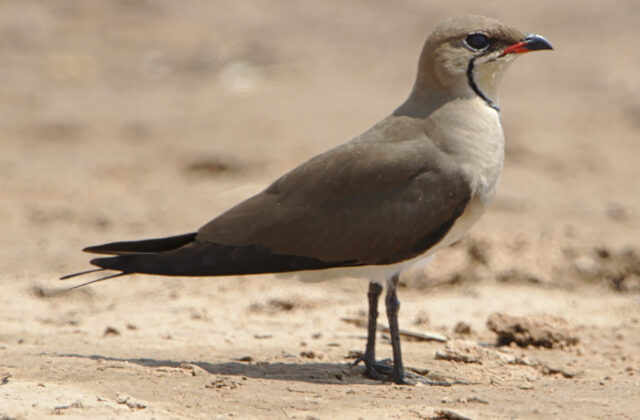 Near Threatened