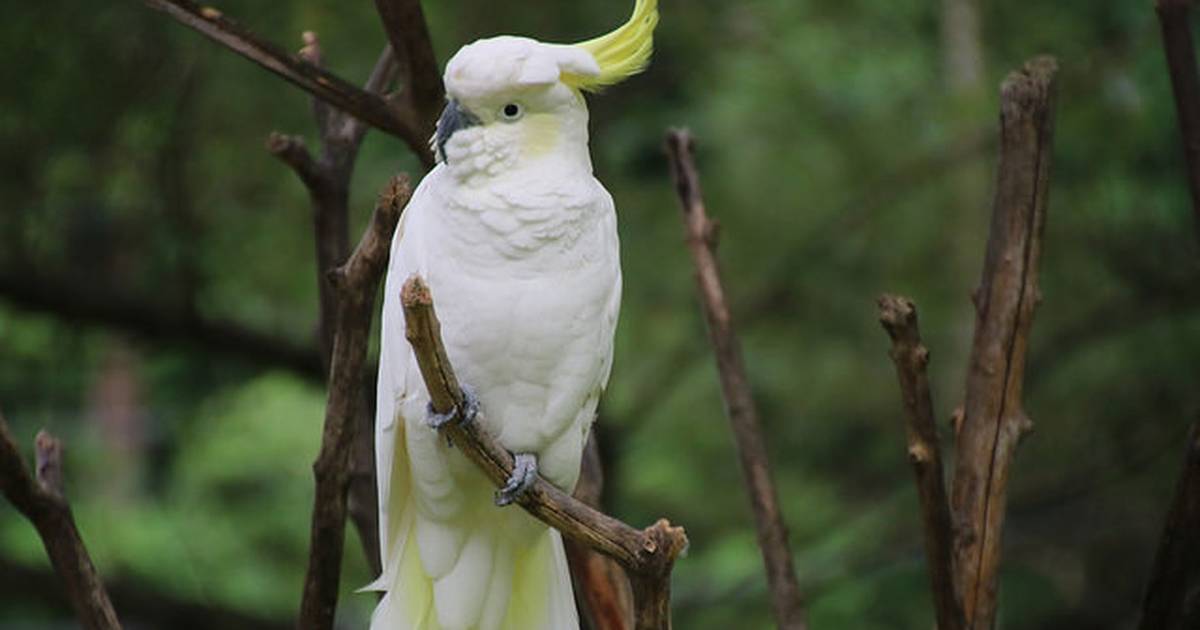
Birds are considered to be the closest living relatives of dinosaurs, particularly the theropods, which includes the fearsome T-Rex. These birds are often referred to as raptors due to their predatory nature. Although they are much smaller than their prehistoric ancestors, they have adapted to various environments and climates, which has resulted in the evolution of their beaks. However, not all birds have lost their teeth, as ducks, geese, and penguins are still equipped with them. It is important to note that it is illegal to keep certain bird species as pets in California. Bird beaks are sharp, and it is essential to handle them with care.
Choosing a bird as a pet can be challenging, particularly for beginners. Whether you are seeking a low-maintenance bird or are looking to become a bird enthusiast in your community, we have several recommendations to consider.
Parakeets
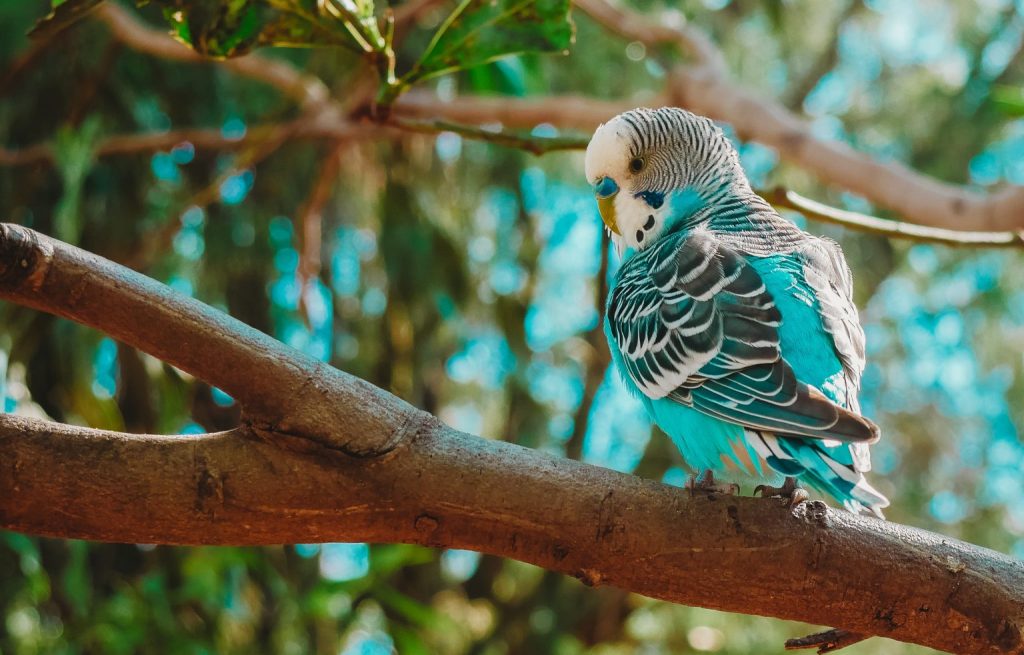
At the top of our list of recommended bird pets for beginners are parakeets, also known as budgies. They are a popular pet in the US because they are low-maintenance and come in a variety of colors such as blue, green, yellow, and white with black speckling. With proper care, they can be friendly and affectionate pets that can even learn tricks and talk. We recommend spending time with them and considering getting a companion budgie for them. Parakeets are also great with children, and while they may bite if agitated, their bites are not as severe as larger birds.
Although parakeets are content in a cage, they still need exercise. We suggest allowing them to fly for an hour daily, but prior to releasing them, make sure they are trained and their wings are clipped for safety. We also advise removing other animals from the room to prevent any accidents.
Parakeets have a lifespan of around 10 years, are small in size, have a low noise level, and require moderate social interaction.
Cockatiels
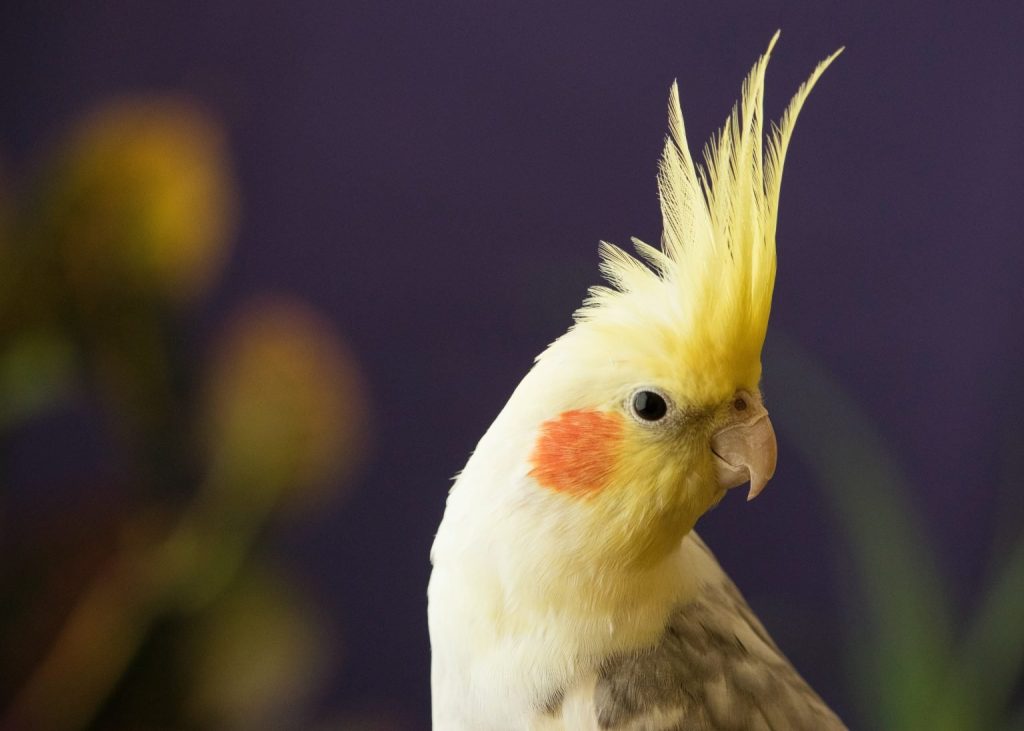
Cockatiels are a popular choice for bird pets in America, and they are considered the top sellers. These small and affectionate birds have a similar color pattern, usually gray, white, and yellow. They are recognized for the feathers on their heads and the red cheeks. Cockatiels are sociable, enjoy human interaction, and tend to make friends with everyone, rather than bonding with one person. They are suitable for families with children, but they require slightly more attention and training than parakeets and need a larger cage.
To keep them healthy and happy, it’s best to let your cockatiel out of its cage for a few hours daily in a safe and open space inside your home. Cockatiels are a low-maintenance and friendly pet option, and they have a lifespan of about 20 years. They are small in size, produce low noise levels, and require moderate social interaction.
Parrotlets
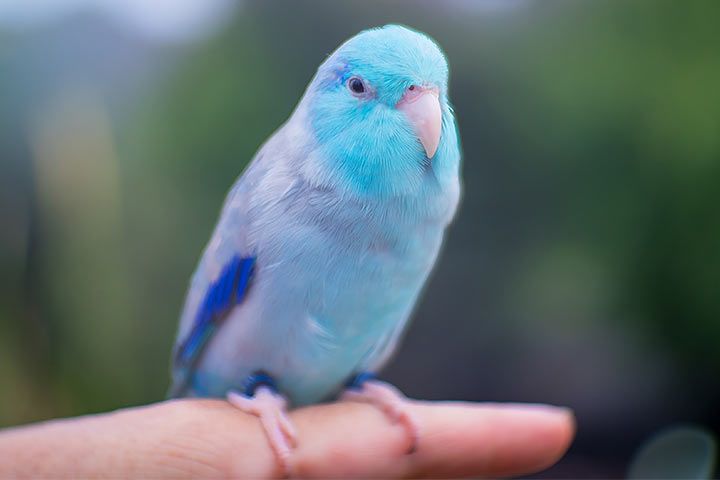
Parrotlets are colorful and energetic birds that display a lot of character. They are tiny, with blue, green, and yellow feathers, making them an excellent option if you want a bird with a distinct personality. However, if you want to establish a connection with your parrotlet, you should be willing to spend a lot of time with them, hand-feed them, and engage them with toys and games. If you provide them with enough stimulation, they can be friendly and playful. Nevertheless, they are easily bored, and without enough attention, they may become destructive. They may also ignore humans if they have a companion, so it’s essential to understand what you’re looking for in a relationship with your pet before getting one.
Parrotlets need exercise too, so you should let them out of their cages every day for a few hours. Make sure you train them before releasing them to avoid accidents. For parrotlets, we suggest a few hours of flying time before returning them to their cages. Their lifespan is 20 years, size is extra small and noise level is medium.
Lovebirds
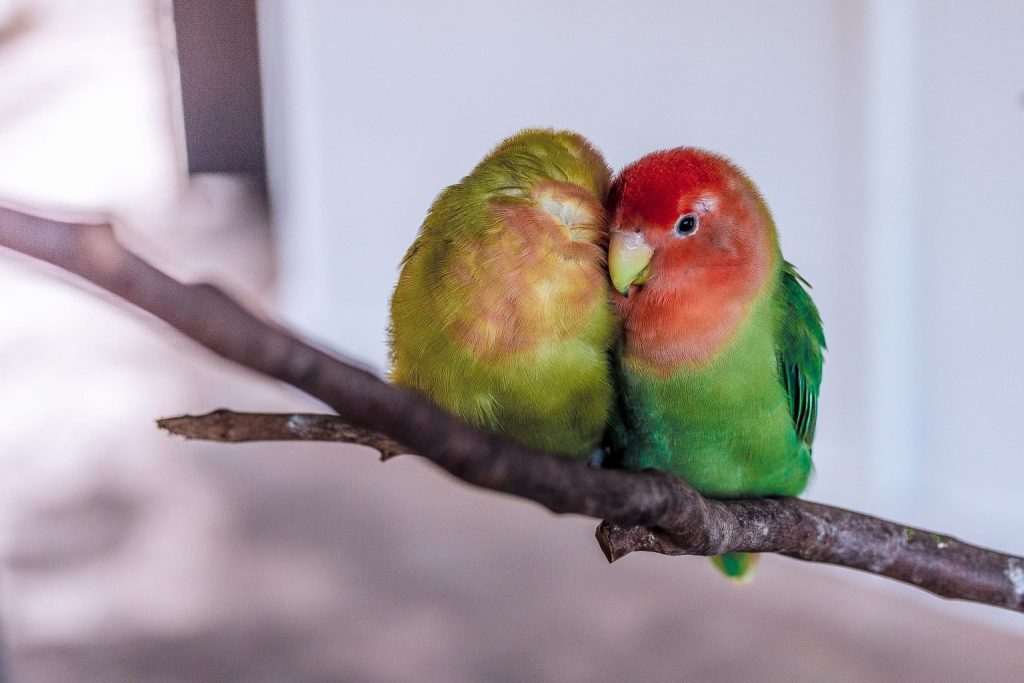
Lovebirds are a colorful bird species that are highly active, curious, and playful. They require a lot of training and attention to prevent them from becoming territorial or aggressive. However, when handled frequently and trained well, they can bond closely with their owners and become affectionate. Providing them with plenty of toys is important as they love to play and chew. Although they don’t necessarily need a mate, they do enjoy being part of a flock. A single lovebird needs a medium-sized cage that allows them to fly around. To ensure their exercise needs are met, they should be let out in a safe room for a few hours every day. Their lifespan is 20 Years and noise level is also low.
Lovebirds can be quite territorial and aggressive, so it’s important to handle them frequently and train them right to prevent any unwanted behavior. They can also become quite jealous, so it’s important to show them lots of love and attention to prevent this. With proper training, lovebirds can become quite affectionate and cuddly with their owners, making them excellent pets.
Overall, lovebirds are lively, engaging, and intelligent birds that make great pets for bird lovers who are willing to provide them with the attention, training, and care they need to thrive.
Canaries
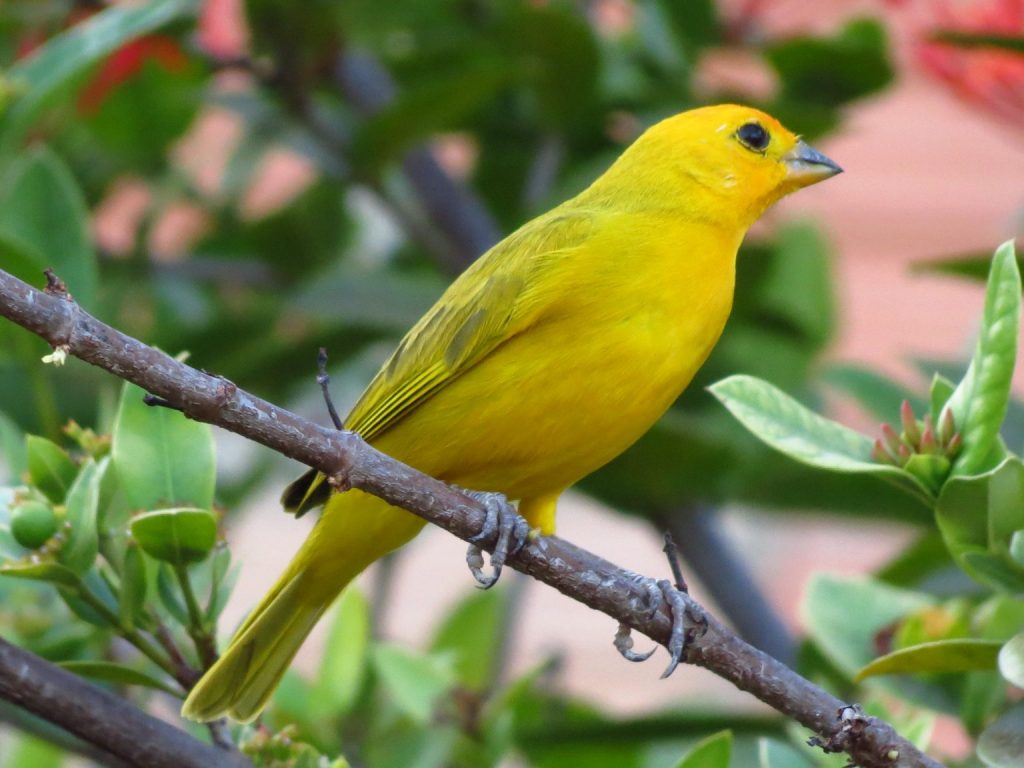
Canary lovers are some of the most passionate bird enthusiasts out there, and it’s easy to see why! These delicate birds are known for their beautiful singing voices and come in bright colors such as yellow, orange, white, and red. They are smart and sociable birds that enjoy chatting and singing to people. Canaries are easy to care for and require little attention, making them an excellent low-maintenance pet. Although they are not fond of being touched too much, they can be trained to fly around the house for exercise. Canaries are typically solitary birds, but you can keep them in pairs or groups, as long as they are not two males, which will fight. Male canaries are the best choice if you want a particularly lovely singing voice. Make sure to let your canary out for some exercise once they are trained!
Despite being social, canaries are strictly observational birds and prefer not to be touched too much. They are low-maintenance pets and require very little attention. They are perfectly happy living alone in a cage, but they do enjoy the feeling of being part of a flock. They are trainable and can be let out of their cage for exercise.
In summary, canaries are smart, cheerful little birds that like to chat and sing to passersby. They are low maintenance and require little attention, making them a great pet for those who may not have a lot of time to devote to their pets. They are social and prefer to be kept in pairs or groups, but they are perfectly happy living alone in a cage as long as they have enough space to fly around.
Their lifespan is 10 years, size is small and their social needs are low.
Finches
The Finch family includes a tiny bird known as the “Pinch.” With its small size, measuring about 3 inches in wingspan, this lively creature has a flat head and a large beak that contributes to its distinctive appearance. Female Pinches tend to have more muted plumage, usually brown or gray in color, while the males sport more colorful feathers to attract potential mates.
Pinches are highly social animals, and as such, it’s best to buy them in pairs or multiple numbers to ensure they have companionship. They thrive on interaction, and having a friend or two can make all the difference in their overall happiness and well-being.
These birds are incredibly fast-moving, and while they are capable of climbing, they much prefer flying. As such, it’s essential to make sure that their cage is large enough to accommodate their flying needs. Crowded cages can result in fights between birds, which is something that no bird parent wants to experience.
Despite their small size, Pinches can make perfect companions for both adults and children. They are highly entertaining and have personalities that are sure to delight. However, they do require care and attention to thrive, so it’s important to be prepared to spend time interacting with them and providing for their needs.
When it comes to care, Pinches are relatively low maintenance, making them an excellent choice for bird enthusiasts who don’t have a lot of time to spare. They don’t need to be touched too much, and they’re content to live alone in a cage. However, they do require a healthy diet and regular exercise to stay healthy.
As with all birds, Pinches require daily exercise, so it’s important to let them out of their cage for an hour or two each day to stretch their wings and fly around. However, before doing so, it’s important to ensure that they are trained to come back to their cage when needed.
In summary, Pinches are tiny, lively birds with distinctive features, including a large beak and a flat head. They are highly social animals and are best bought in pairs or multiple numbers to ensure they have companionship. They are fast-moving and prefer flying over climbing, making it essential to provide them with a large cage that accommodates their flying needs. Despite their small size, Pinches make excellent companions and are relatively low maintenance, requiring a healthy diet and regular exercise to stay healthy. As with all birds, daily exercise is essential, so make sure to let them out of their cage for an hour or two each day. With proper care and attention, Pinches can make fantastic pets for bird enthusiasts of all ages.
How to Choose the Right Bird Cage
When selecting a cage for your bird, it is essential to choose one that is spacious enough. Bigger cages are generally better as there is no such thing as a cage that is too large. As a general rule, the cage should be large enough for the bird to extend its wings and fly a few times. The cage should also be wide and long enough for the bird to move around comfortably. It is essential to consider the spacing of the cage bars as well, so the bird cannot escape or predators cannot enter, such as snakes.
Where to Place the Bird’s Cage
To ensure the well-being of your feathered friend, it’s essential to place their cage in a well-ventilated area, away from the kitchen, to avoid exposure to smoke and Teflon vapors. Birds need sunlight to maintain strong bones, so it’s advisable to put their cage near an open window where they can soak up some Vitamin D. However, make sure they have access to shade to avoid overheating. Since pet birds can be messy, it’s best to keep their cages in an easily cleanable location.
Health Hazards to Pet Birds
To ensure the safety of your pet bird, it is essential to avoid certain items that may cause health hazards to them. Firstly, nonstick cookware, such as pots and pans, that are coated with Teflon can release toxic fumes that are fatal to birds when heated. Therefore, it is recommended to replace such items with safer ones made of stainless steel or other safe materials. Secondly, tobacco smoke can severely affect birds’ respiratory systems, so it’s best to smoke outside or at a safe distance away from your bird or open windows. Thirdly, some houseplants like lilies, philodendrons, amaryllis flowers, and shamrocks are toxic to birds, and their effect can range from mild illness to sudden death. It is best to move such plants to spaces your bird cannot reach or opt for bird-safe plants in the future. Lastly, scented candles and air fresheners can also harm birds’ respiratory health, so it is recommended to avoid using them and consult a vet about safe cleaning supplies for your pet bird’s health.
Do Birds Pee?
birds do not produce urine like mammals do. Instead, their unique digestive system allows them to excrete nitrogenous waste in the form of uric acid. This waste product looks like a white paste and can commonly be found on the ground beneath areas where birds gather.
The avian digestive system is designed to be lightweight and efficient, allowing birds to take flight easily. Unlike mammals, birds do not have a bladder to store liquid waste. Instead, the kidneys extract uric acid from the blood and it is mixed with other waste products in the cloaca, a common chamber for waste elimination and reproductive functions.
Once the uric acid and other waste products are mixed together, they are expelled from the body through the cloaca. The uric acid forms a white paste-like substance that is easy to excrete and does not require much water. This is important for birds, as they must maintain a light body weight to fly effectively.
The absence of urine in birds has other advantages as well. The white paste that they excrete is less likely to attract predators and does not require a lot of water to eliminate. Additionally, because the uric acid is expelled with other waste products, birds are able to extract more nutrients from their food and maintain a healthier diet.
In conclusion, birds do not produce urine as mammals do. Instead, they excrete nitrogenous waste in the form of uric acid, which appears as a white paste-like substance. This unique feature of the avian digestive system allows birds to maintain a lightweight body and extract more nutrients from their food.
What Is a Good Bird for a First Time Owner?
n addition to the bird species we have mentioned earlier, there are other types of birds that would make great first-time pets. These include Poicephalus parrots, Quaker parrots, Grey-cheeked parakeets, Lovebirds, Pionus parrots, and Cockatiels.
Poicephalus parrots, also known as Cape parrots, are intelligent and affectionate birds that love to play and cuddle with their owners. They have a gentle disposition and are relatively quiet compared to other parrots, making them a great choice for apartment living.
Quaker parrots, also known as Monk parakeets, are highly social birds that thrive on human interaction. They are also intelligent and easy to train, making them a great choice for first-time bird owners. They can also learn to mimic words and phrases.
Grey-cheeked parakeets are small, friendly birds that are easy to care for and make great companions. They are intelligent and social, so they need plenty of interaction with their owners to stay happy and healthy.
Lovebirds are small, colorful parrots that are known for their playful personalities and strong bonds with their owners. They are easy to care for and can be trained to perform simple tricks.
Pionus parrots are gentle and quiet birds that are ideal for apartment living. They are known for their affectionate nature and can form strong bonds with their owners.
Cockatiels are friendly and playful birds that make great pets for first-time bird owners. They are relatively easy to care for and can be trained to do simple tricks. They are also relatively quiet compared to other parrots, making them a great choice for apartment living.
CONCLUSION
Birds can make great pets, but being a bird owner requires sacrifices. We hope our guide on the best pet birds for beginners has been informative. Before getting a pet bird, consider how much time and money you are willing to devote to these feathered friends. Like other pets, birds have dietary and healthcare requirements that you must fulfill.