Ovenbirds & Woodcreepers of Peru
152 ovenbirds and woodcreepers recorded in Peru on the eBird network and profiled in the Birbs encyclopedia — the full list, with photos, sounds and ID notes, plus what's near you now.
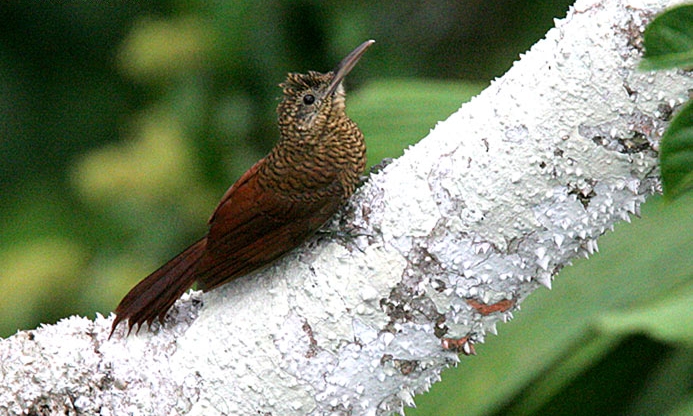
152 ovenbirds and woodcreepers have been recorded in Peru on eBird, the global citizen-science database run by the Cornell Lab of Ornithology, and carry a full profile in the Birbs encyclopedia. Every bird below is a member of this group — the family Furnariidae. Start with the well-known species, browse the complete list, then check which are being reported near you right now.
See birds reported near you → Get rare-bird alerts
Ovenbirds & Woodcreepers of Peru to know first
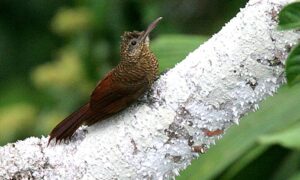 Amazonian Barred WoodcreeperDendrocolaptes certhia
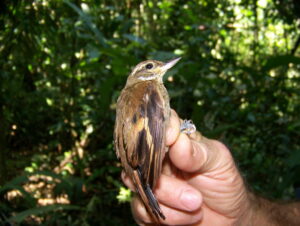 Amazonian Plain XenopsXenops genibarbis
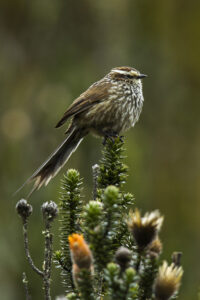 Andean Tit-SpinetailLeptasthenura andicola
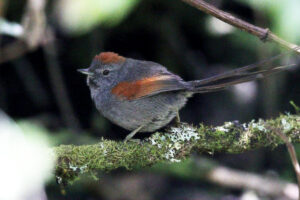 Apurimac SpinetailSynallaxis courseni
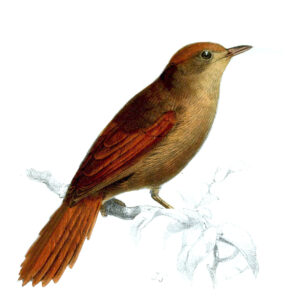 Ash-browed SpinetailCranioleuca curtata
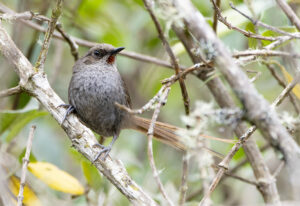 Ayacucho ThistletailAsthenes ayacuchensis
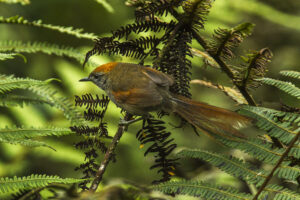 Azara’s SpinetailSynallaxis azarae
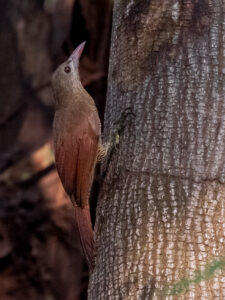 Bar-bellied WoodcreeperHylexetastes stresemanni
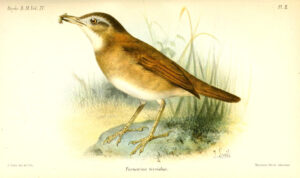 Bay HorneroFurnarius torridus
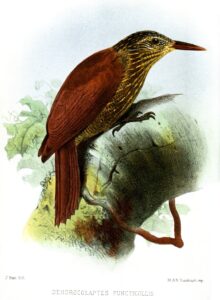 Black-banded WoodcreeperDendrocolaptes picumnus
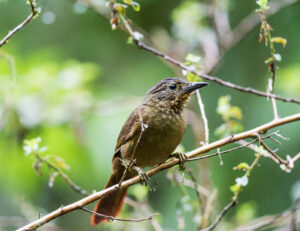 Black-billed TreehunterThripadectes melanorhynchus
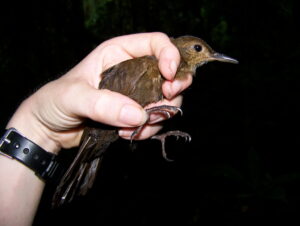 Black-tailed LeaftosserSclerurus caudacutus
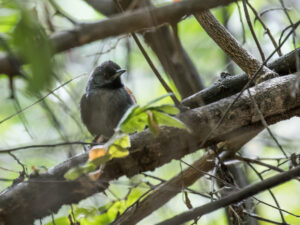 Blackish-headed SpinetailSynallaxis tithys
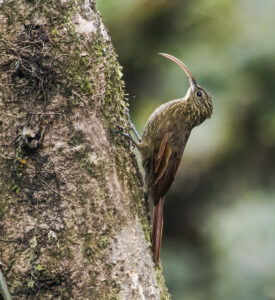 Brown-billed ScythebillCampylorhamphus pusillus
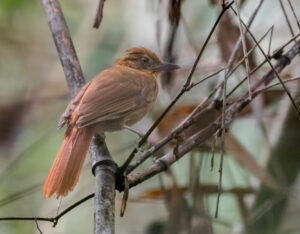 Brown-rumped Foliage-gleanerAutomolus melanopezus
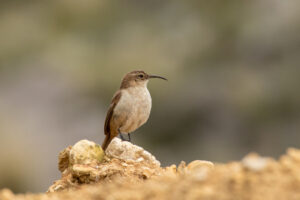 Buff-breasted EarthcreeperUpucerthia validirostris
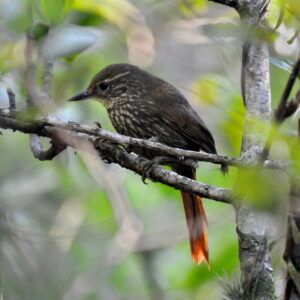 Buff-browed Foliage-gleanerSyndactyla rufosuperciliata
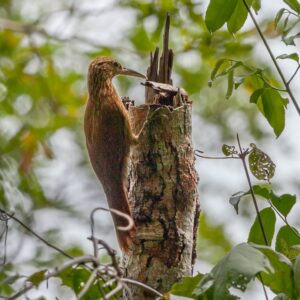 Buff-throated WoodcreeperXiphorhynchus guttatus
The full list — 152 ovenbirds and woodcreepers of Peru in our library
- Amazonian Barred Woodcreeper
- Amazonian Plain Xenops
- Andean Tit-Spinetail
- Apurimac Spinetail
- Ash-browed Spinetail
- Ayacucho Thistletail
- Azara’s Spinetail
- Bamboo Foliage-gleaner
- Bar-bellied Woodcreeper
- Bay Hornero
- Black-banded Woodcreeper
- Black-billed Treehunter
- Black-tailed Leaftosser
- Blackish-headed Spinetail
- Brown-billed Scythebill
- Brown-rumped Foliage-gleaner
- Buff-breasted Earthcreeper
- Buff-browed Foliage-gleaner
- Buff-fronted Foliage-gleaner
- Buff-throated Woodcreeper
- Cabanis’s Spinetail
- Cactus Canastero
- Canyon Canastero
- Chestnut-backed Thornbird
- Chestnut-crowned Foliage-gleaner
- Chestnut-throated Spinetail
- Chestnut-winged Cinclodes
- Chestnut-winged Foliage-gleaner
- Chestnut-winged Hookbill
- Chinchipe Spinetail
- Cinereous-breasted Spinetail
- Cinnamon-rumped Foliage-gleaner
- Cinnamon-throated Woodcreeper
- Coastal Miner
- Common Miner
- Cordilleran Canastero
- Cream-winged Cinclodes
- Creamy-crested Spinetail
- Curve-billed Scythebill
- Dark-breasted Spinetail
- Dark-winged Canastero
- Dark-winged Miner
- Duida Woodcreeper
- Dusky Leaftosser
- Dusky Spinetail
- Eastern Woodhaunter
- Elegant Woodcreeper
- Equatorial Greytail
- Eye-ringed Thistletail
- Flammulated Treehunter
- Great Spinetail
- Greater Scythebill
- Grey-throated Leaftosser
- Greyish Miner
- Henna-hooded Foliage-gleaner
- Inambari Woodcreeper
- Junin Canastero
- Lesser Hornero
- Light-crowned Spinetail
- Line-cheeked Spinetail
- Line-fronted Canastero
- Lineated Foliage-gleaner
- Long-billed Woodcreeper
- Many-striped Canastero
- Maranon Spinetail
- Marcapata Spinetail
- Montane Foliage-gleaner
- Montane Woodcreeper
- Mouse-colored Thistletail
- Necklaced Spinetail
- Northern Plain Xenops
- Ocellated Woodcreeper
- Ochre-cheeked Spinetail
- Ochre-throated Foliage-gleaner
- Olivaceous Woodcreeper
- Olive-backed Foliage-gleaner
- Olive-backed Woodcreeper
- Orange-fronted Plushcrown
- Pacific Hornero
- Pale-breasted Spinetail
- Pale-legged Hornero
- Pale-tailed Canastero
- Parker’s Spinetail
- Pearled Treerunner
- Peruvian Recurvebill
- Peruvian Seaside Cinclodes
- Peruvian Treehunter
- Plain Softtail
- Plain-brown Woodcreeper
- Plain-crowned Spinetail
- Plain-mantled Tit-Spinetail
- Point-tailed Palmcreeper
- Puna Miner
- Puna Thistletail
- Red-and-white Spinetail
- Red-billed Scythebill
- Royal Cinclodes
- Ruddy Foliage-gleaner
- Ruddy Spinetail
- Rufous Spinetail
- Rufous-fronted Thornbird
- Rufous-necked Foliage-gleaner
- Rufous-rumped Foliage-gleaner
- Rufous-tailed Foliage-gleaner
- Rufous-tailed Xenops
- Russet-bellied Spinetail
- Russet-mantled Softtail
- Rusty-backed Spinetail
- Rusty-crowned Tit-Spinetail
- Rusty-fronted Canastero
- Rusty-winged Barbtail
- Scribble-tailed Canastero
- Sharp-tailed Streamcreeper
- Short-billed Leaftosser
- Slaty Spinetail
- Slender-billed Miner
- Slender-billed Xenops
- Southern Long-tailed Woodcreeper
- Speckled Spinetail
- Spectacled Prickletail
- Spot-throated Woodcreeper
- Spotted Barbtail
- Straight-billed Earthcreeper
- Straight-billed Woodcreeper
- Streak-backed Canastero
- Streak-backed Tit-Spinetail
- Streak-fronted Thornbird
- Streak-headed Woodcreeper
- Streak-throated Canastero
- Streaked Tuftedcheek
- Streaked Xenops
- Striated Earthcreeper
- Striped Treehunter
- Striped Woodcreeper
- Strong-billed Woodcreeper
- Tawny Tit-Spinetail
- Thick-billed Miner
- Tyrannine Woodcreeper
- Vilcabamba Spinetail
- Vilcabamba Thistletail
- Wedge-billed Woodcreeper
- White-bellied Cinclodes
- White-bellied Spinetail
- White-browed Spinetail
- White-browed Tit-Spinetail
- White-chinned Thistletail
- White-chinned Woodcreeper
- White-throated Earthcreeper
- White-winged Cinclodes
- Wren-like Rushbird
- Yellow-chinned Spinetail
- Zimmer’s Woodcreeper
Keep exploring
- Birds of Peru
- Tyrant Flycatchers of Peru (248 species)
- Tanagers & Allies of Peru (188 species)
- Hummingbirds of Peru (127 species)
- Antbirds of Peru (117 species)
- Parrots, Cockatoos & Allies of Peru (58 species)
- Hawks, Eagles & Kites of Peru (47 species)
- Woodpeckers of Peru (38 species)
- New World Blackbirds & Orioles of Peru (35 species)
- Sandpipers & Allies of Peru (33 species)
- Owls of Peru (31 species)
- Pigeons & Doves of Peru (31 species)
- Cotingas of Peru (30 species)
- New World Sparrows of Peru (29 species)
- Rails, Crakes & Coots of Peru (29 species)
- Gulls, Terns & Skimmers of Peru (28 species)
- New World Warblers of Peru (28 species)
- Ducks, Geese & Swans of Peru (26 species)
- Wrens of Peru (26 species)
- Manakins of Peru (24 species)
- Thrushes of Peru (24 species)
- Herons, Egrets & Bitterns of Peru (21 species)
- Nightjars of Peru (21 species)
- Swallows & Martins of Peru (20 species)
- True Finches of Peru (20 species)
- Petrels & Shearwaters of Peru (19 species)
- Toucans of Peru (19 species)
- Cuckoos of Peru (18 species)
Ovenbirds & Woodcreepers in other regions
- Ovenbirds & Woodcreepers of Brazil (158 species)
- Ovenbirds & Woodcreepers of Colombia (116 species)
- Ovenbirds & Woodcreepers of Ecuador (105 species)
- Ovenbirds & Woodcreepers of Argentina (92 species)
- Ovenbirds & Woodcreepers of Costa Rica (35 species)
- Ovenbirds & Woodcreepers of Mexico (19 species)
Species and counts come from the eBird network; "recorded" means reported by birders to eBird. Family grouping follows the IOC World Bird List. Tap any bird for its full profile.
Frequently asked questions
How many ovenbirds and woodcreepers are found in Peru?
152 ovenbirds and woodcreepers that we profile appear on Peru's eBird-reported checklist. The full A–Z list is on this page; the real total can shift as eBird records are added.
Are all of these ovenbirds and woodcreepers really found there?
Yes — each one is on Peru's eBird checklist (reported by birders to the Cornell Lab's eBird), and each of these ovenbirds and woodcreepers belongs to the family group named on this page. We don't rank them by abundance, because that varies by season and locale.
Where can I see ovenbirds and woodcreepers in Peru right now?
Use Birds Near You for live, location-based reports, or turn on rare-bird alerts to hear when a notable one shows up close to you.