Cayenne Nightjar
Setopagis maculosa
Cayenne Nightjar (Setopagis maculosa) — Nightjars & Allies of South America.
The Cayenne Nightjar (Setopagis maculosa) is a member of the Caprimulgidae family found in South America. Adults weigh 47 g.
Conservation status
IUCN Red List (opens in a new tab)Not enough information to assess its risk of extinction.
Where it fits
- Class Aves
- Order Caprimulgiformes
- Family Caprimulgidae Nightjars
- Genus Setopagis
- Species maculosa
Quick facts
- Weight
- 47 g
- Diet
- Invertebrate-eaters
- Family
- Caprimulgidae
- Order
- Caprimulgiformes
- Habitat
- Woodland
How to identify
Similar birds
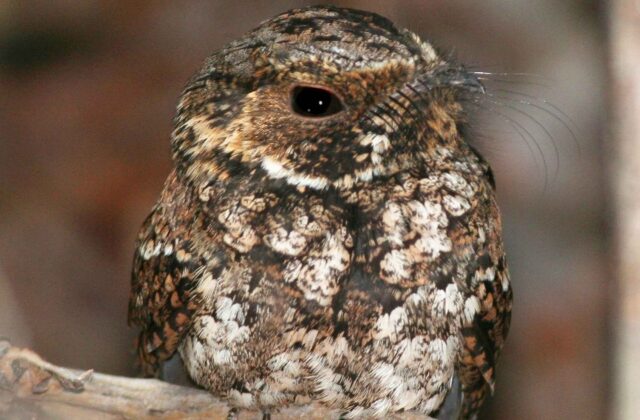 Vulnerable
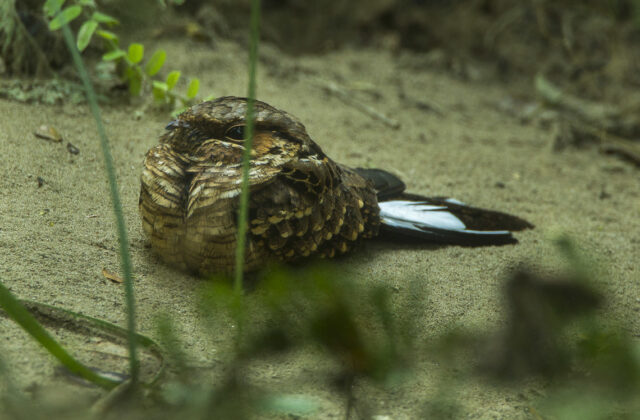 Least Concern
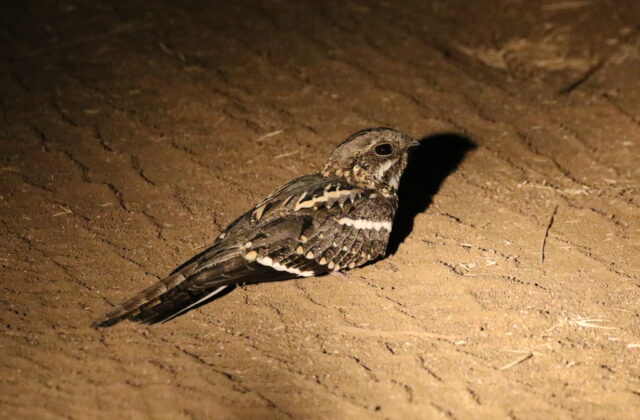 Least Concern
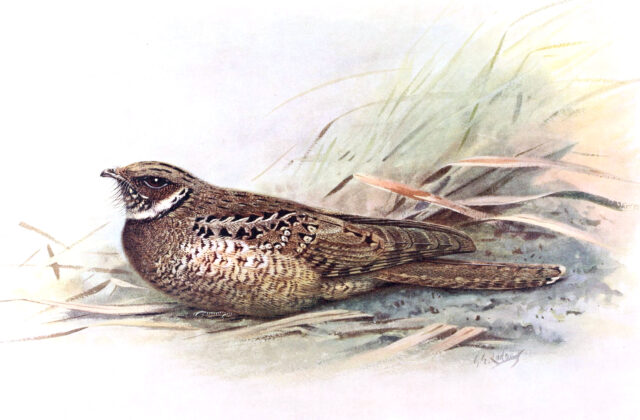 Extinct
Biology & behaviour
Diet
The Cayenne Nightjar is a invertivore — it feeds mainly on invertebrates such as insects and other small prey.
Behaviour
A bird of semi-open forest, it is highly aerial, spending much of its time on the wing.
The Cayenne Nightjar (Setopagis maculosa) belongs to the Caprimulgidae family of the order Caprimulgiformes. It is found across South America. Its distribution covers SA French Guiana.
It is a medium-sized bird. Adults weighs around 47 g, with a wing length of about 13.9 cm and a tail of around 13.1 cm.
Frequently asked questions
How big is the Cayenne Nightjar?
The Cayenne Nightjar is a medium-sized bird that weighs around 47 g.
Where does the Cayenne Nightjar live?
The Cayenne Nightjar is found across South America with a range covering SA French Guiana, where it is typically found in wooded and forested habitats.
What family does the Cayenne Nightjar belong to?
The Cayenne Nightjar (Setopagis maculosa) belongs to the Caprimulgidae family, in the order Caprimulgiformes.
What does the Cayenne Nightjar eat?
The Cayenne Nightjar is a invertivore — it feeds mainly on invertebrates such as insects and other small prey.
Conservation
Every bird benefits from bird-safe windows, native plants, and keeping cats indoors. Small changes at home add up to real protection.
Explore more birds
More in Caprimulgidae
 Least Concern
 Least Concern
 Least Concern
 Least Concern
 Near Threatened
More in Nightjars & Allies
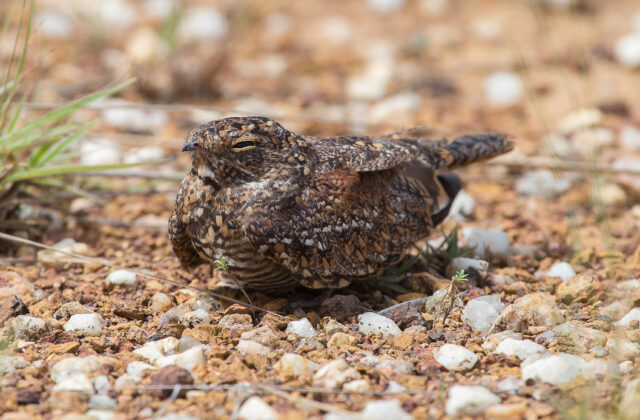 Least Concern
Least Concern
Least Concern
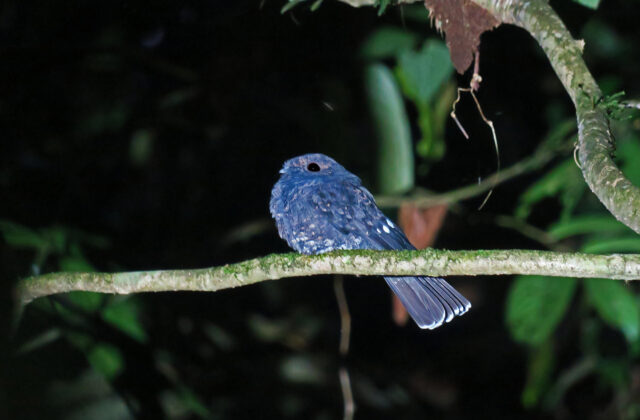 Least Concern
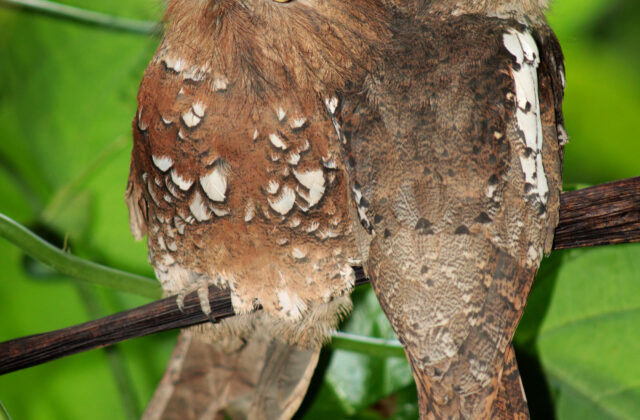 Least Concern
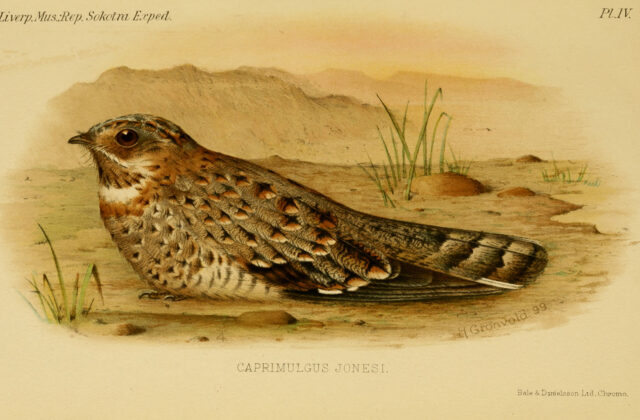 Least Concern