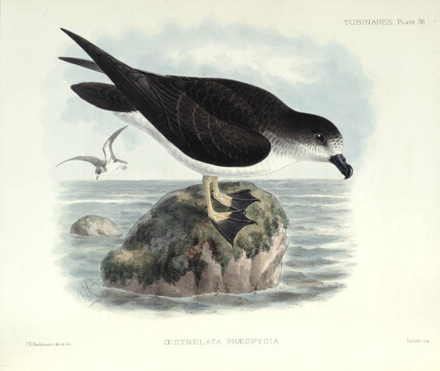
Photo: Plate: John Gerrard Keulemans, 1842-1912 / Public domain (Wikimedia Commons)
Galapagos Petrel
Pterodroma phaeopygia
Galapagos Petrel (Pterodroma phaeopygia) — Seabirds & Tubenoses of Oceans & Seabirds.
Found across 8 guides in our atlas — open any for the full checklist, photos and what's around right now.
The Galapagos Petrel (Pterodroma phaeopygia) is a member of the Procellariidae family found in Oceans & Seabirds. Adults weigh 401 g. The IUCN Red List lists it as Critically Endangered.
Conservation status
IUCN Red List (opens in a new tab)Facing an extremely high risk of extinction in the wild.
Where it fits
- Class Aves
- Order Procellariiformes
- Family Procellariidae Petrels, Shearwaters, Diving Petrels
- Genus Pterodroma
- Species phaeopygia
Where it lives
Montane Isabela, Santiago, Santa Cruz, Floreana and San Cristobal (Galápagos)
Quick facts
- Weight
- 401 g
- Diet
- Aquatic hunters
- Family
- Procellariidae
- Order
- Procellariiformes
- Habitat
- Wetland, lake & coast
How to identify
Similar birds
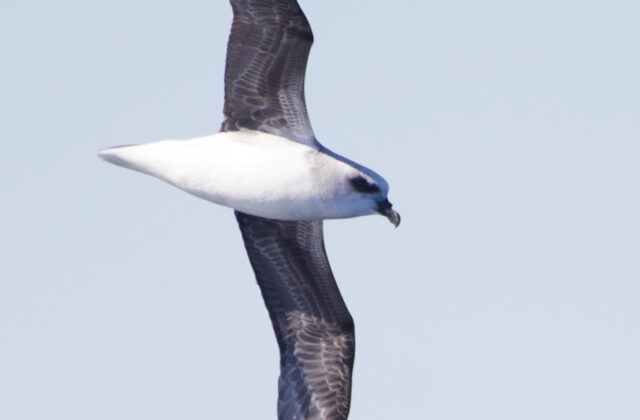 Least Concern
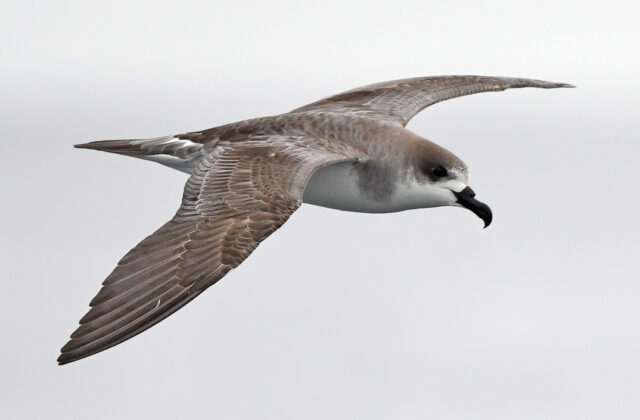 Vulnerable
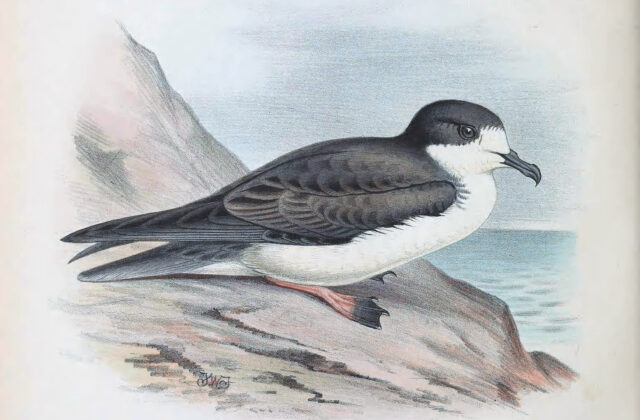 Endangered
Biology & behaviour
Diet
The Galapagos Petrel hunts aquatic prey such as fish and aquatic invertebrates.
Behaviour
A bird of open sea and coastal waters, it uses a wide range of foraging strategies.
Migration
The Galapagos Petrel is partially migratory: some populations move with the seasons while others stay resident year-round.
The Galapagos Petrel (Pterodroma phaeopygia) is a member of the Procellariidae family, within the order Procellariiformes. It is found across Oceans & Seabirds. Its distribution covers PO montane Isabela, Santiago, Santa Cruz, Floreana and San Cristobal (Galápagos).
It is a large bird. Adults weighs around 401 g, with a wing length of about 29.5 cm and a tail of around 13.3 cm.
It is classified as Critically Endangered on the IUCN Red List and is a focus of conservation concern. Critically Endangered is the highest risk category before extinction in the wild.
The species has a mapped global range of roughly 15.5 million km² — a very large global range.
Songs & calls
Frequently asked questions
How big is the Galapagos Petrel?
The Galapagos Petrel is a large bird that weighs around 401 g.
Where does the Galapagos Petrel live?
The Galapagos Petrel is found across Oceans & Seabirds with a range covering PO montane Isabela, Santiago, Santa Cruz, Floreana and San Cristobal (Galápagos), where it is associated with wetlands, lakes and other open water.
What family does the Galapagos Petrel belong to?
The Galapagos Petrel (Pterodroma phaeopygia) belongs to the Procellariidae family, in the order Procellariiformes.
What does the Galapagos Petrel eat?
The Galapagos Petrel hunts aquatic prey such as fish and aquatic invertebrates.
Does the Galapagos Petrel migrate?
The Galapagos Petrel is partially migratory: some populations move with the seasons while others stay resident year-round.
Is the Galapagos Petrel endangered?
It is classified as Critically Endangered on the IUCN Red List and is a focus of conservation concern Critically Endangered is the highest risk category before extinction in the wild.
What sound does the Galapagos Petrel make?
1 real field recording of the Galapagos Petrel — including its alarm call — can be played in the Songs & calls section on this page, credited to the recordist who captured it.
How large is the Galapagos Petrel's range?
The Galapagos Petrel has a mapped global range of about 15.5 million km².
Conservation
Every bird benefits from bird-safe windows, native plants, and keeping cats indoors. Small changes at home add up to real protection.
Explore more birds
More in Procellariidae
 Extinct
 Least Concern
 Near Threatened
 Least Concern
 Least Concern
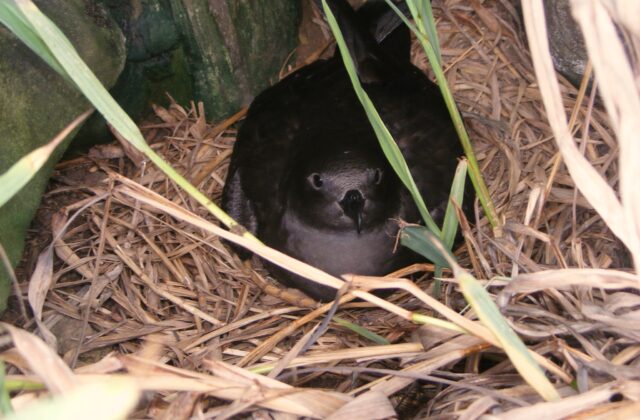 Endangered
More in Seabirds & Tubenoses
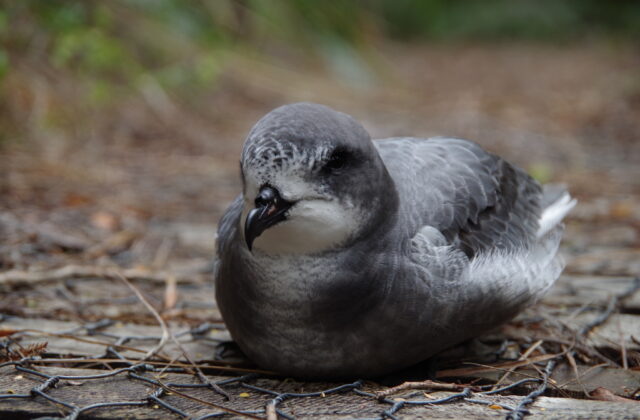 Vulnerable
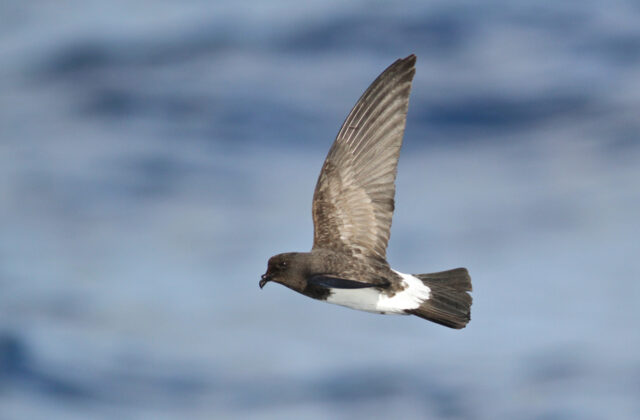 Least Concern
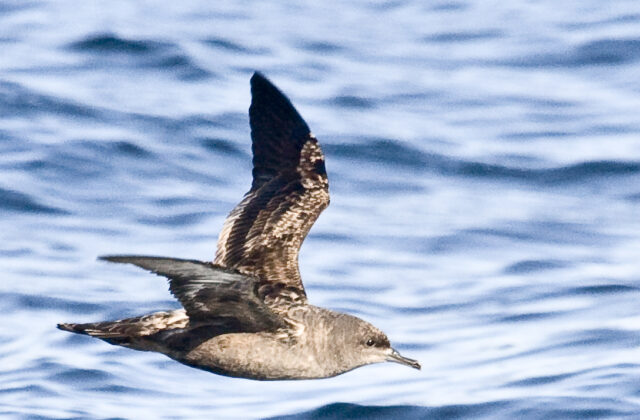 Near Threatened
 Least Concern
 Vulnerable
 Least Concern