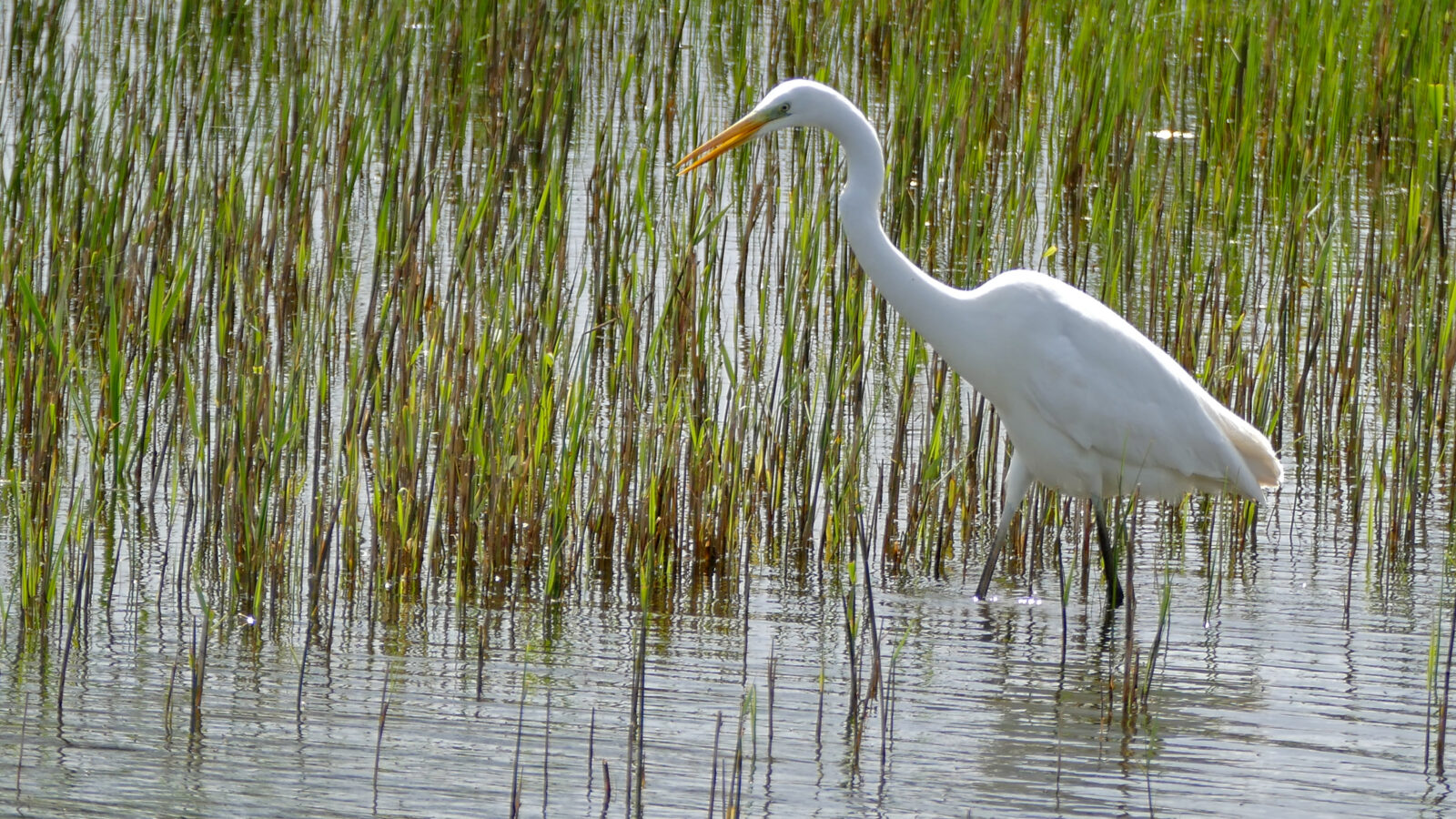
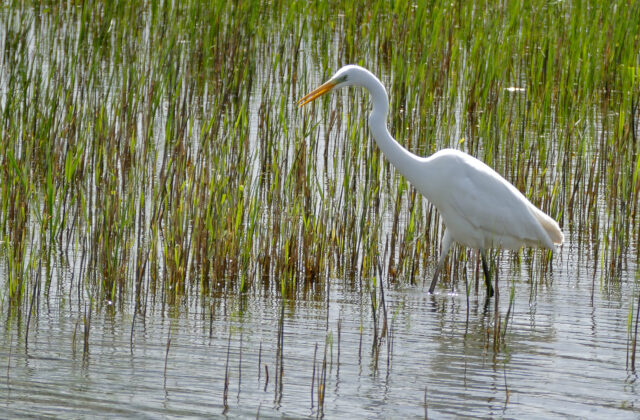
Photo: Bernard DUPONT from FRANCE / CC BY-SA 2.0 (Wikimedia Commons)
Great Egret
Ardea alba
Great Egret (Ardea alba) — Herons, Pelicans & Ibises of North America.
Found across 18 guides in our atlas — open any for the full checklist, photos and what's around right now.
The Great Egret (Ardea alba) is a member of the Ardeidae family found in Africa, Australia & Oceania and Europe & Northern Asia. Adults weigh 871 g. The IUCN Red List lists it as Least Concern.
Conservation status
IUCN Red List (opens in a new tab)Widespread and abundant — not currently at risk.
Where it fits
- Class Aves
- Order Pelecaniformes
- Family Ardeidae Herons, Bitterns
- Genus Ardea
- Species alba
Where it lives
Worldwide
Quick facts
- Weight
- 871 g
- Diet
- Aquatic hunters
- Family
- Ardeidae
- Order
- Pelecaniformes
- Habitat
- Wetland, lake & coast
How to identify
Male vs female
Sexes look alike; both are entirely white and differ only in average size (males slightly larger), not in plumage.
Juvenile appearance
Juveniles are completely white with a yellow bill, lacking the elongated ornamental scapular plumes of breeding adults.
Breeding vs non-breeding
In breeding plumage long ornamental scapular plumes (aigrettes) extend past the tail, the lores turn bright lime/neon green, and the bill darkens toward black (subspecies-dependent) while the legs of some subspecies brighten.
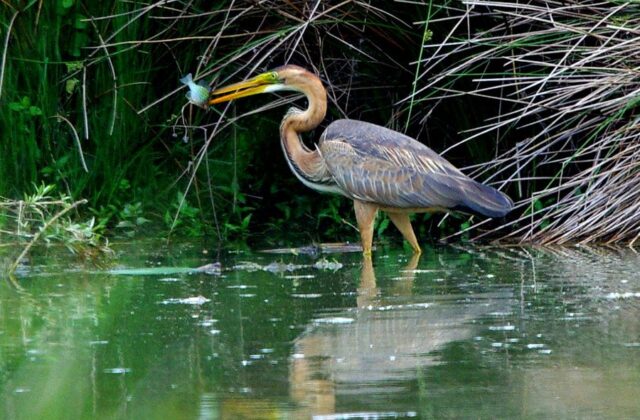
Similar birds
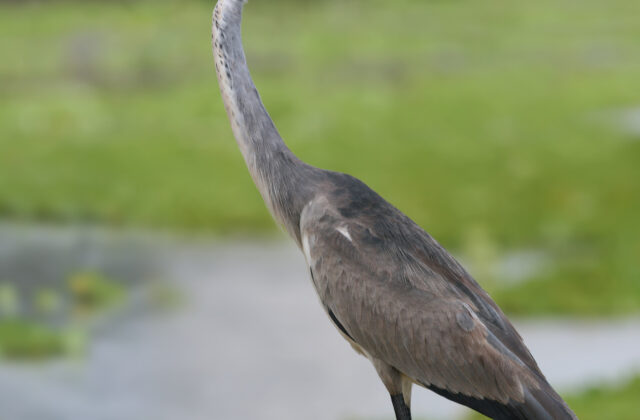 Least Concern
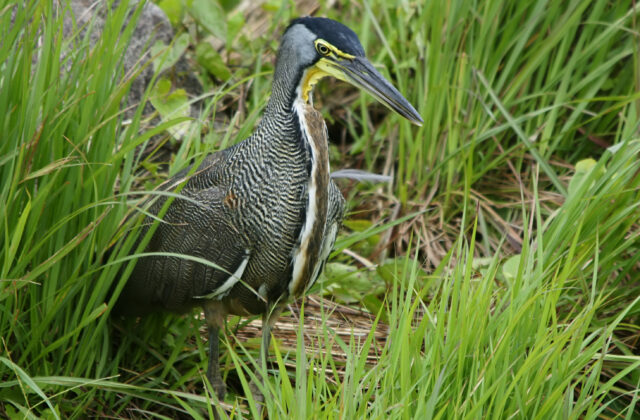 Least Concern
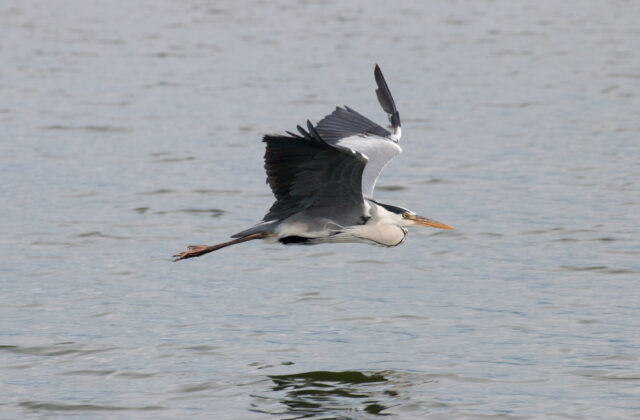 Least Concern
 Least Concern
Biology & behaviour
Diet
The Great Egret hunts aquatic prey such as fish and aquatic invertebrates.
Behaviour
A bird of wetlands, it forages mainly on the ground.
Migration
The Great Egret is partially migratory: some populations move with the seasons while others stay resident year-round.
The Great Egret (Ardea alba) is a member of the Ardeidae family, within the order Pelecaniformes. It occurs naturally across Africa, Australia & Oceania and Europe & Northern Asia. Its distribution covers NA, SA, AF, PAL, OR, AU worldwide.
It is a large bird. Adults weighs around 871 g, with a wing length of about 37.9 cm and a tail of around 14.1 cm.
The IUCN Red List currently assesses it as Least Concern. That category covers species that remain widespread and reasonably abundant in the wild.
Its mapped global range covers an estimated 74.9 million km² — a very large global range.
Songs & calls
Frequently asked questions
How big is the Great Egret?
The Great Egret is a large bird that weighs around 871 g.
Where does the Great Egret live?
The Great Egret is found across Africa, Australia & Oceania and Europe & Northern Asia with a range covering NA, SA, AF, PAL, OR, AU worldwide, where it is associated with wetlands, lakes and other open water.
What family does the Great Egret belong to?
The Great Egret (Ardea alba) belongs to the Ardeidae family, in the order Pelecaniformes.
What does the Great Egret eat?
The Great Egret hunts aquatic prey such as fish and aquatic invertebrates.
Does the Great Egret migrate?
The Great Egret is partially migratory: some populations move with the seasons while others stay resident year-round.
Is the Great Egret endangered?
The IUCN Red List currently assesses it as Least Concern That category covers species that remain widespread and reasonably abundant in the wild.
What sound does the Great Egret make?
1 real field recording of the Great Egret — including its alarm call — can be played in the Songs & calls section on this page, credited to the recordist who captured it.
How large is the Great Egret's range?
The Great Egret has a mapped global range of about 74.9 million km².
Conservation
Every bird benefits from bird-safe windows, native plants, and keeping cats indoors. Small changes at home add up to real protection.
Explore more birds
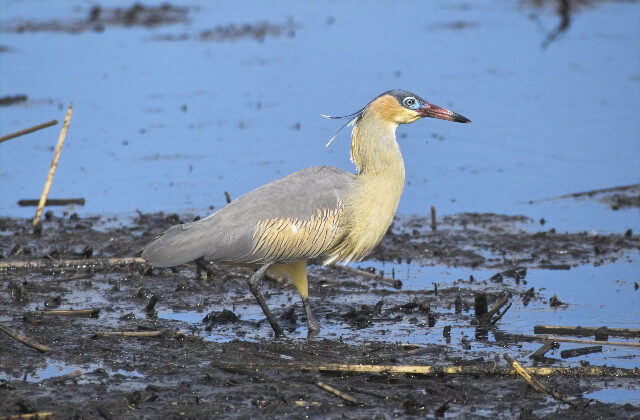
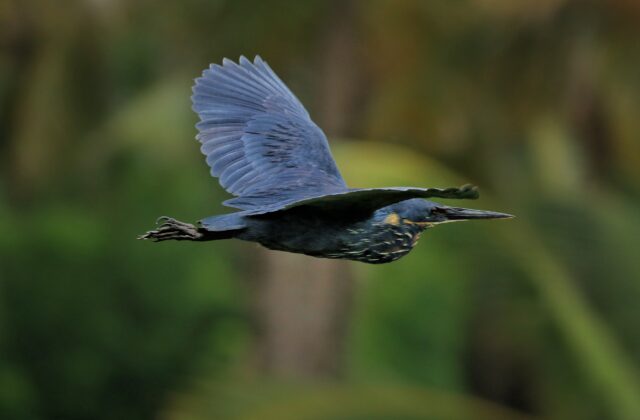
More in Ardeidae
 Least Concern
 Not Evaluated
More in Herons, Pelicans & Ibises
 Least Concern
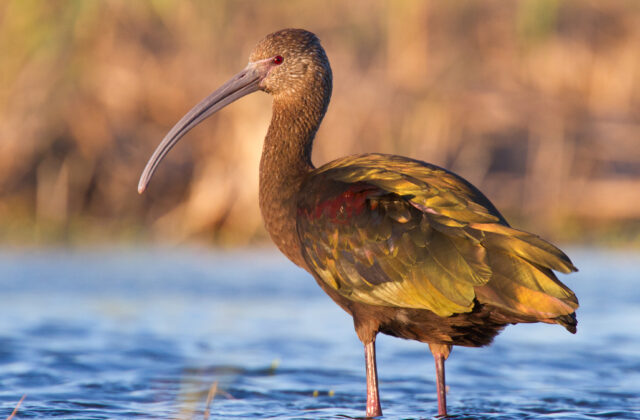 Least Concern
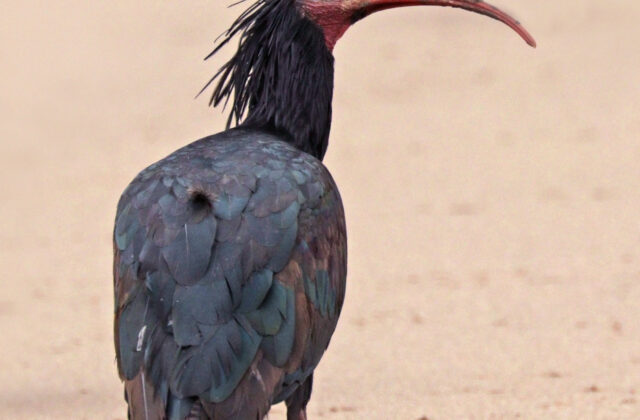 Endangered
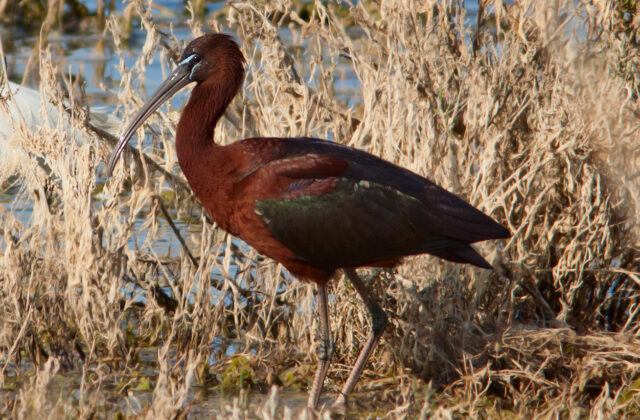 Least Concern
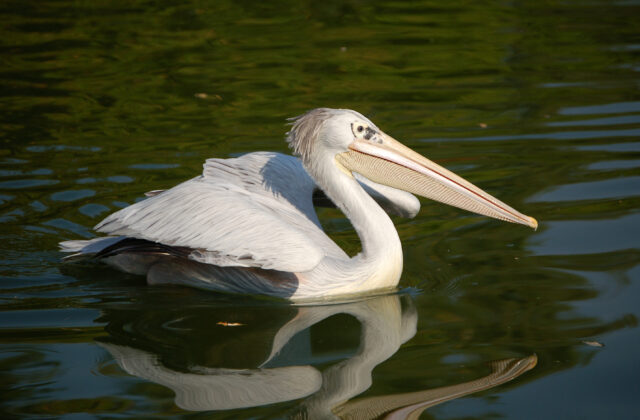 Least Concern
Guides for this bird
Great Egret vs Snowy Egret: How to Tell Them Apart
How to tell a Great Egret from a Snowy Egret — size, range, family and status compared side by side, with links to each bird’s full ID guide.