Striated Lorikeet
Synorhacma multistriata
Striated Lorikeet (Synorhacma multistriata) — Parrots & Cockatoos of Australia & Oceania.
The Striated Lorikeet (Synorhacma multistriata) is a member of the Psittaculidae family found in Australia & Oceania. Adults weigh 37 g.
Where it fits
- Class Aves
- Order Psittaciformes
- Family Psittaculidae Old World Parrots
- Genus Synorhacma
- Species multistriata
Where it lives
Southern slopes of montane west-central to east-central New Guinea
Quick facts
- Weight
- 37 g
- Diet
- Omnivores
- Family
- Psittaculidae
- Order
- Psittaciformes
- Habitat
- Woodland
How to identify
Similar birds
Biology & behaviour
Diet
The Striated Lorikeet is a omnivore — it takes a broad, omnivorous diet of both plant and animal foods.
Behaviour
A bird of dense forest, it spends much of its time perched in trees and shrubs.
Migration
The Striated Lorikeet is largely sedentary, staying within its range year-round rather than making regular long-distance migrations.
The Striated Lorikeet (Synorhacma multistriata) is a member of the Psittaculidae family, within the order Psittaciformes. It occurs naturally across Australia & Oceania. Its distribution covers AU s slopes of montane wc to ec New Guinea.
It is a small bird. Adults weighs around 37 g, with a wing length of about 9.6 cm and a tail of around 7.4 cm.
Frequently asked questions
How big is the Striated Lorikeet?
The Striated Lorikeet is a small bird that weighs around 37 g.
Where does the Striated Lorikeet live?
The Striated Lorikeet is found across Australia & Oceania with a range covering AU s slopes of montane wc to ec New Guinea, where it favours woodland, forest and well-treed country.
What family does the Striated Lorikeet belong to?
The Striated Lorikeet (Synorhacma multistriata) belongs to the Psittaculidae family, in the order Psittaciformes.
What does the Striated Lorikeet eat?
The Striated Lorikeet is a omnivore — it takes a broad, omnivorous diet of both plant and animal foods.
Does the Striated Lorikeet migrate?
The Striated Lorikeet is largely sedentary, staying within its range year-round rather than making regular long-distance migrations.
Conservation
Every bird benefits from bird-safe windows, native plants, and keeping cats indoors. Small changes at home add up to real protection.
Explore more birds
More in Psittaculidae
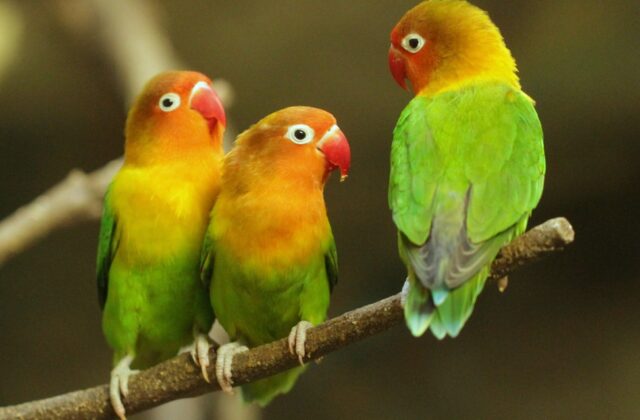 Near Threatened
 Least Concern
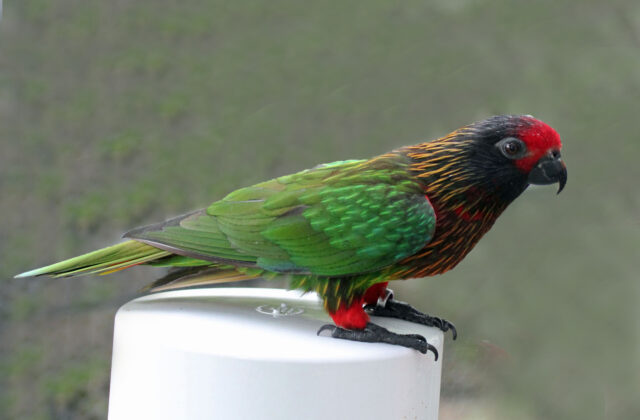 Least Concern
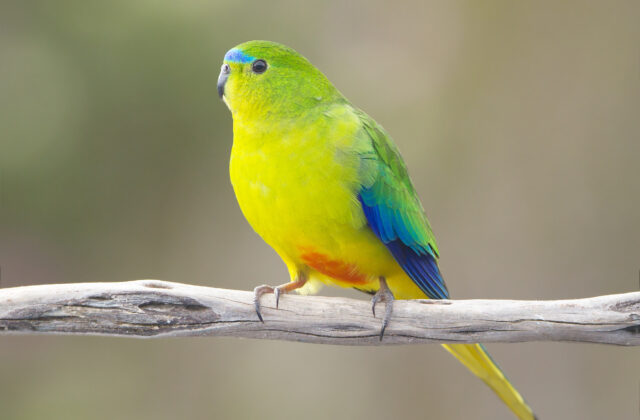 Critically Endangered
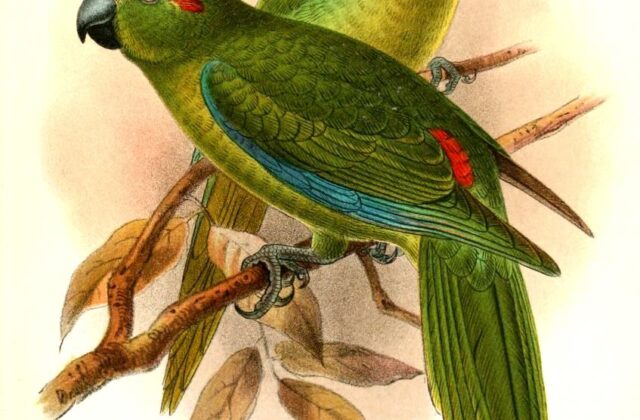 Extinct
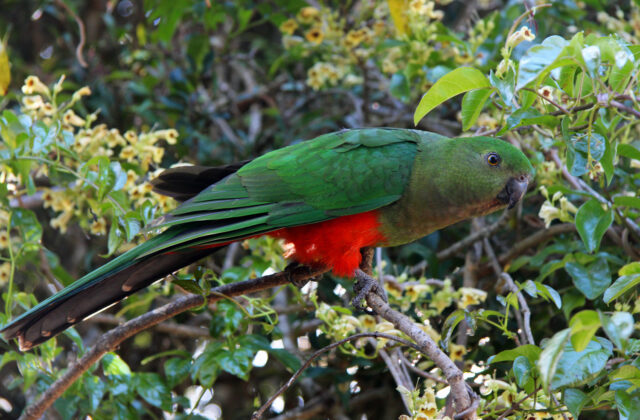 Least Concern
More in Parrots
Critically Endangered
 Vulnerable
 Critically Endangered
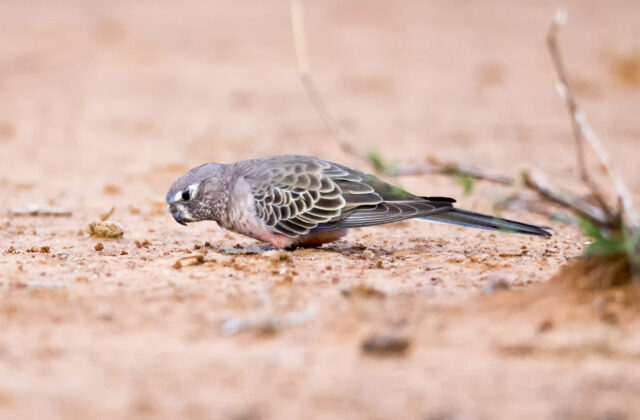 Least Concern
 Least Concern
 Least Concern
Guides for this bird
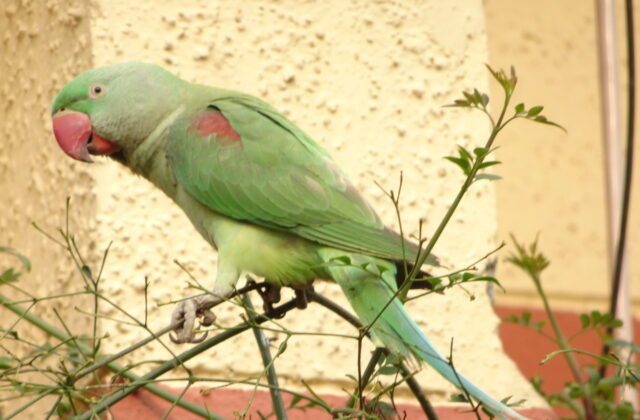
Meet the Psittaculidae
A field guide to the Psittaculidae family — 202 species in the Birbs encyclopedia, with the best-known members to start with.