How to Attract Black-capped Chickadee to Your Yard
The honest, data-backed way to attract Black-capped Chickadee to your yard — the feeders and food they actually use (black-oil sunflower), nesting help, and habitat that brings them in.
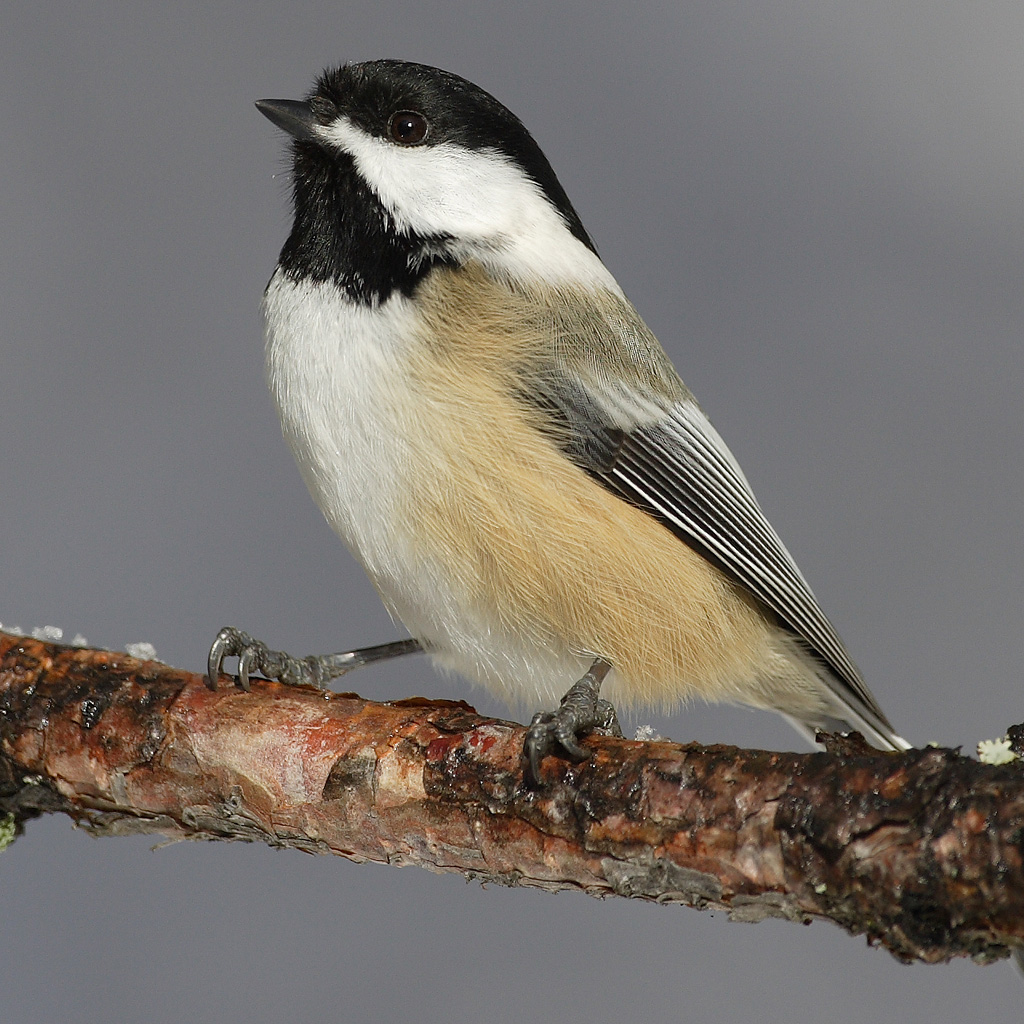
Want to bring Black-capped Chickadee (Poecile atricapillus) to your yard? Here is the honest, data-backed version — the feeders and food they actually use, whether they will take a nest box, and the habitat that keeps them coming back. Every recommendation is drawn from real bird-science sources (the Cornell Lab, Audubon and their peers), not guesswork.
The best feeders for Black-capped Chickadee
One of the easiest birds to attract; takes a sunflower seed one at a time and flies off to cache it in bark crevices, so a small perch or any hulled/black-oil sunflower feeder works. Accepts tube, hopper, platform and suet feeders; also takes peanuts and mealworms.
Feeder styles that work for this bird:
- tube feeder
- hopper feeder
- platform / tray feeder
- suet feeder
- peanut feeder
Seed feeders
Our take
If you only buy one thing, get a tube or hopper feeder and fill it with sunflower hearts — it suits the widest range of garden songbirds.
Shop by what matters to you
- Tube feederFinches, tits and other small, agile birds (searches Amazon in a new tab)
- Hopper or “house” feederA wide mix of garden species (searches Amazon in a new tab)
- Platform or tray feederGround-feeders like doves, sparrows and juncos (searches Amazon in a new tab)
- See all seed feederBrowse the full range and compare current prices (searches Amazon in a new tab)
What to feed Black-capped Chickadee
The foods this species takes most readily:
- black-oil sunflower
- sunflower hearts
- peanuts
- suet
- mealworms
Seed & feed
Will Black-capped Chickadee use a nest box?
Yes — Black-capped Chickadee is a cavity nester that will take a correctly-sized nest box. Use these NestWatch dimensions (the entrance-hole size is what keeps larger competitors out):
| Entrance hole | 1 1/8 inches |
|---|---|
| Floor (inside) | 5 1/2 x 5 1/2 |
| Box height | 8 inches |
| Mounting height | 5-15 feet |
Give the box a rough or grooved interior below the hole so chicks can climb out, ventilation and drainage holes, and no outside perch (perches only help predators and competitors).
How to attract Black-capped Chickadee to your yard
Favors mixed and deciduous woods and forest edge, especially where birches or alders grow; adapts to suburbs if nest sites are available. Leave dead snags for natural cavities, or mount a box with 1 inch of wood shavings in the floor (they excavate). A brushy/wooded yard and a water source help.
See it near you
For the full profile — photos, sounds, range and ID — see the Black-capped Chickadee species page. To find where it is being reported right now, use Birds Near You.
Frequently asked questions
What is the best feeder for Black-capped Chickadee?
One of the easiest birds to attract; takes a sunflower seed one at a time and flies off to cache it in bark crevices, so a small perch or any hulled/black-oil sunflower feeder works. Accepts tube, hopper, platform and suet feeders; also takes peanuts and mealworms.
What do you feed Black-capped Chickadee?
Black-capped Chickadee readily takes black-oil sunflower, sunflower hearts, peanuts, suet and mealworms.
Will Black-capped Chickadee use a nest box?
Yes. Black-capped Chickadee is a cavity nester that will use a box with a 1 1/8 inch entrance hole (see the dimensions on this page).