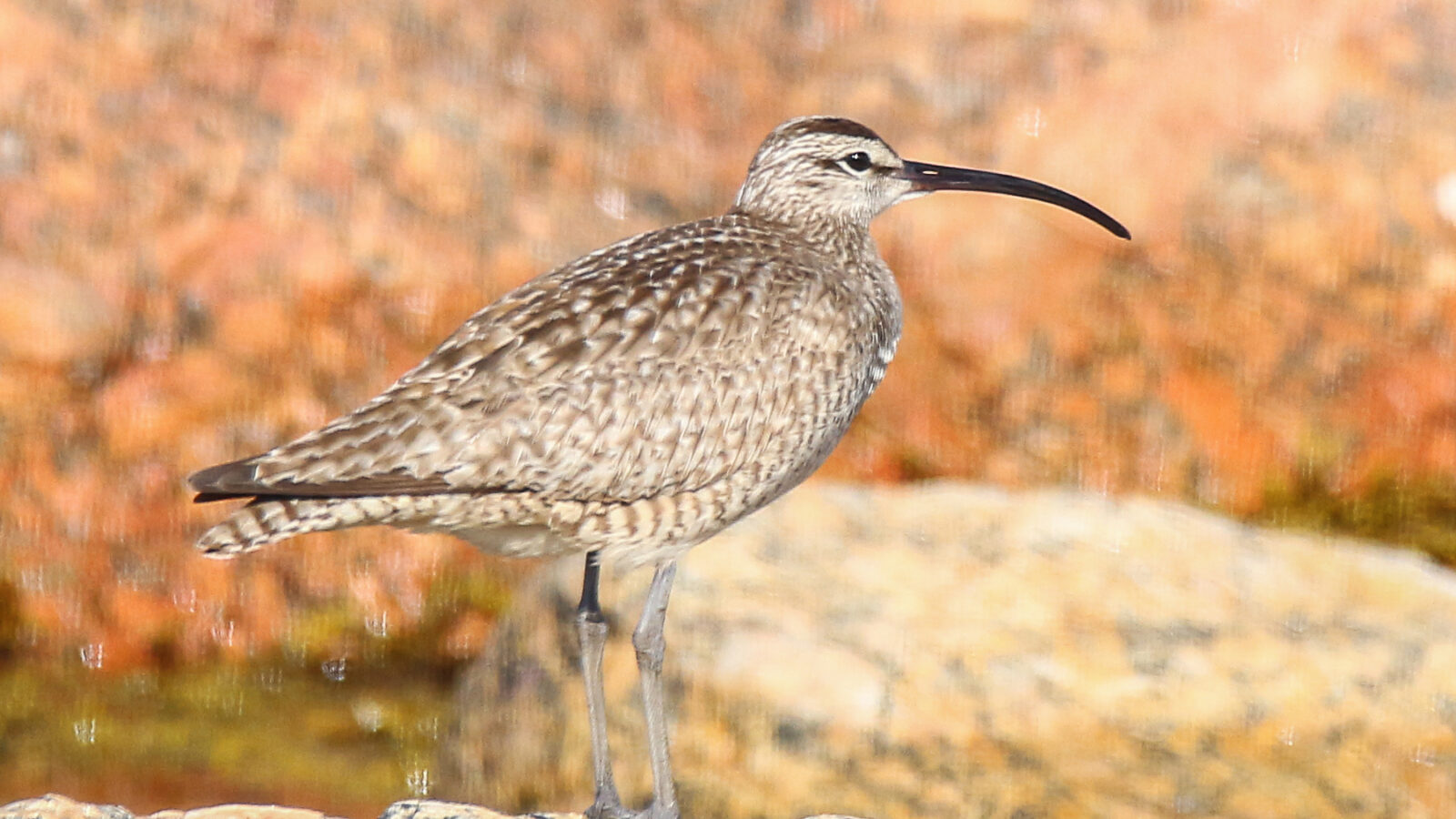
Photo: Silver Leapers from remote NE Coastline, Newfoundland, Canada / CC BY 2.0 (Wikimedia Commons)
Hudsonian Whimbrel
Numenius hudsonicus
Hudsonian Whimbrel (Numenius hudsonicus) — Shorebirds, Gulls & Auks of North America.
Found across 20 guides in our atlas — open any for the full checklist, photos and what's around right now.
The Hudsonian Whimbrel (Numenius hudsonicus) is a member of the Scolopacidae family found in North America.
Where it fits
- Class Aves
- Order Charadriiformes
- Family Scolopacidae Sandpipers, Snipes
- Genus Numenius
- Species hudsonicus
Where it lives
Low Arctic coastal and inland tundra of Alaska and Canada: western, northern, central Alaska, far western, northwestern Canada and southwestern shore of Hudson Bay
Quick facts
- Family
- Scolopacidae
- Order
- Charadriiformes
Biology & behaviour
The Hudsonian Whimbrel (Numenius hudsonicus) belongs to the Scolopacidae family of the order Charadriiformes. Its range spans North America. Its distribution covers NA low Arctic coastal and inland tundra of Alaska and Canada: w, n, c Alaska, far w, nw Canada and sw shore of Hudson Bay.
Songs & calls
Frequently asked questions
Where does the Hudsonian Whimbrel live?
The Hudsonian Whimbrel is found across North America with a range covering NA low Arctic coastal and inland tundra of Alaska and Canada: w, n, c Alaska, far w, nw Canada and sw shore of Hudson Bay.
What family does the Hudsonian Whimbrel belong to?
The Hudsonian Whimbrel (Numenius hudsonicus) belongs to the Scolopacidae family, in the order Charadriiformes.
What sound does the Hudsonian Whimbrel make?
1 real field recording of the Hudsonian Whimbrel — including its call — can be played in the Songs & calls section on this page, credited to the recordist who captured it.
Conservation
Every bird benefits from bird-safe windows, native plants, and keeping cats indoors. Small changes at home add up to real protection.
Explore more birds
More in Scolopacidae
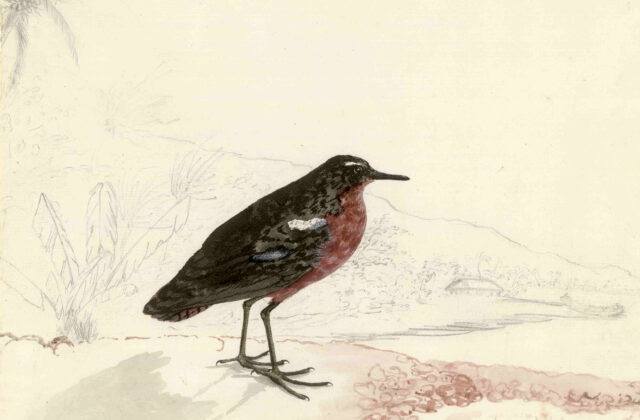 Extinct
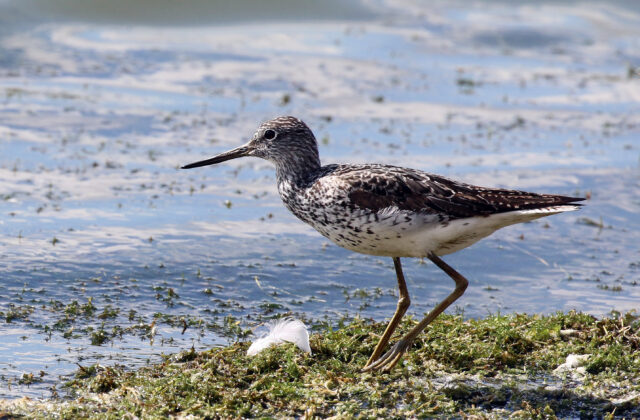 Least Concern
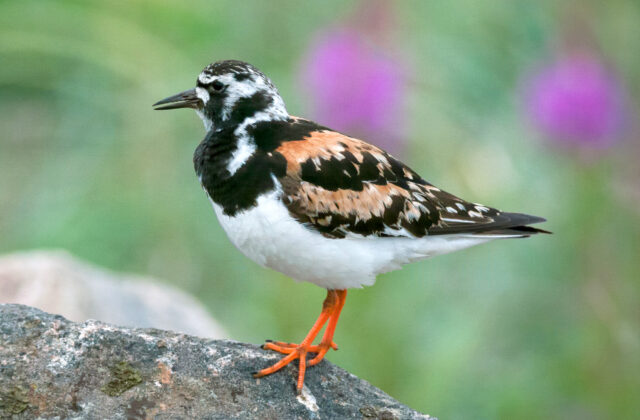 Near Threatened
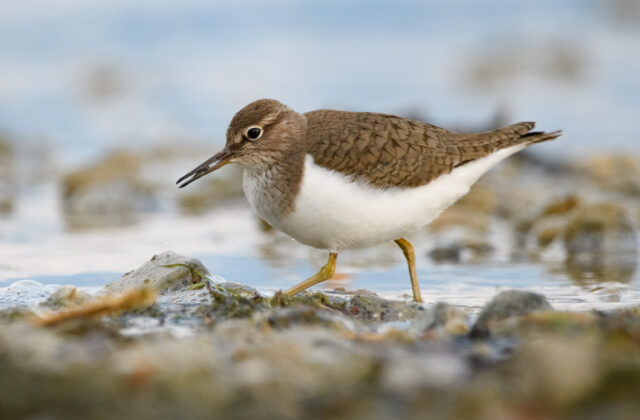 Least Concern
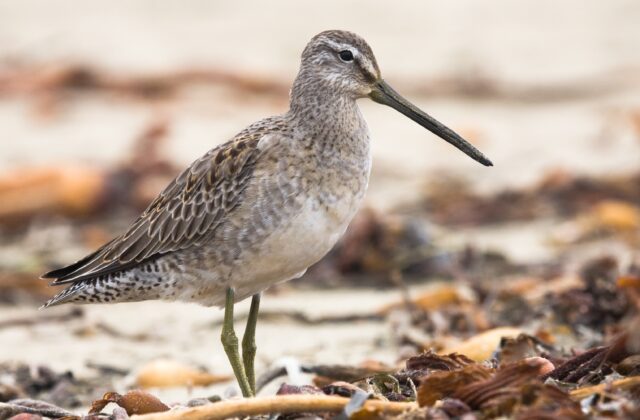 Near Threatened
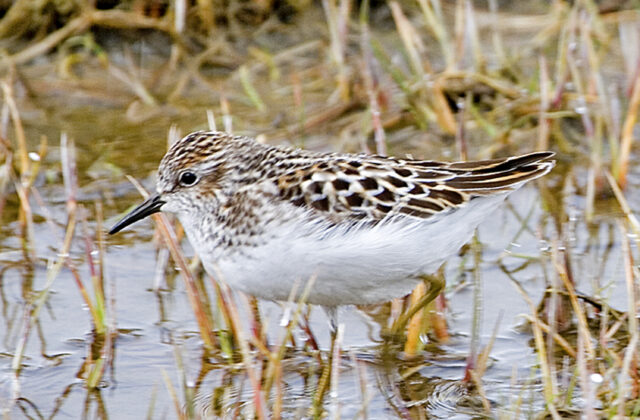 Near Threatened
More in Shorebirds
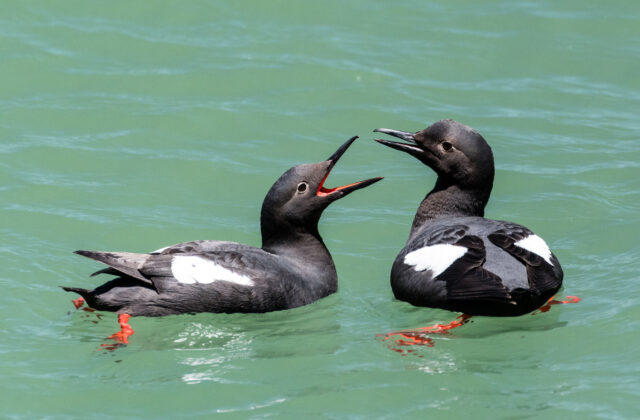 Least Concern
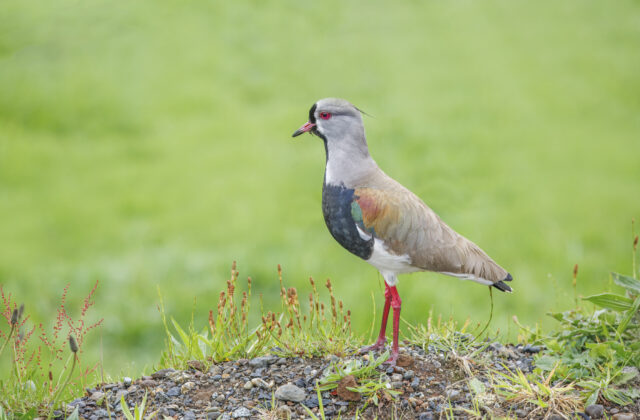 Least Concern
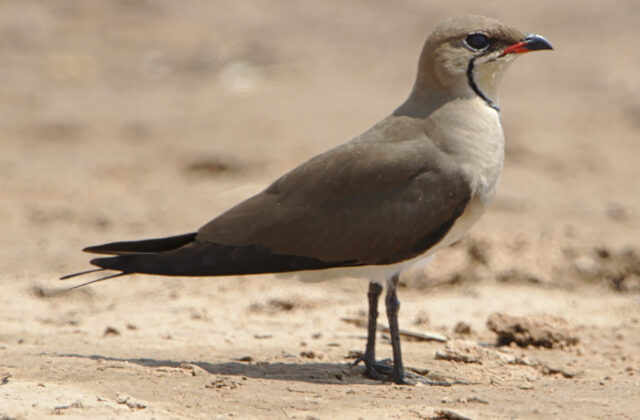 Near Threatened
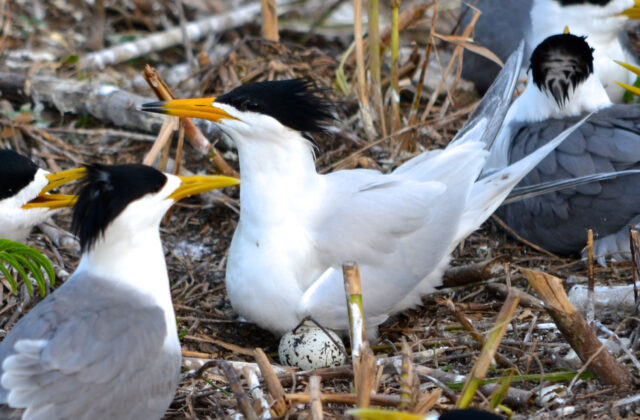 Critically Endangered
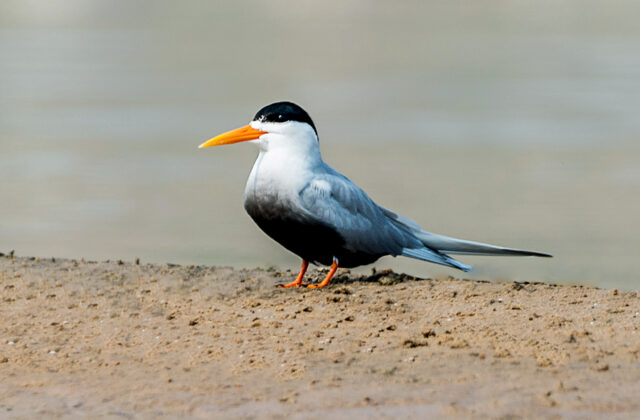 Endangered