Sandpipers & Allies of the United States
66 sandpipers and allies recorded in the United States on the eBird network and profiled in the Birbs encyclopedia — the full list, with photos, sounds and ID notes, plus what's near you now.
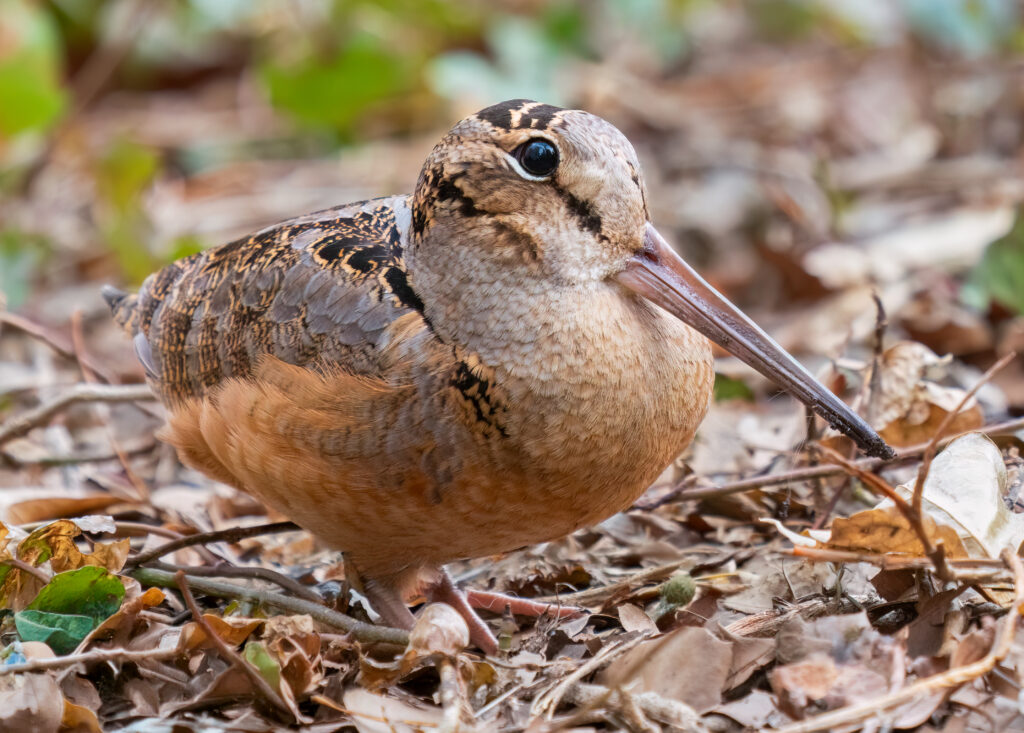
66 sandpipers and allies have been recorded in the United States on eBird, the global citizen-science database run by the Cornell Lab of Ornithology, and carry a full profile in the Birbs encyclopedia. Every bird below is a member of this group — the family Scolopacidae. Start with the well-known species, browse the complete list, then check which are being reported near you right now.
See birds reported near you → Get rare-bird alerts
Sandpipers & Allies of the United States to know first
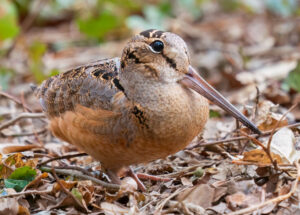 American WoodcockScolopax minor
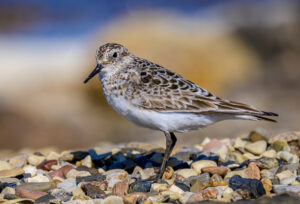 Baird’s SandpiperCalidris bairdii
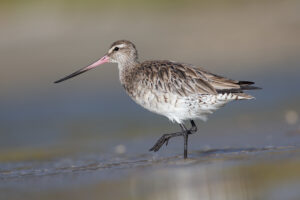 Bar-tailed GodwitLimosa lapponica
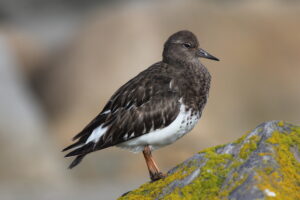 Black TurnstoneArenaria melanocephala
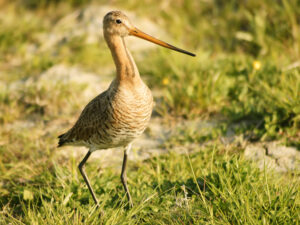 Black-tailed GodwitLimosa limosa
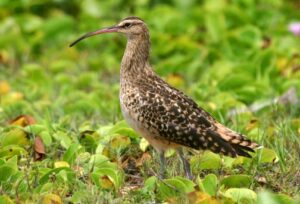 Bristle-thighed CurlewNumenius tahitiensis
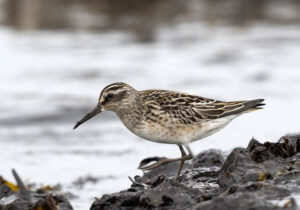 Broad-billed SandpiperCalidris falcinellus
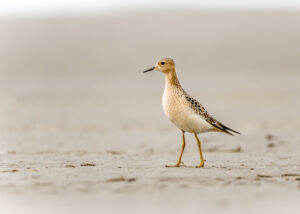 Buff-breasted SandpiperCalidris subruficollis
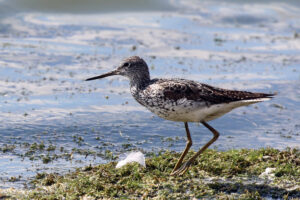 Common GreenshankTringa nebularia
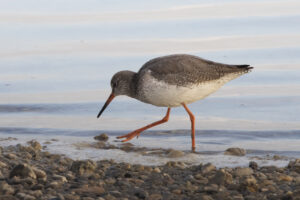 Common RedshankTringa totanus
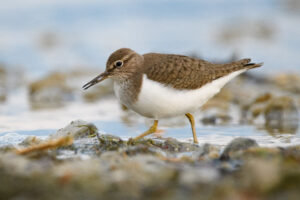 Common SandpiperActitis hypoleucos
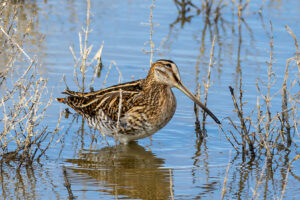 Common SnipeGallinago gallinago
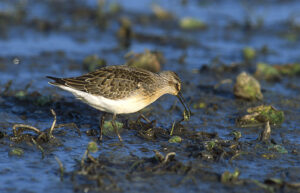 Curlew SandpiperCalidris ferruginea
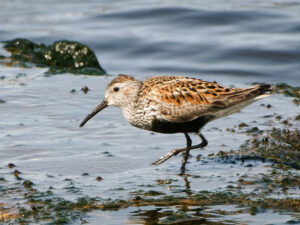 DunlinCalidris alpina
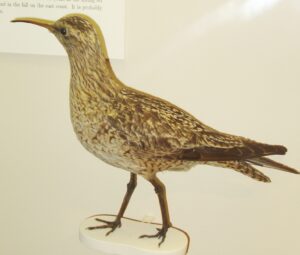 Eskimo CurlewNumenius borealis
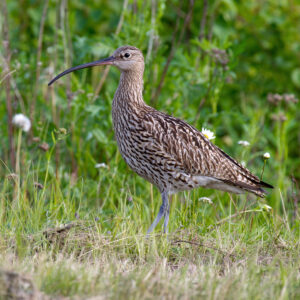 Eurasian CurlewNumenius arquata
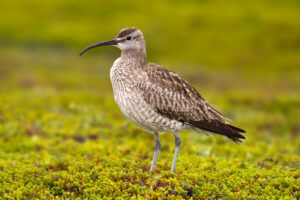 Eurasian WhimbrelNumenius phaeopus
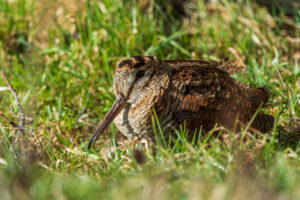 Eurasian WoodcockScolopax rusticola
The full list — 66 sandpipers and allies of the United States in our library
- American Woodcock
- Baird’s Sandpiper
- Bar-tailed Godwit
- Black Turnstone
- Black-tailed Godwit
- Bristle-thighed Curlew
- Broad-billed Sandpiper
- Buff-breasted Sandpiper
- Common Greenshank
- Common Redshank
- Common Sandpiper
- Common Snipe
- Curlew Sandpiper
- Dunlin
- Eskimo Curlew
- Eurasian Curlew
- Eurasian Whimbrel
- Eurasian Woodcock
- Far Eastern Curlew
- Great Knot
- Greater Yellowlegs
- Green Sandpiper
- Grey-tailed Tattler
- Hudsonian Godwit
- Hudsonian Whimbrel
- Jack Snipe
- Least Sandpiper
- Lesser Yellowlegs
- Little Curlew
- Little Stint
- Long-billed Curlew
- Long-billed Dowitcher
- Long-toed Stint
- Marbled Godwit
- Marsh Sandpiper
- Pectoral Sandpiper
- Pin-tailed Snipe
- Purple Sandpiper
- Red Knot
- Red Phalarope
- Red-necked Phalarope
- Red-necked Stint
- Rock Sandpiper
- Ruddy Turnstone
- Ruff
- Sanderling
- Semipalmated Sandpiper
- Sharp-tailed Sandpiper
- Short-billed Dowitcher
- Solitary Sandpiper
- Solitary Snipe
- Spoon-billed Sandpiper
- Spotted Redshank
- Spotted Sandpiper
- Stilt Sandpiper
- Surfbird
- Temminck’s Stint
- Terek Sandpiper
- Upland Sandpiper
- Wandering Tattler
- Western Sandpiper
- White-rumped Sandpiper
- Willet
- Wilson’s Phalarope
- Wilson’s Snipe
- Wood Sandpiper
Keep exploring
- Birds of the United States
- Ducks, Geese & Swans of the United States (102 species)
- Parrots, Cockatoos & Allies of the United States (88 species)
- Gulls, Terns & Skimmers of the United States (61 species)
- True Finches of the United States (60 species)
- New World Warblers of the United States (57 species)
- Tyrant Flycatchers of the United States (47 species)
- New World Sparrows of the United States (46 species)
- Petrels & Shearwaters of the United States (43 species)
- Hawks, Eagles & Kites of the United States (42 species)
- Pheasants, Grouse & Allies of the United States (36 species)
- Crows, Jays & Magpies of the United States (33 species)
- Waxbills & Munias of the United States (32 species)
- New World Blackbirds & Orioles of the United States (31 species)
- Thrushes of the United States (31 species)
- Pigeons & Doves of the United States (28 species)
- Woodpeckers of the United States (25 species)
- Hummingbirds of the United States (24 species)
- Owls of the United States (24 species)
- Tanagers & Allies of the United States (23 species)
- Auks, Murres & Puffins of the United States (22 species)
- Herons, Egrets & Bitterns of the United States (22 species)
- Old World Flycatchers & Chats of the United States (21 species)
- Rails, Crakes & Coots of the United States (21 species)
- Cardinals & Grosbeaks of the United States (19 species)
- Plovers of the United States (19 species)
- Vireos of the United States (18 species)
Sandpipers & Allies in other regions
- Sandpipers & Allies of Canada (59 species)
- Sandpipers & Allies of Japan (56 species)
- Sandpipers & Allies of the United Kingdom (54 species)
- Sandpipers & Allies of Portugal (51 species)
- Sandpipers & Allies of France (48 species)
- Sandpipers & Allies of Ireland (48 species)
- Sandpipers & Allies of Spain (48 species)
- Sandpipers & Allies of Australia (47 species)
- Sandpipers & Allies of the Netherlands (46 species)
- Sandpipers & Allies of Indonesia (45 species)
- Sandpipers & Allies of India (42 species)
- Sandpipers & Allies of New Zealand (42 species)
Species and counts come from the eBird network; "recorded" means reported by birders to eBird. Family grouping follows the IOC World Bird List. Tap any bird for its full profile.
Frequently asked questions
How many sandpipers and allies are found in the United States?
66 sandpipers and allies that we profile appear on the United States's eBird-reported checklist. The full A–Z list is on this page; the real total can shift as eBird records are added.
Are all of these sandpipers and allies really found there?
Yes — each one is on the United States's eBird checklist (reported by birders to the Cornell Lab's eBird), and each of these sandpipers and allies belongs to the family group named on this page. We don't rank them by abundance, because that varies by season and locale.
Where can I see sandpipers and allies in the United States right now?
Use Birds Near You for live, location-based reports, or turn on rare-bird alerts to hear when a notable one shows up close to you.