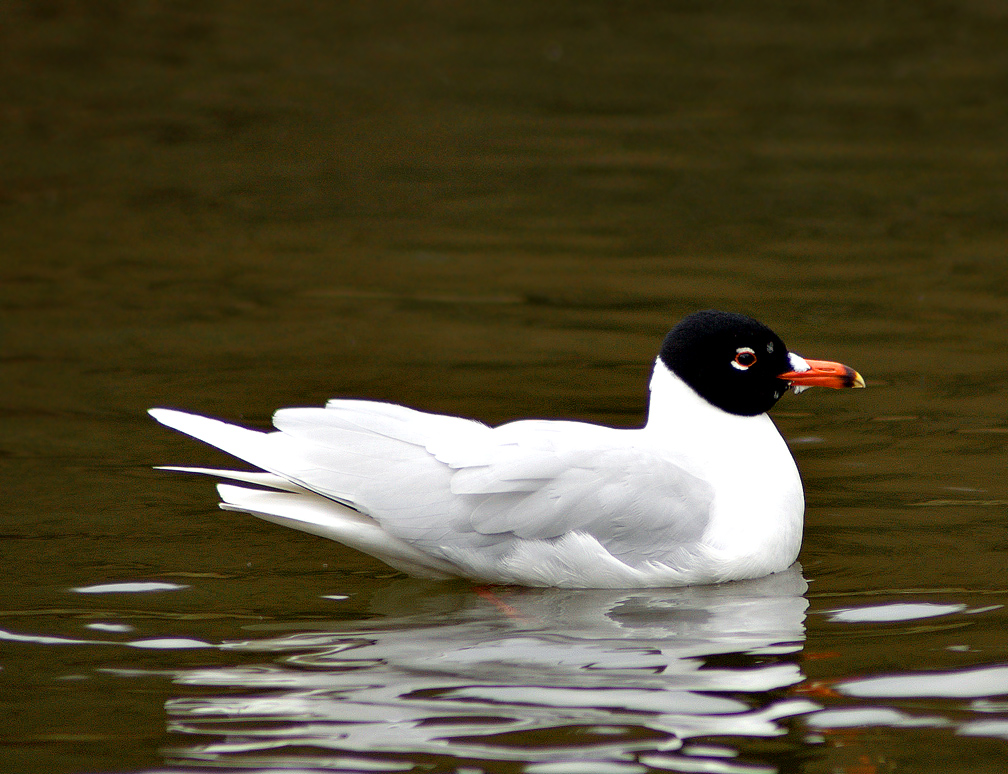
Mediterranean Gull
Ichthyaetus melanocephalus
Mediterranean Gull (Ichthyaetus melanocephalus) — Shorebirds, Gulls & Auks of Europe & Northern Asia.
Found across 11 guides in our atlas — open any for the full checklist, photos and what's around right now.
The Mediterranean Gull (Ichthyaetus melanocephalus) is a member of the Laridae family found in Europe & Northern Asia. Adults weigh 256 g.
Where it fits
- Class Aves
- Order Charadriiformes
- Family Laridae Gulls, Terns, Skimmers
- Genus Ichthyaetus
- Species melanocephalus
Where it lives
Inland southern Britain and eastern Spain to southwestern Russia, Ukraine and Azerbaijan
Quick facts
- Weight
- 256 g
- Diet
- Omnivores
- Family
- Laridae
- Order
- Charadriiformes
- Habitat
- Wetland, lake & coast
How to identify
Similar birds
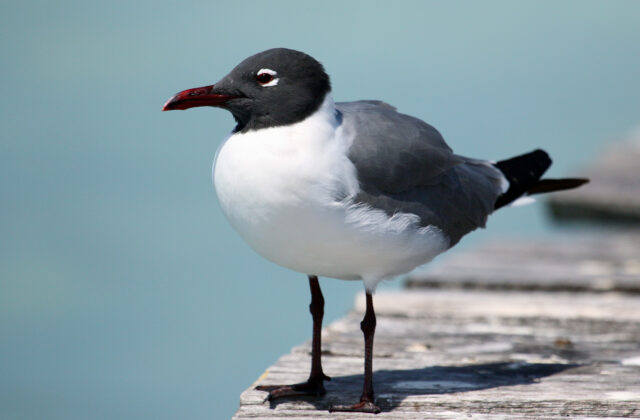 Not Evaluated
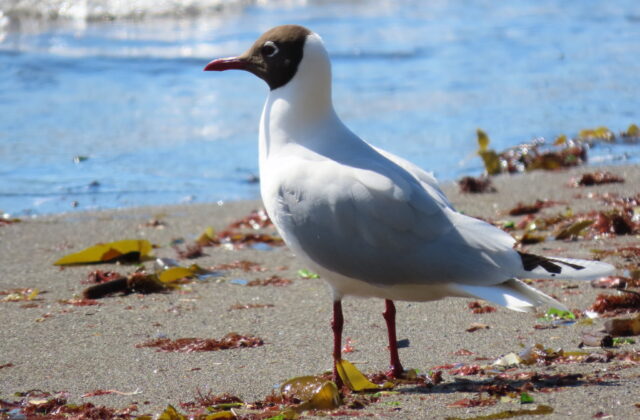 Not Evaluated
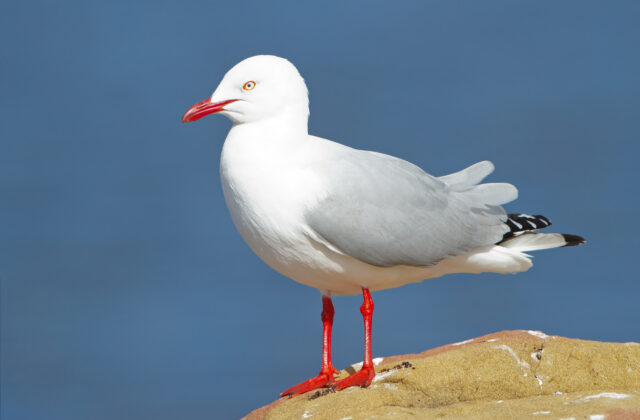 Least Concern
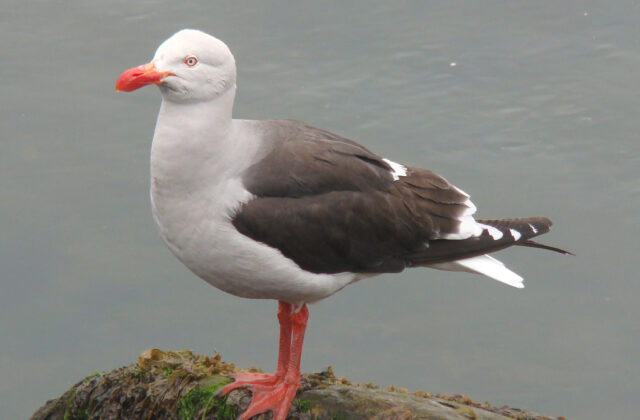 Least Concern
Biology & behaviour
Diet
The Mediterranean Gull is a omnivore — it takes a broad, omnivorous diet of both plant and animal foods.
Behaviour
A bird of coastal habitats, it uses a wide range of foraging strategies.
Migration
The Mediterranean Gull is partially migratory: some populations move with the seasons while others stay resident year-round.
The Mediterranean Gull (Ichthyaetus melanocephalus) belongs to the Laridae family of the order Charadriiformes. Its range spans Europe & Northern Asia. Its distribution covers PAL inland s Britain and e Spain to sw Russia, Ukraine and Azerbaijan.
It is a large bird. Adults weighs around 256 g, with a wing length of about 30.2 cm and a tail of around 11.3 cm.
Songs & calls
Frequently asked questions
How big is the Mediterranean Gull?
The Mediterranean Gull is a large bird that weighs around 256 g.
Where does the Mediterranean Gull live?
The Mediterranean Gull is found across Europe & Northern Asia with a range covering PAL inland s Britain and e Spain to sw Russia, Ukraine and Azerbaijan, where it is associated with wetlands, lakes and other open water.
What family does the Mediterranean Gull belong to?
The Mediterranean Gull (Ichthyaetus melanocephalus) belongs to the Laridae family, in the order Charadriiformes.
What does the Mediterranean Gull eat?
The Mediterranean Gull is a omnivore — it takes a broad, omnivorous diet of both plant and animal foods.
Does the Mediterranean Gull migrate?
The Mediterranean Gull is partially migratory: some populations move with the seasons while others stay resident year-round.
What sound does the Mediterranean Gull make?
1 real field recording of the Mediterranean Gull — including its call — can be played in the Songs & calls section on this page, credited to the recordist who captured it.
Conservation
Every bird benefits from bird-safe windows, native plants, and keeping cats indoors. Small changes at home add up to real protection.
Explore more birds
More in Laridae
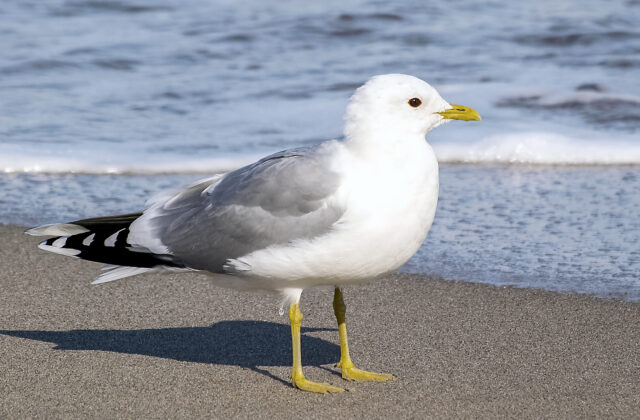 Least Concern
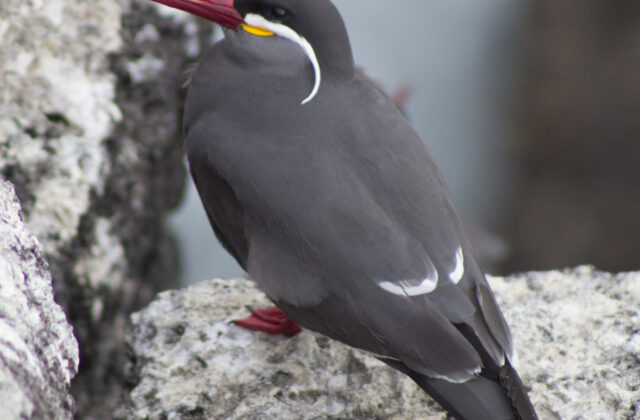 Near Threatened
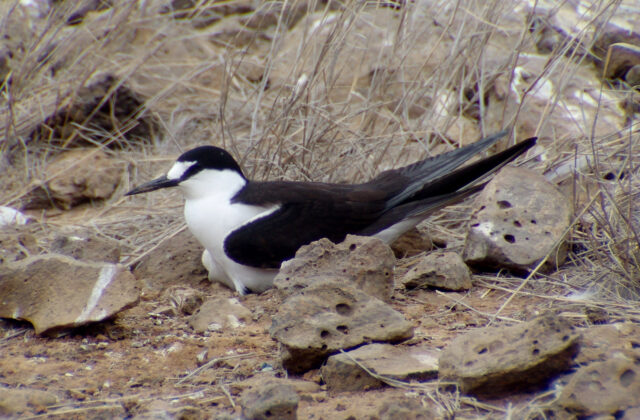 Least Concern
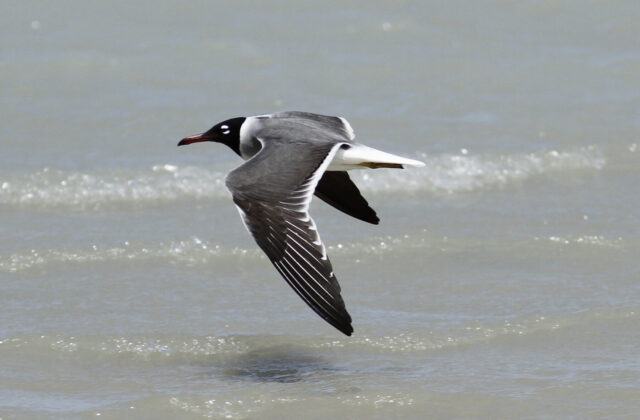 Not Evaluated
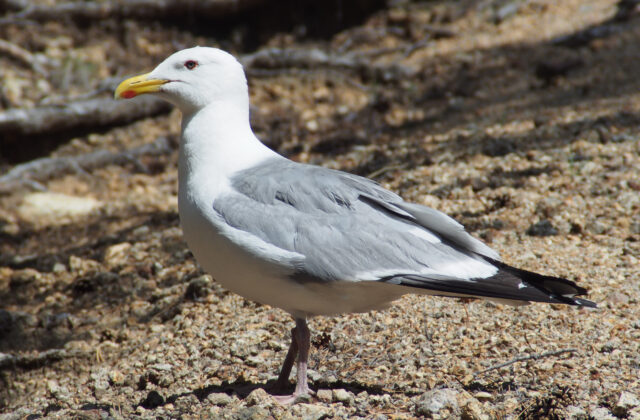 Not Evaluated
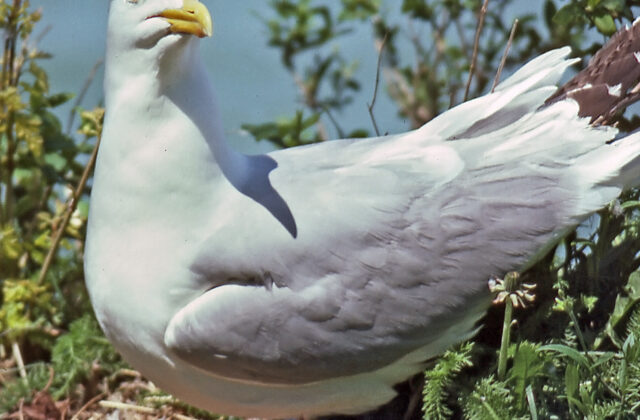 Least Concern
More in Shorebirds
Not Evaluated
 Least Concern
 Least Concern
 Least Concern
 Least Concern
 Least Concern