Birds of Cambridgeshire
360 bird species have been recorded in Cambridgeshire on the eBird network — explore the 360 in the Birbs encyclopedia, and see which are being reported near you right now.
360 bird species have been recorded in Cambridgeshire on eBird, the global citizen-science database run by the Cornell Lab of Ornithology. 360 of them have a full profile in the Birbs encyclopedia — start with the well-known birds below, browse the complete list, then check which are being reported near you right now.
See birds reported near you → Get rare-bird alerts
Birds to know first
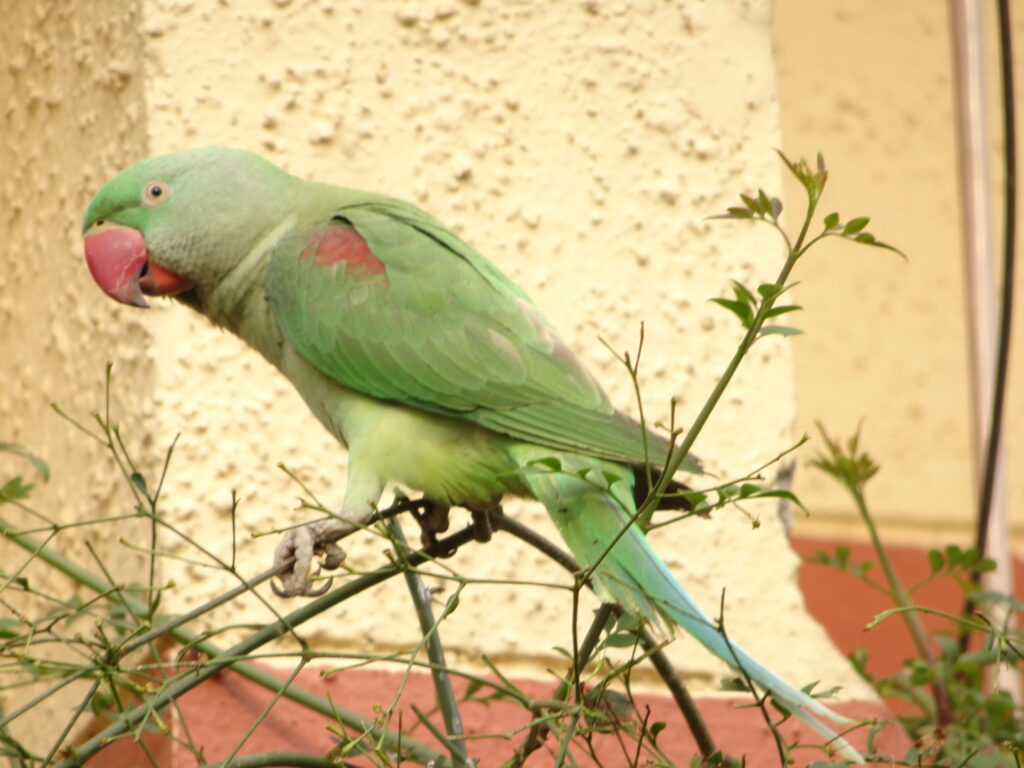
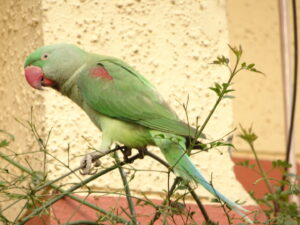 Alexandrine ParakeetPsittacula eupatria
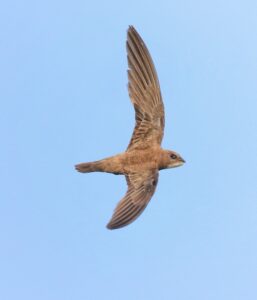 Alpine SwiftTachymarptis melba
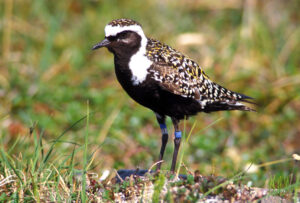 American Golden PloverPluvialis dominica
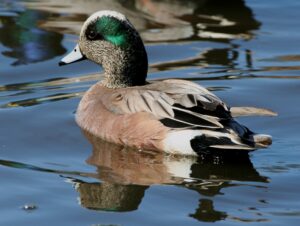 American WigeonMareca americana
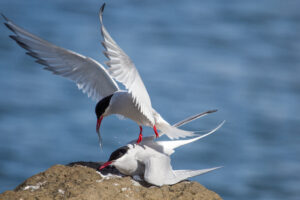 Arctic TernSterna paradisaea
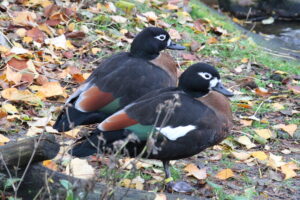 Australian ShelduckTadorna tadornoides
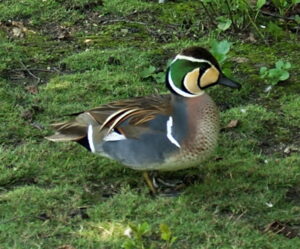 Baikal TealSibirionetta formosa
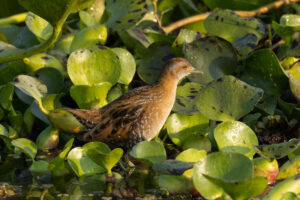 Baillon’s CrakeZapornia pusilla
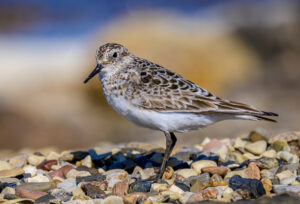 Baird’s SandpiperCalidris bairdii
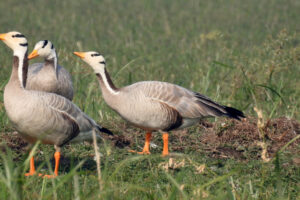 Bar-headed GooseAnser indicus
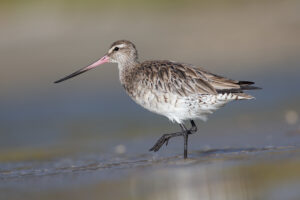 Bar-tailed GodwitLimosa lapponica
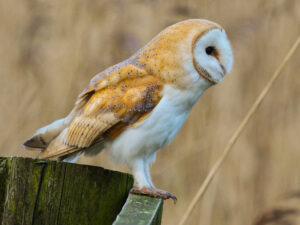 Barn OwlTyto alba
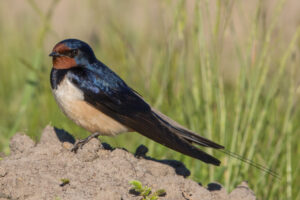 Barn SwallowHirundo rustica
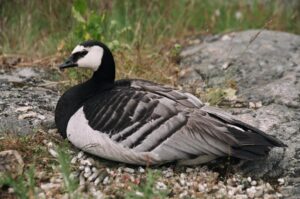 Barnacle GooseBranta leucopsis
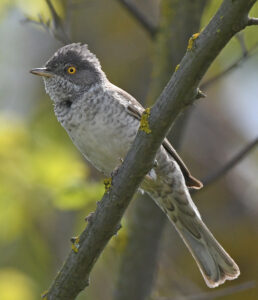 Barred WarblerCurruca nisoria
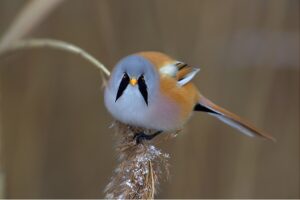 Bearded ReedlingPanurus biarmicus
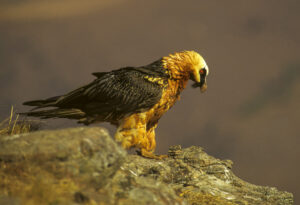 Bearded VultureGypaetus barbatus
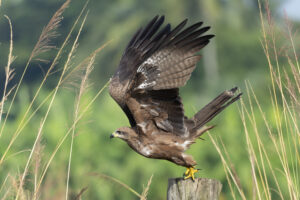 Black KiteMilvus migrans
 Black RedstartPhoenicurus ochruros
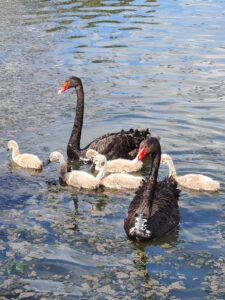 Black SwanCygnus atratus
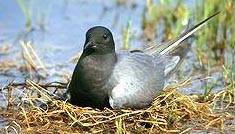 Black TernChlidonias niger
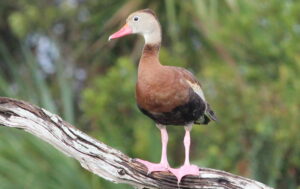 Black-bellied Whistling DuckDendrocygna autumnalis
 Black-crowned Night HeronNycticorax nycticorax
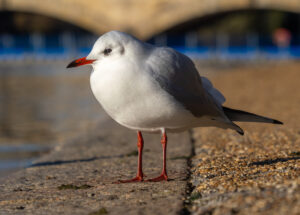 Black-headed GullChroicocephalus ridibundus
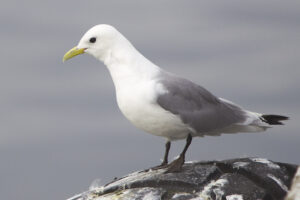 Black-legged KittiwakeRissa tridactyla
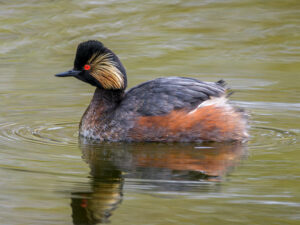 Black-necked GrebePodiceps nigricollis
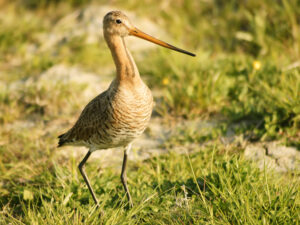 Black-tailed GodwitLimosa limosa
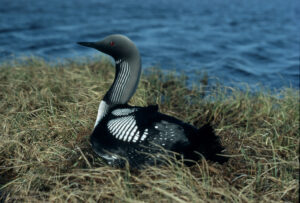 Black-throated LoonGavia arctica
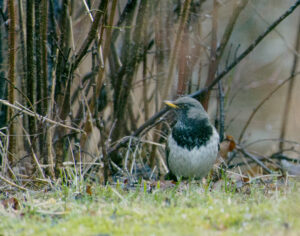 Black-throated ThrushTurdus atrogularis
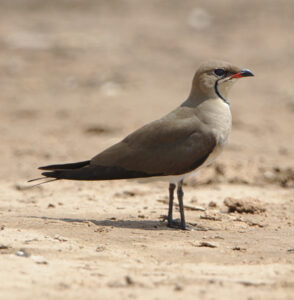 Black-winged PratincoleGlareola nordmanni
The full checklist — 360 birds of Cambridgeshire in our library
- Alexandrine Parakeet
- Alpine Swift
- American Golden Plover
- American Wigeon
- Arctic Tern
- Australian Shelduck
- Baikal Teal
- Baillon’s Crake
- Baird’s Sandpiper
- Bar-headed Goose
- Bar-tailed Godwit
- Barn Owl
- Barn Swallow
- Barnacle Goose
- Barred Warbler
- Bearded Reedling
- Bearded Vulture
- Black Kite
- Black Redstart
- Black Swan
- Black Tern
- Black-bellied Whistling Duck
- Black-crowned Night Heron
- Black-headed Gull
- Black-legged Kittiwake
- Black-necked Grebe
- Black-tailed Godwit
- Black-throated Loon
- Black-throated Thrush
- Black-winged Pratincole
- Black-winged Stilt
- Blue-winged Teal
- Bluethroat
- Bohemian Waxwing
- Bonaparte’s Gull
- Brambling
- Brant Goose
- Broad-billed Sandpiper
- Buff-breasted Sandpiper
- Canada Goose
- Cape Teal
- Carrion Crow
- Caspian Gull
- Caspian Tern
- Cetti’s Warbler
- Chiloe Wigeon
- Chukar Partridge
- Cinnamon Teal
- Coal Tit
- Cockatiel
- Collared Pratincole
- Common Blackbird
- Common Buzzard
- Common Chiffchaff
- Common Crane
- Common Cuckoo
- Common Eider
- Common Firecrest
- Common Goldeneye
- Common Grasshopper Warbler
- Common Greenshank
- Common Gull
- Common Hoopoe
- Common Kestrel
- Common Kingfisher
- Common Linnet
- Common Loon
- Common Merganser
- Common Moorhen
- Common Murre
- Common Nightingale
- Common Pheasant
- Common Pochard
- Common Quail
- Common Redshank
- Common Redstart
- Common Reed Bunting
- Common Reed Warbler
- Common Ringed Plover
- Common Rosefinch
- Common Sandpiper
- Common Scoter
- Common Shelduck
- Common Snipe
- Common Starling
- Common Swift
- Common Tern
- Common Whitethroat
- Common Wood Pigeon
- Corn Bunting
- Corn Crake
- Curlew Sandpiper
- Dartford Warbler
- Dunlin
- Dunnock
- Dusky Warbler
- Eastern Rosella
- Egyptian Goose
- Eurasian Bittern
- Eurasian Blackcap
- Eurasian Blue Tit
- Eurasian Bullfinch
- Eurasian Chaffinch
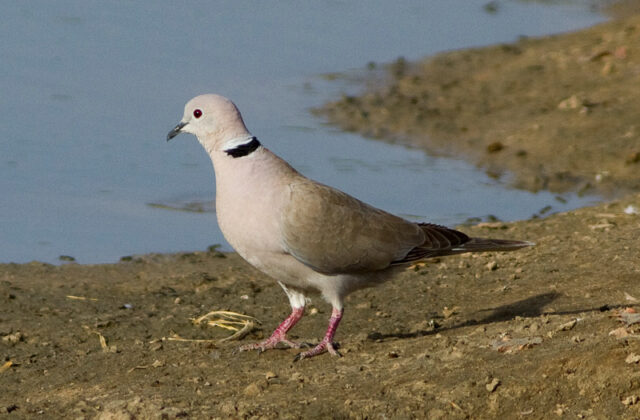
- Eurasian Collared Dove
- Eurasian Coot
- Eurasian Curlew
- Eurasian Dotterel
- Eurasian Golden Oriole
- Eurasian Goshawk
- Eurasian Hobby
- Eurasian Jay
- Eurasian Magpie
- Eurasian Nuthatch
- Eurasian Oystercatcher
- Eurasian Penduline Tit
- Eurasian Siskin
- Eurasian Skylark
- Eurasian Sparrowhawk
- Eurasian Spoonbill
- Eurasian Stone-curlew
- Eurasian Teal
- Eurasian Tree Sparrow
- Eurasian Treecreeper
- Eurasian Whimbrel
- Eurasian Wigeon
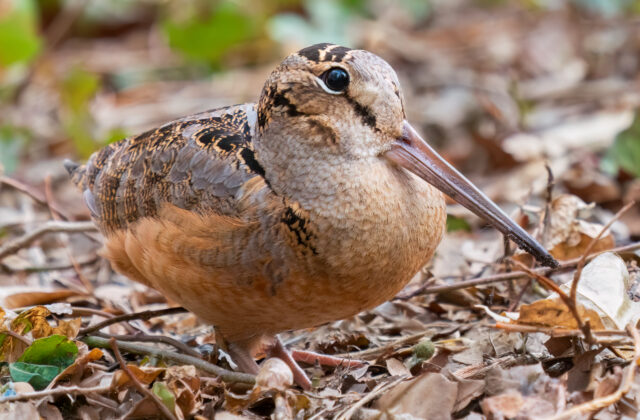
- Eurasian Woodcock
- Eurasian Wren
- Eurasian Wryneck
- European Bee-eater
- European Golden Plover
- European Goldfinch
- European Green Woodpecker
- European Greenfinch
- European Herring Gull
- European Honey Buzzard
- European Nightjar
- European Pied Flycatcher
- European Red-rumped Swallow
- European Robin
- European Rock Pipit
- European Serin
- European Shag
- European Stonechat
- European Storm Petrel
- European Turtle Dove
- Ferruginous Duck
- Fieldfare
- Fischer’s Lovebird
- Franklin’s Gull
- Fulvous Whistling Duck
- Gadwall
- Garden Warbler
- Garganey
- Glaucous Gull
- Glossy Ibis
- Goldcrest
- Golden Pheasant
- Great Black-backed Gull
- Great Cormorant
- Great Crested Grebe
- Great Egret
- Great Grey Shrike
- Great Reed Warbler
- Great Skua
- Great Spotted Woodpecker
- Great Tit
- Greater Rhea
- Greater Scaup
- Greater White-fronted Goose
- Greater Yellowlegs
- Green Sandpiper
- Green-cheeked Parakeet
- Grey Crowned Crane
- Grey Heron
- Grey Partridge
- Grey Plover
- Grey Wagtail
- Grey-headed Gull
- Grey-headed Swamphen
- Greylag Goose
- Gull-billed Tern
- Harris’s Hawk
- Hawfinch
- Helmeted Guineafowl
- Hen Harrier
- Hooded Crow
- Horned Grebe
- Horned Lark
- House Sparrow
- Iceland Gull
- Icterine Warbler
- Indian Peafowl
- Isabelline Shrike
- Isabelline Wheatear
- Jack Snipe
- Kelp Gull
- Kentish Plover
- Lapland Longspur
- Laughing Gull
- Leach’s Storm Petrel
- Least Sandpiper
- Lesser Black-backed Gull
- Lesser Scaup
- Lesser Spotted Woodpecker
- Lesser White-fronted Goose
- Lesser Whitethroat
- Lesser Yellowlegs
- Lilac-breasted Roller
- Little Auk
- Little Crake
- Little Egret
- Little Grebe
- Little Gull
- Little Owl
- Little Ringed Plover
- Little Stint
- Little Tern
- Long-billed Dowitcher
- Long-eared Owl
- Long-tailed Duck
- Long-tailed Jaeger
- Long-tailed Tit
- Mallard
- Mandarin Duck
- Maned Duck
- Manx Shearwater
- Marbled Duck
- Marsh Sandpiper
- Marsh Tit
- Marsh Warbler
- Meadow Pipit
- Mediterranean Gull
- Merlin
- Mistle Thrush
- Montagu’s Harrier
- Muscovy Duck
- Mute Swan
- Northern Fulmar
- Northern Gannet
- Northern Harrier
- Northern Lapwing
- Northern Pintail
- Northern Raven
- Northern Shoveler
- Northern Wheatear
- Osprey
- Pacific Golden Plover
- Pallas’s Leaf Warbler
- Pallid Harrier
- Parasitic Jaeger
- Pectoral Sandpiper
- Peregrine Falcon
- Pied Avocet
- Pink-footed Goose
- Pomarine Jaeger
- Purple Heron
- Purple Sandpiper
- Radde’s Warbler
- Razorbill
- Red Crossbill
- Red Kite
- Red Knot
- Red Phalarope
- Red-backed Shrike
- Red-breasted Merganser
- Red-crested Pochard
- Red-footed Falcon
- Red-legged Partridge
- Red-necked Grebe
- Red-necked Phalarope
- Red-necked Stint
- Red-tailed Hawk
- Red-throated Loon
- Redpoll
- Redwing
- Reeves’s Pheasant
- Richard’s Pipit
- Ring Ouzel
- Ring-billed Gull
- Ring-necked Duck
- Ringed Teal
- Rock Dove
- Rook
- Rose-ringed Parakeet
- Roseate Tern
- Ross’s Goose
- Rosy Starling
- Rough-legged Buzzard
- Ruddy Duck
- Ruddy Shelduck
- Ruddy Turnstone
- Ruff
- Rustic Bunting
- Sabine’s Gull
- Saker Falcon
- Sand Martin
- Sanderling
- Sandwich Tern
- Savi’s Warbler
- Sedge Warbler
- Semipalmated Sandpiper
- Short-eared Owl
- Smew
- Snow Bunting
- Snow Goose
- Sociable Lapwing
- Song Thrush
- Sooty Shearwater
- South African Shelduck
- Spotted Crake
- Spotted Flycatcher
- Spotted Redshank
- Spotted Sandpiper
- Squacco Heron
- Stock Dove
- Sun Parakeet
- Sunda Zebra Finch
- Surf Scoter
- Swan Goose
- Taiga Bean Goose
- Tanimbar Corella
- Tawny Owl
- Temminck’s Stint
- Tree Pipit
- Tree Swallow
- Tufted Duck
- Tundra Bean Goose
- Tundra Swan
- Twite
- Velvet Scoter
- Water Pipit
- Water Rail
- Western Cattle Egret
- Western House Martin
- Western Jackdaw
- Western Marsh Harrier
- Western Yellow Wagtail
- Whinchat
- Whiskered Tern
- White Stork
- White Wagtail
- White-faced Whistling Duck
- White-headed Duck
- White-rumped Sandpiper
- White-tailed Eagle
- White-throated Dipper
- White-winged Tern
- Whooper Swan
- Willow Tit
- Willow Warbler
- Wilson’s Phalarope
- Wood Duck
- Wood Sandpiper
- Wood Warbler
- Woodchat Shrike
- Woodlark
- Yellow-billed Pintail
- Yellow-browed Warbler
- Yellow-legged Gull
- Yellowhammer
More places to explore
Species lists and counts come from the eBird network; "recorded" means reported by birders to eBird. Tap any bird for its full profile, photos, sounds and ID notes.
Frequently asked questions
How many bird species are in Cambridgeshire?
360 species have been recorded in Cambridgeshire on eBird; 360 of them have a full profile on Birbs.
Where can I see birds in Cambridgeshire right now?
Use the Birds Near You tool to see species reported near you in the last few days, or browse the full checklist on this page.