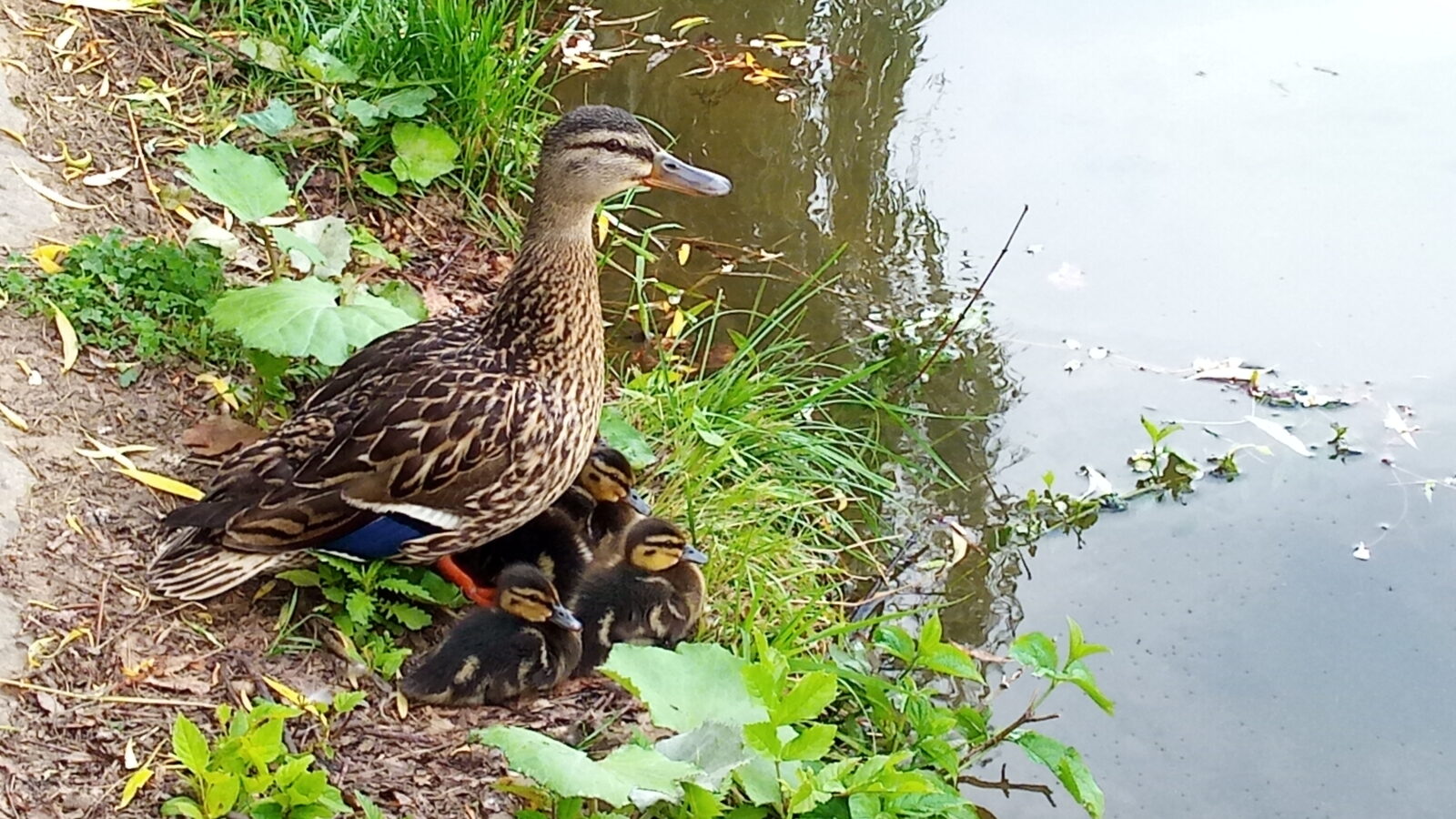
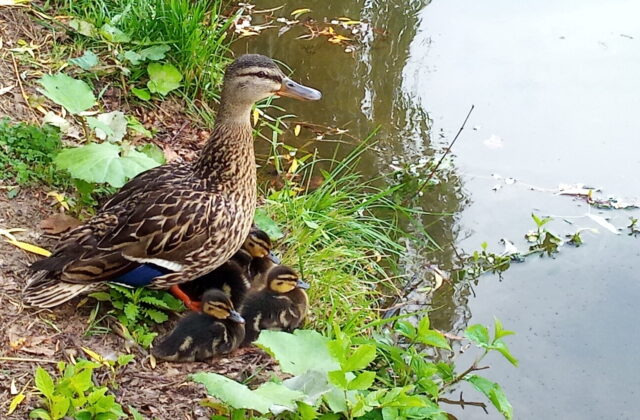
Photo: Tetiana.iefimenko / CC BY 4.0 (Wikimedia Commons)
Mallard
Anas platyrhynchos
Birb mood: the park-pond classic
The familiar green-headed dabbling duck of ponds worldwide — and the wild ancestor of nearly every farmyard duck.
Also known as: Wild Duck, Greenhead (drake)
What's in a name? Anas is simply Latin for "duck"; platyrhynchos comes from Greek for "broad-billed", describing the wide, flat dabbling bill.
Found across 20 guides in our atlas — open any for the full checklist, photos and what's around right now.
The Mallard (Anas platyrhynchos) is a member of the Anatidae family found in Europe & Northern Asia and North America. Adults measure 50–65 cm and weigh 720–1580 g. The IUCN Red List lists it as Least Concern.
Conservation status
IUCN Red List (opens in a new tab)Widespread and abundant — not currently at risk.
Where it fits
- Class Aves
- Order Anseriformes
- Family Anatidae Ducks, Geese, Swans
- Genus Anas
- Species platyrhynchos
Quick facts
- Size
- 50–65 cm
- Weight
- 720–1580 g
- Wingspan
- 81–98 cm
- Lifespan
- 3 years typical; up to 27 recorded
- Clutch size
- 8–13 eggs
- Diet
- Aquatic plant-eaters
- Family
- Anatidae
- Order
- Anseriformes
- Habitat
- Suburban Gardens, Wetlands
How to identify
Drakes: glossy green head, white neck-ring, chestnut breast, grey body and a curled black central tail feather. Both sexes show a blue speculum bordered with white on the wing.
Male vs female
The drake is unmistakable in breeding plumage; the hen is mottled brown for camouflage, with an orange-and-brown bill and the same blue wing patch.
Juvenile appearance
Ducklings are classic yellow-and-brown fluffballs; juveniles resemble the female before young drakes develop their green heads.
Breeding vs non-breeding
Breeding drakes show the green head and grey body; in late-summer eclipse plumage males become dull and female-like (told by the yellow bill) before regaining breeding colours.
Similar birds
 Least Concern
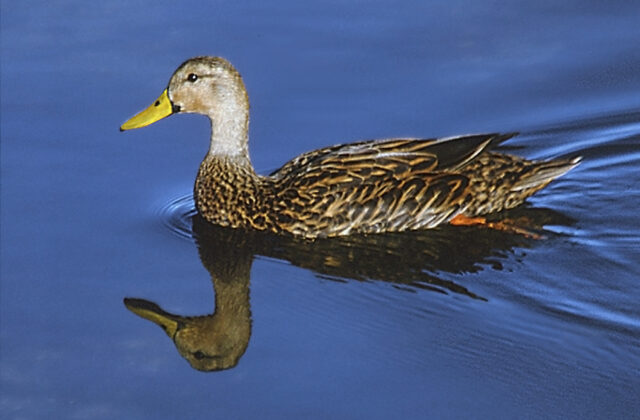 Least Concern
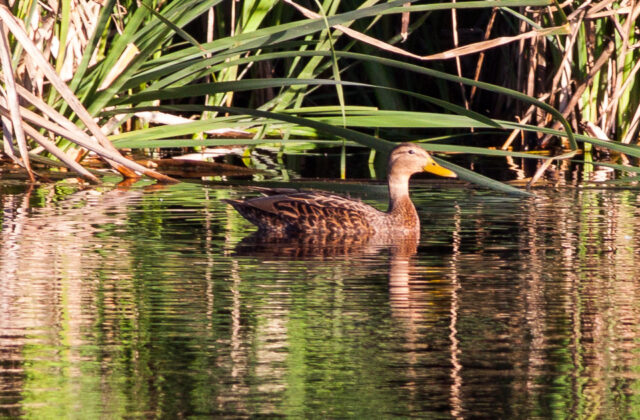 Not Evaluated
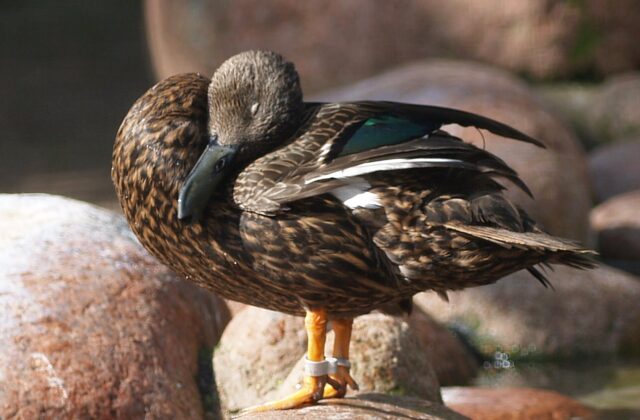 Endangered
Biology & behaviour
Diet
An opportunistic omnivore: seeds, aquatic plants, insects, snails and the occasional small fish, gathered by dabbling at the surface and upending in shallow water.
Behaviour
Social and noisy in winter flocks. After breeding, drakes moult into a drab "eclipse" plumage and briefly lose the power of flight while replacing their wing feathers.
Breeding
The female nests on the ground near water, lines the nest with her own down, and leads the precocial ducklings to water within a day of hatching.
Migration
Northern populations migrate to escape ice; many temperate and urban birds are year-round residents wherever water stays open.
Population trend: Stable
The Mallard is the duck most of us learned to recognise first: the drake’s bottle-green head and yellow bill against the female’s mottled brown camouflage, both upending in the shallows to feed. It is one of the most abundant and adaptable waterfowl on the planet, equally at ease on a wild marsh or a city park lake.Its success is also its complication: Mallards interbreed readily with other ducks and are the ancestor of almost all domestic duck breeds. Watching a pair “dabble” — tails up, heads down, sieving the muddy shallows — is a perfect first lesson in how ducks actually feed.
Songs & calls
Frequently asked questions
How big is the Mallard?
The Mallard is a large bird that weighs around 720–1580 g and measures about 50–65 cm.
Where does the Mallard live?
The Mallard is found across Europe & Northern Asia and North America with a range covering NA, PAL widespread, where it is associated with wetlands, lakes and other open water.
What family does the Mallard belong to?
The Mallard (Anas platyrhynchos) belongs to the Anatidae family, in the order Anseriformes.
What does the Mallard eat?
The Mallard feeds mainly on aquatic plants and algae.
Does the Mallard migrate?
The Mallard is partially migratory: some populations move with the seasons while others stay resident year-round.
Is the Mallard endangered?
The IUCN Red List currently assesses it as Least Concern That category covers species that remain widespread and reasonably abundant in the wild.
What sound does the Mallard make?
4 real field recordings of the Mallard — including its call, flight call and begging call — can be played in the Songs & calls section on this page, each credited to the recordist who captured it.
How large is the Mallard's range?
The Mallard has a mapped global range of about 39.7 million km².
Conservation
Every bird benefits from bird-safe windows, native plants, and keeping cats indoors. Small changes at home add up to real protection.
Explore more birds
More in Anatidae
 Least Concern
 Least Concern
 Least Concern
 Least Concern
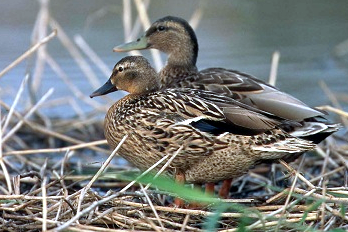 Vulnerable
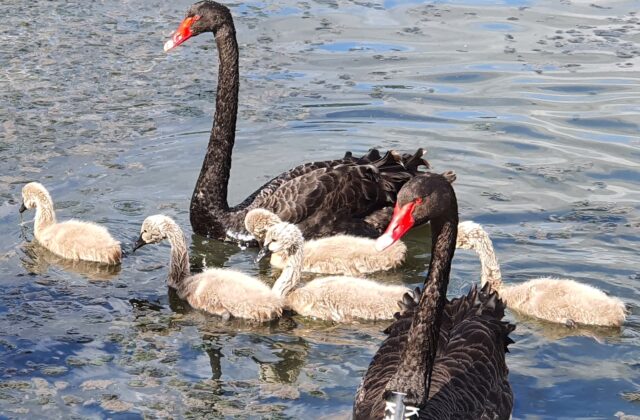 Least Concern
More in Waterbirds
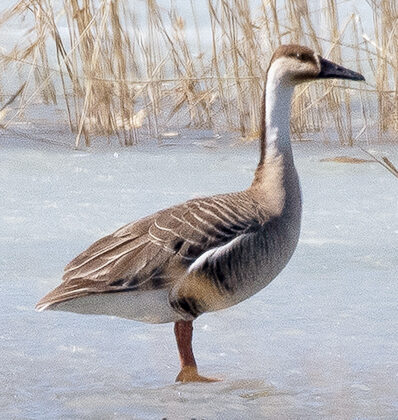 Endangered
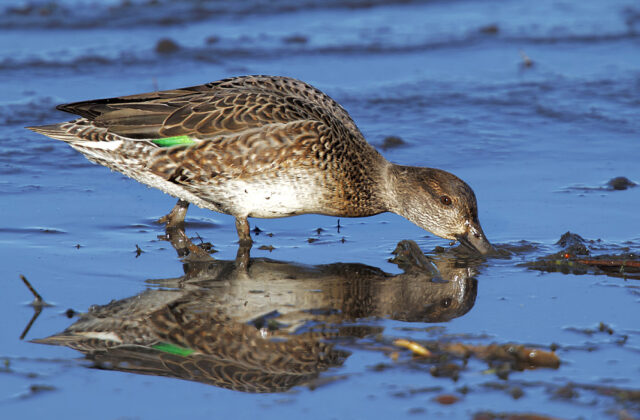 Least Concern
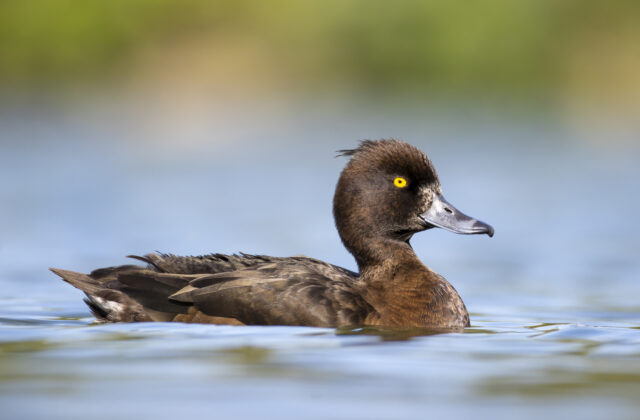 Least Concern
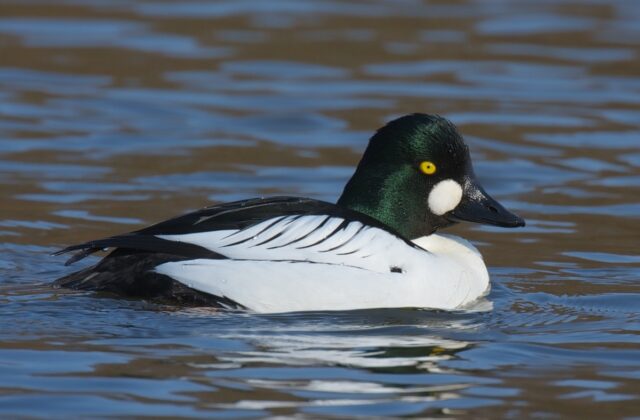 Least Concern
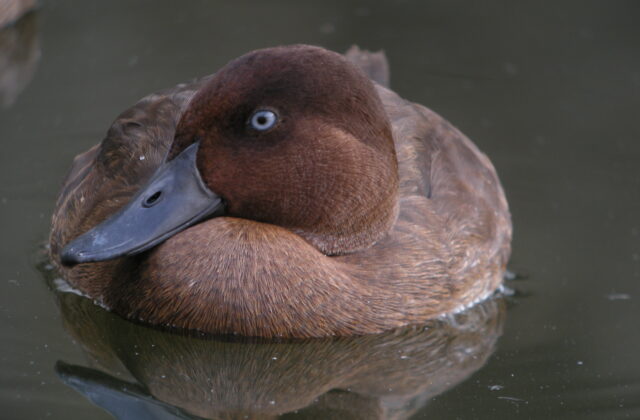 Critically Endangered
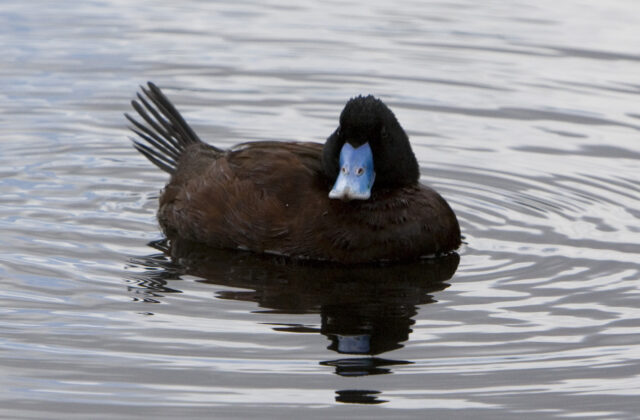 Least Concern
Guides for this bird
Mallard vs American Black Duck: How to Tell Them Apart
How to tell a Mallard from a American Black Duck — size, range, family and status compared side by side, with links to each bird’s full ID guide.