Old World Flycatchers & Chats of the Netherlands
29 Old World flycatchers and chats recorded in the Netherlands on the eBird network and profiled in the Birbs encyclopedia — the full list, with photos, sounds and ID notes, plus what's near you now.
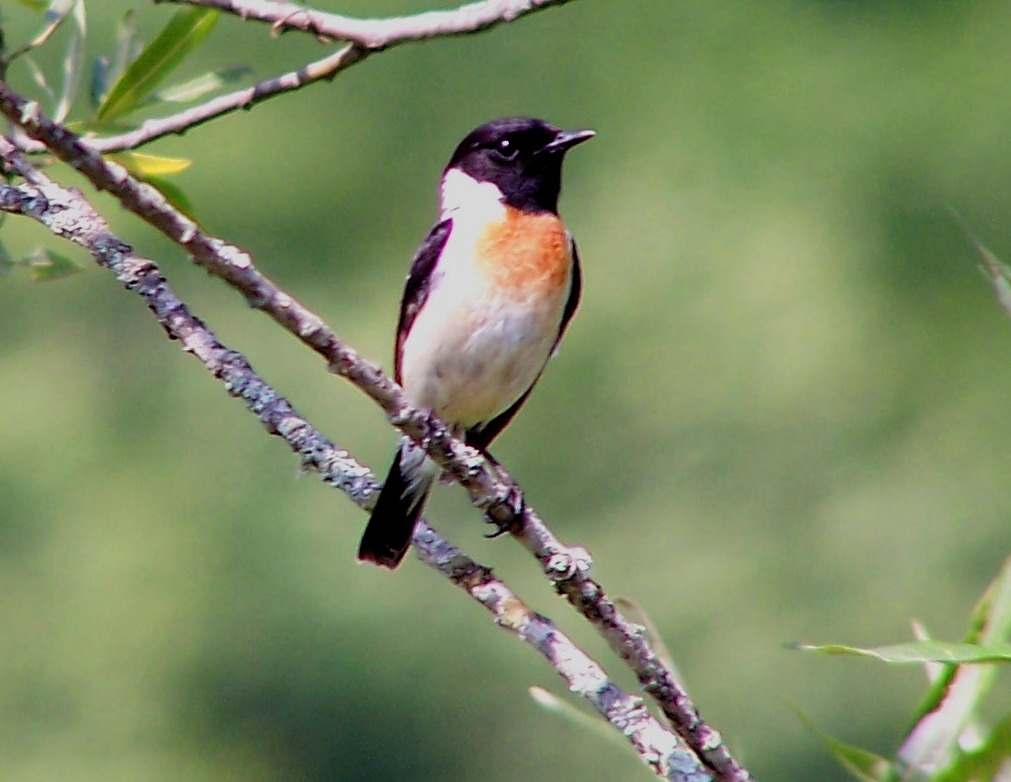
29 Old World flycatchers and chats have been recorded in the Netherlands on eBird, the global citizen-science database run by the Cornell Lab of Ornithology, and carry a full profile in the Birbs encyclopedia. Every bird below is a member of this group — the family Muscicapidae. Start with the well-known species, browse the complete list, then check which are being reported near you right now.
See birds reported near you → Get rare-bird alerts
Old World Flycatchers & Chats of the Netherlands to know first
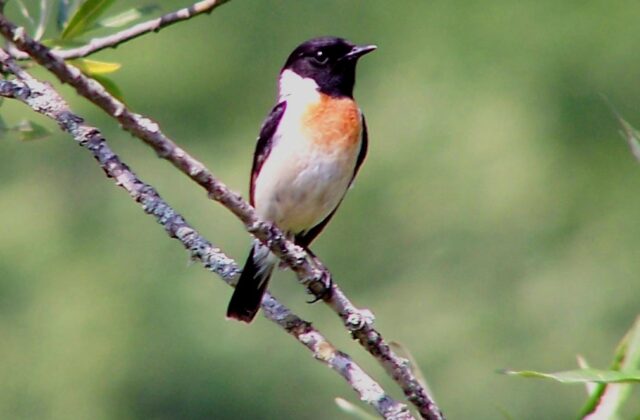
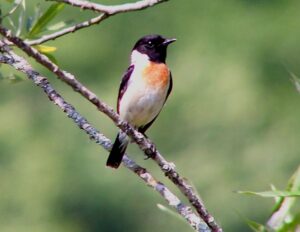 Amur StonechatSaxicola stejnegeri
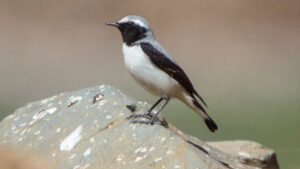 Atlas WheatearOenanthe seebohmi
 Black RedstartPhoenicurus ochruros
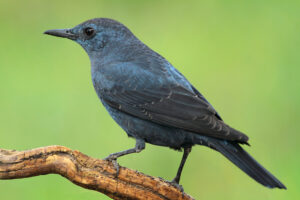 Blue Rock ThrushMonticola solitarius
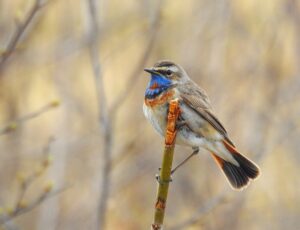 BluethroatLuscinia svecica
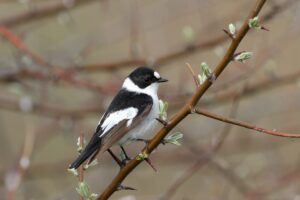 Collared FlycatcherFicedula albicollis
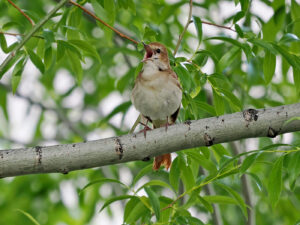 Common NightingaleLuscinia megarhynchos
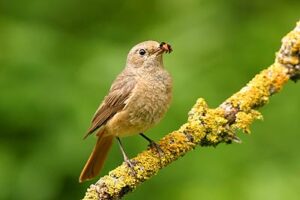 Common RedstartPhoenicurus phoenicurus
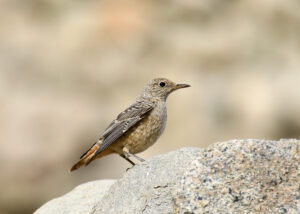 Common Rock ThrushMonticola saxatilis
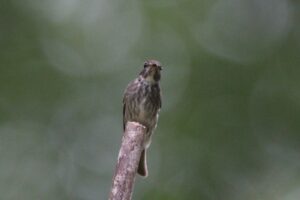 Dark-sided FlycatcherMuscicapa sibirica
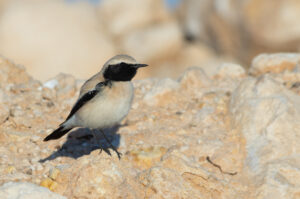 Desert WheatearOenanthe deserti
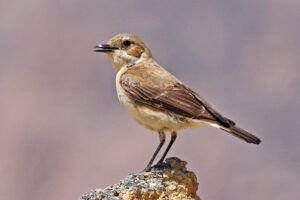 Eastern Black-eared WheatearOenanthe melanoleuca
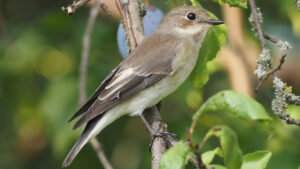 European Pied FlycatcherFicedula hypoleuca
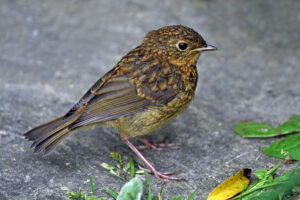 European RobinErithacus rubecula
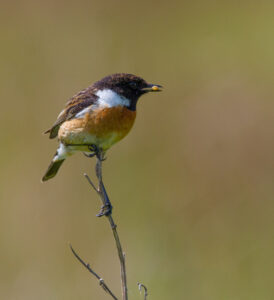 European StonechatSaxicola rubicola
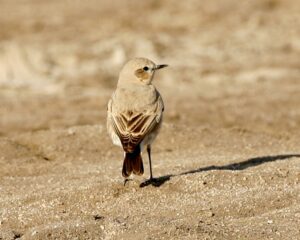 Isabelline WheatearOenanthe isabellina
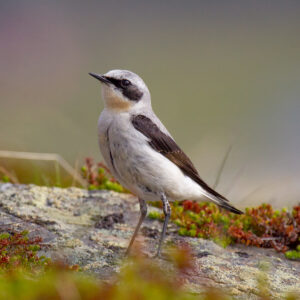 Northern WheatearOenanthe oenanthe
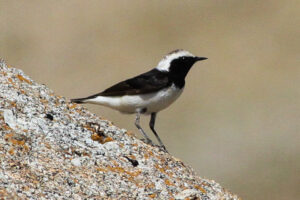 Pied WheatearOenanthe pleschanka
The full list — 29 Old World flycatchers and chats of the Netherlands in our library
- Amur Stonechat
- Atlas Wheatear
- Black Redstart
- Blue Rock Thrush
- Bluethroat
- Collared Flycatcher
- Common Nightingale
- Common Redstart
- Common Rock Thrush
- Dark-sided Flycatcher
- Desert Wheatear
- Eastern Black-eared Wheatear
- European Pied Flycatcher
- European Robin
- European Stonechat
- Isabelline Wheatear
- Northern Wheatear
- Pied Wheatear
- Red-breasted Flycatcher
- Red-flanked Bluetail
- Rufous-tailed Scrub Robin
- Siberian Rubythroat
- Siberian Stonechat
- Spotted Flycatcher
- Thrush Nightingale
- Western Black-eared Wheatear
- Whinchat
- White-crowned Wheatear
- White-rumped Shama
Keep exploring
- Birds of the Netherlands
- Ducks, Geese & Swans of the Netherlands (91 species)
- Sandpipers & Allies of the Netherlands (46 species)
- Gulls, Terns & Skimmers of the Netherlands (35 species)
- Hawks, Eagles & Kites of the Netherlands (28 species)
- True Finches of the Netherlands (21 species)
- Plovers of the Netherlands (18 species)
Old World Flycatchers & Chats in other regions
- Old World Flycatchers & Chats of India (107 species)
- Old World Flycatchers & Chats of Thailand (85 species)
- Old World Flycatchers & Chats of Indonesia (80 species)
- Old World Flycatchers & Chats of Tanzania (64 species)
- Old World Flycatchers & Chats of Malaysia (59 species)
- Old World Flycatchers & Chats of Kenya (57 species)
- Old World Flycatchers & Chats of South Africa (42 species)
- Old World Flycatchers & Chats of the Philippines (42 species)
- Old World Flycatchers & Chats of Japan (41 species)
- Old World Flycatchers & Chats of the United Kingdom (35 species)
- Old World Flycatchers & Chats of Spain (28 species)
- Old World Flycatchers & Chats of France (27 species)
Species and counts come from the eBird network; "recorded" means reported by birders to eBird. Family grouping follows the IOC World Bird List. Tap any bird for its full profile.
Frequently asked questions
How many Old World flycatchers and chats are found in the Netherlands?
29 Old World flycatchers and chats that we profile appear on the Netherlands's eBird-reported checklist. The full A–Z list is on this page; the real total can shift as eBird records are added.
Are all of these Old World flycatchers and chats really found there?
Yes — each one is on the Netherlands's eBird checklist (reported by birders to the Cornell Lab's eBird), and each of these Old World flycatchers and chats belongs to the family group named on this page. We don't rank them by abundance, because that varies by season and locale.
Where can I see Old World flycatchers and chats in the Netherlands right now?
Use Birds Near You for live, location-based reports, or turn on rare-bird alerts to hear when a notable one shows up close to you.