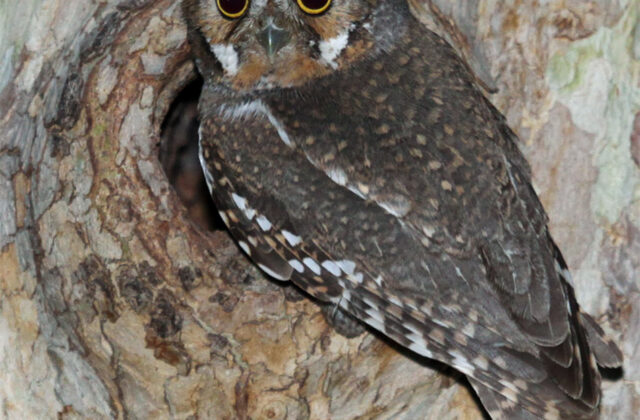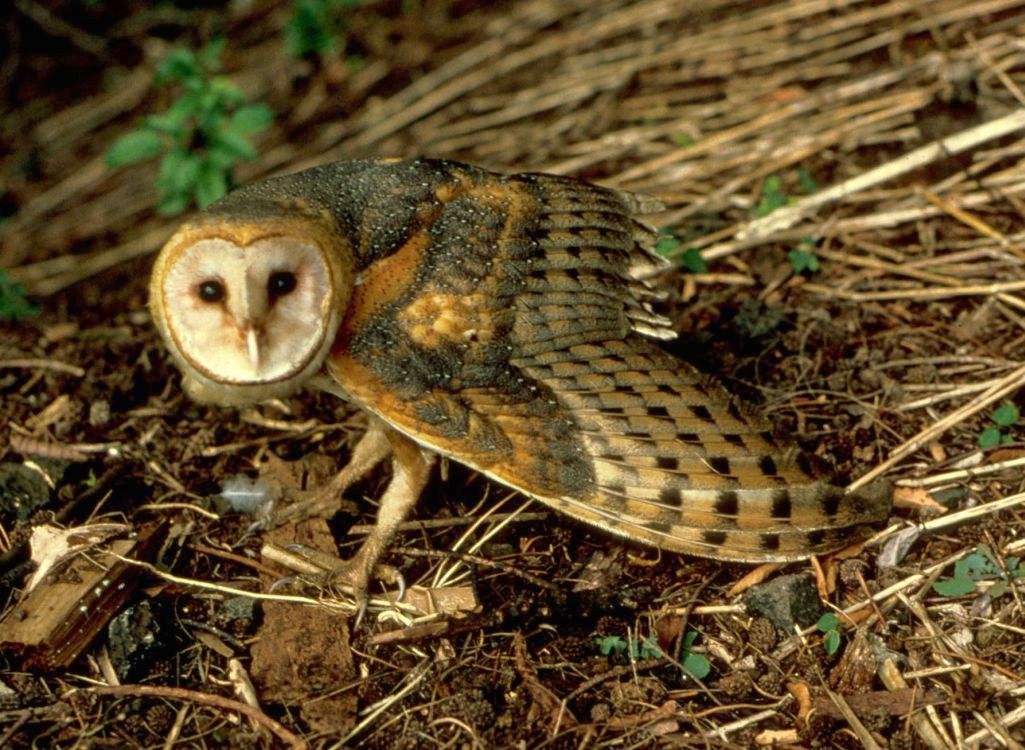
Photo: Wikimedia Commons / Public domain (Wikimedia Commons)
American Barn Owl
Tyto furcata
American Barn Owl (Tyto furcata) — Owls of North America.
Found across 19 guides in our atlas — open any for the full checklist, photos and what's around right now.
The American Barn Owl (Tyto furcata) is a member of the Tytonidae family found in Central America & Caribbean, North America and South America.
Where it fits
- Class Aves
- Order Strigiformes
- Family Tytonidae Barn Owls
- Genus Tyto
- Species furcata
Quick facts
- Family
- Tytonidae
- Order
- Strigiformes
How to identify
Male vs female
Sexes look broadly similar and overlap heavily, but on average females are noticeably larger and darker/more heavily black-spotted with a richer reddish-buff wash below, while males tend to be paler and whiter with fewer or no spots underneath; ground colour is the most reliable plumage cue and size is the surest overall sign.
Juvenile appearance
Nestlings are covered in white down with the heart-shaped facial disc appearing soon after hatching; fledged juveniles closely resemble adults once the buff-grey-and-white plumage grows in.
Biology & behaviour
The American Barn Owl (Tyto furcata) is a member of the Tytonidae family, within the order Strigiformes. It occurs naturally across Central America & Caribbean, North America and South America. Its distribution covers NA, MA, SA widespread.
Songs & calls
Frequently asked questions
Where does the American Barn Owl live?
The American Barn Owl is found across Central America & Caribbean, North America and South America with a range covering NA, MA, SA widespread.
What family does the American Barn Owl belong to?
The American Barn Owl (Tyto furcata) belongs to the Tytonidae family, in the order Strigiformes.
What sound does the American Barn Owl make?
1 real field recording of the American Barn Owl — including its call — can be played in the Songs & calls section on this page, credited to the recordist who captured it.
Conservation
Every bird benefits from bird-safe windows, native plants, and keeping cats indoors. Small changes at home add up to real protection.
Explore more birds
More in Tytonidae
 Least Concern
Birb mood:
the heart-faced ghost
Least Concern
Birb mood:
the heart-faced ghost
 Not Evaluated
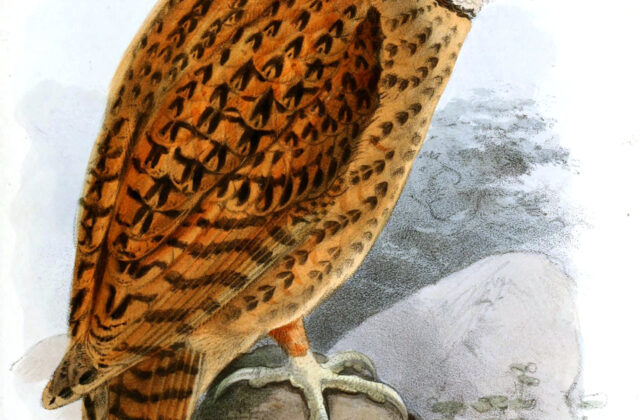 Vulnerable
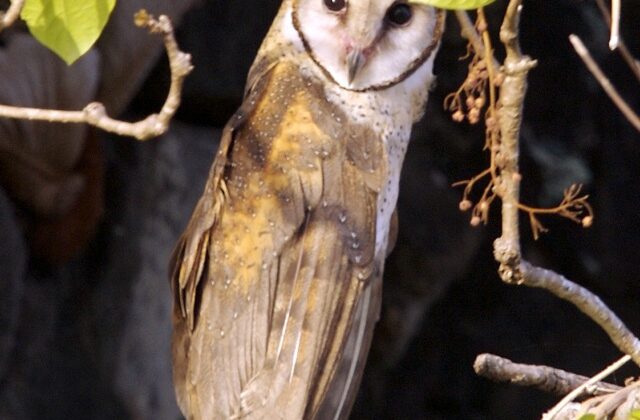 Least Concern
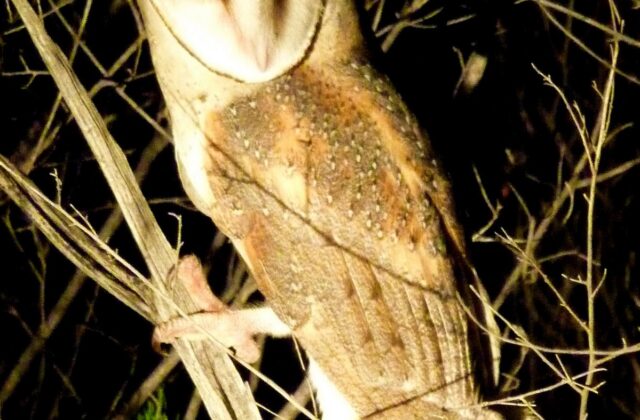 Not Evaluated
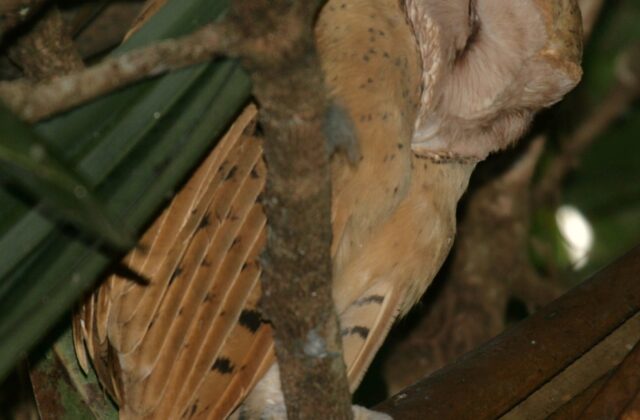
More in Owls
 Least Concern
 Least Concern
 Least Concern