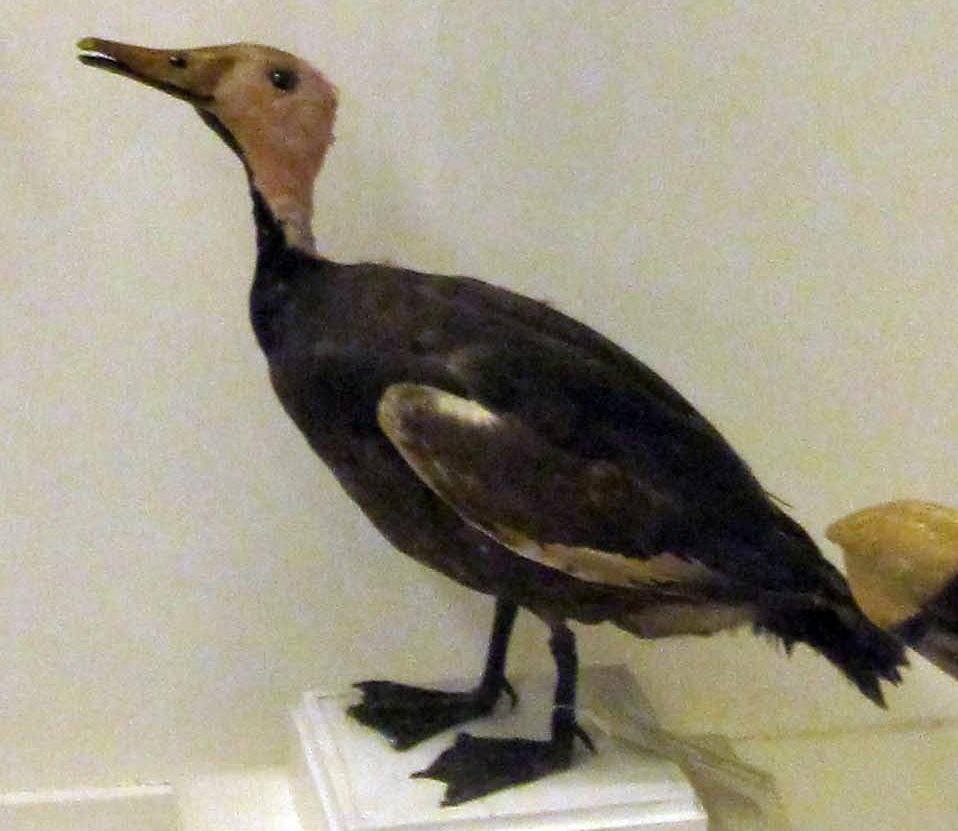
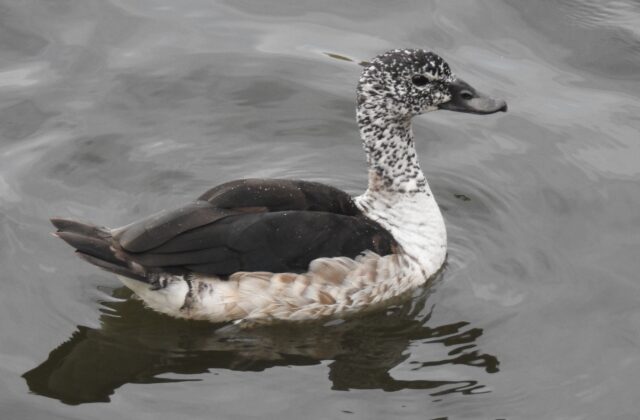
Photo: John Mosbaugh / CC BY 2.0 (Wikimedia Commons)
Pink-headed Duck
Rhodonessa caryophyllacea
Pink-headed Duck (Rhodonessa caryophyllacea) — Ducks, Geese & Swans of South & Southeast Asia.
Found across 2 guides in our atlas — open any for the full checklist, photos and what's around right now.
The Pink-headed Duck (Rhodonessa caryophyllacea) is a member of the Anatidae family found in South & Southeast Asia. Adults weigh 886 g. The IUCN Red List lists it as Extinct.
Conservation status
IUCN Red List (opens in a new tab)No reasonable doubt that the last individual has died.
Where it fits
- Class Aves
- Order Anseriformes
- Family Anatidae Ducks, Geese, Swans
- Genus Rhodonessa
- Species caryophyllacea
Quick facts
- Weight
- 886 g
- Family
- Anatidae
- Order
- Anseriformes
How to identify
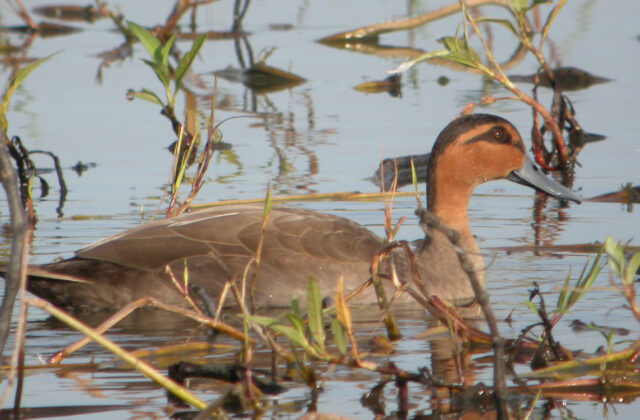
Similar birds
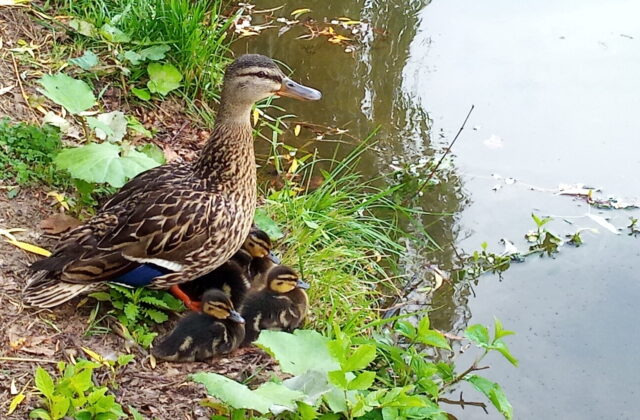 Least Concern
Birb mood:
the park-pond classic
Least Concern
Birb mood:
the park-pond classic
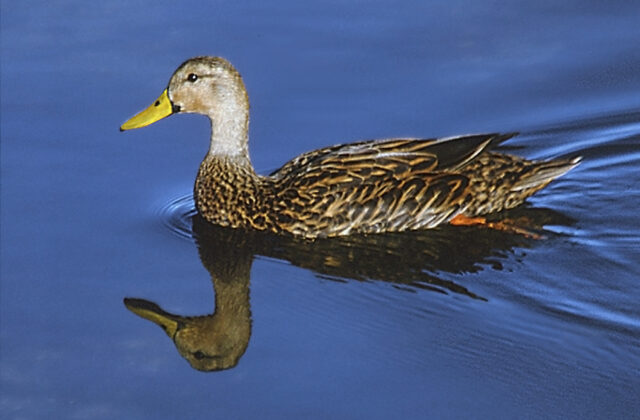 Least Concern
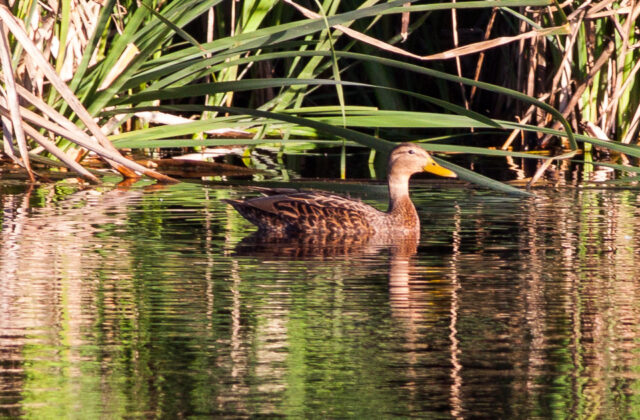 Not Evaluated
 Least Concern
Biology & behaviour
Behaviour
And is well suited to a life on and around water.
The Pink-headed Duck (Rhodonessa caryophyllacea) belongs to the Anatidae family of the order Anseriformes. It is found across South & Southeast Asia. Its distribution covers OR ne, e India and Myanmar.
It is a large bird. Adults weighs around 886 g, with a wing length of about 25.1 cm and a tail of around 8.5 cm.
It is listed as Extinct on the IUCN Red List.
The species has a mapped global range of roughly 1 km² — a relatively restricted global range.
Frequently asked questions
How big is the Pink-headed Duck?
The Pink-headed Duck is a large bird that weighs around 886 g.
Where does the Pink-headed Duck live?
The Pink-headed Duck is found across South & Southeast Asia with a range covering OR ne, e India and Myanmar.
What family does the Pink-headed Duck belong to?
The Pink-headed Duck (Rhodonessa caryophyllacea) belongs to the Anatidae family, in the order Anseriformes.
Is the Pink-headed Duck endangered?
It is listed as Extinct on the IUCN Red List
How large is the Pink-headed Duck's range?
The Pink-headed Duck has a mapped global range of about 1 km².
Conservation
Every bird benefits from bird-safe windows, native plants, and keeping cats indoors. Small changes at home add up to real protection.
Explore more birds
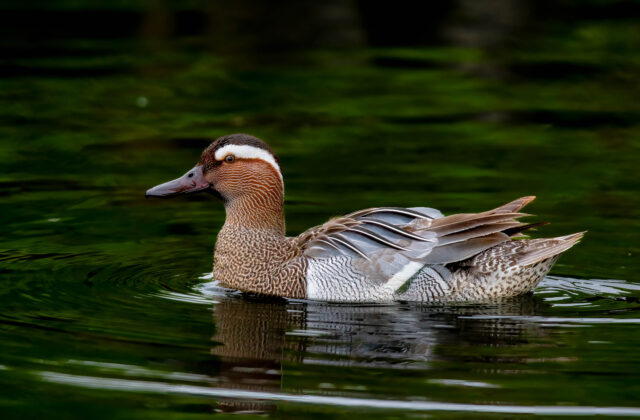
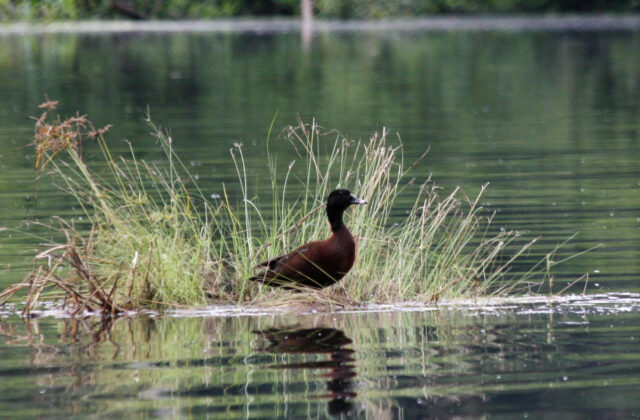
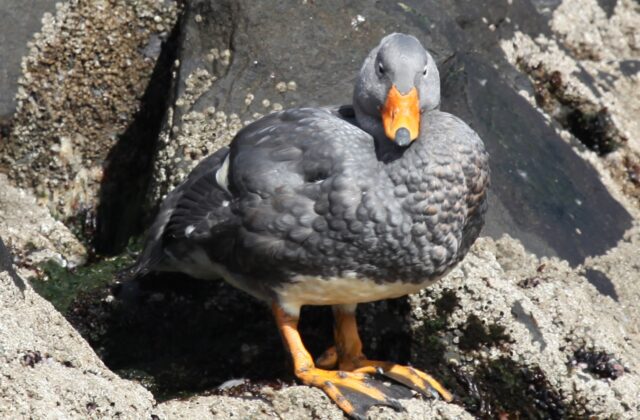
More in Anatidae
 Least Concern
 Least Concern
 Least Concern
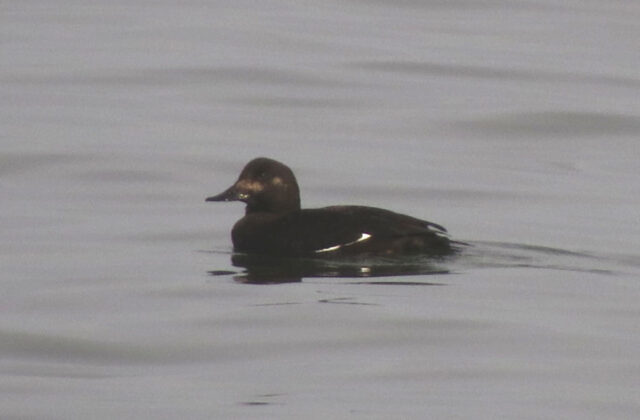 Vulnerable
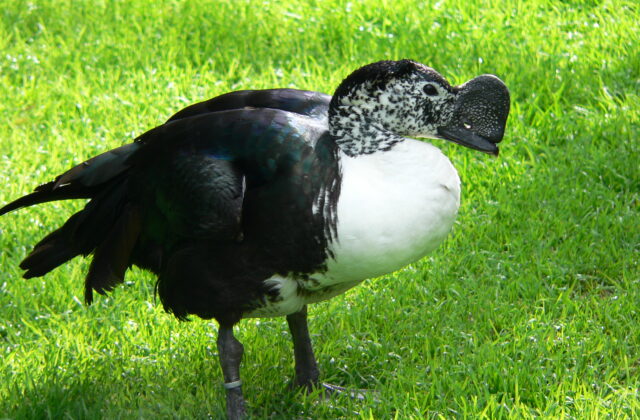 Least Concern
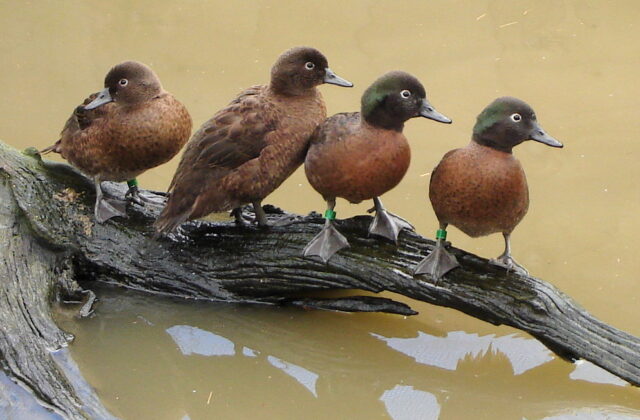 Vulnerable
More in Waterbirds
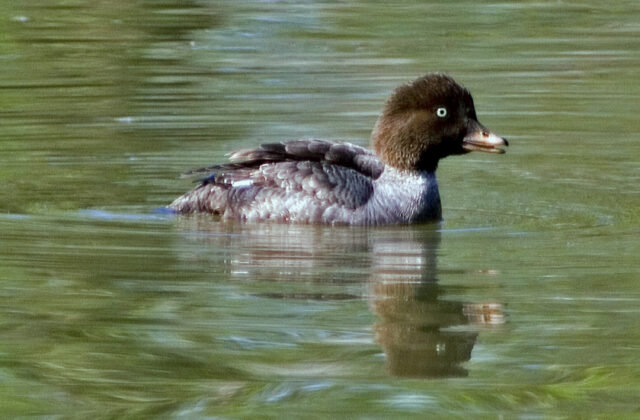 Least Concern
 Least Concern
 Least Concern
 Least Concern
 Least Concern
 Least Concern