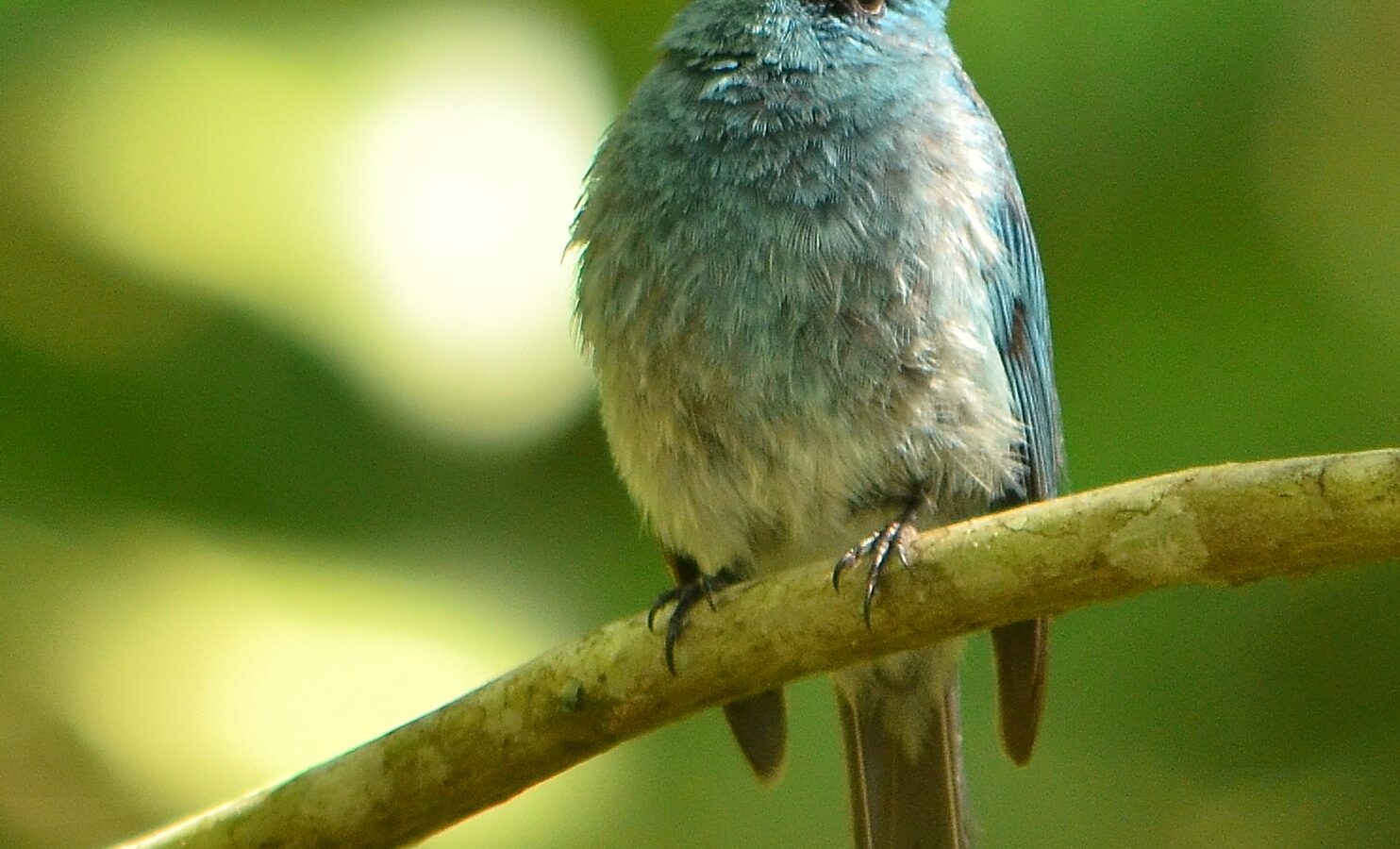
Photo: Ariefrahman, ([email protected]) / CC BY-SA 3.0 (Wikimedia Commons)
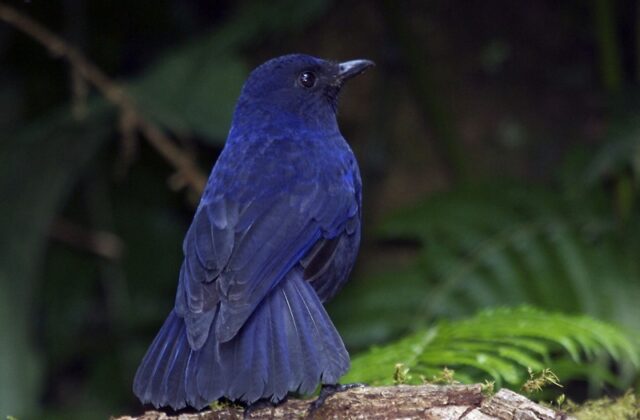
Turquoise Flycatcher
Eumyias panayensis
Turquoise Flycatcher (Eumyias panayensis) — Songbirds & Perching Birds of Australia & Oceania.
Found across 4 guides in our atlas — open any for the full checklist, photos and what's around right now.
The Turquoise Flycatcher (Eumyias panayensis) is a member of the Muscicapidae family found in Australia & Oceania. Adults weigh 20 g. The IUCN Red List lists it as Least Concern.
Conservation status
IUCN Red List (opens in a new tab)Widespread and abundant — not currently at risk.
Where it fits
- Class Aves
- Order Passeriformes
- Family Muscicapidae Chats, Old World Flycatchers
- Genus Eumyias
- Species panayensis
Where it lives
Montane Sulawesi, Moluccas and Philippines (except Palawan group, East Visayas and Sulu Arch.)
Quick facts
- Weight
- 20 g
- Diet
- Invertebrate-eaters
- Family
- Muscicapidae
- Order
- Passeriformes
- Habitat
- Woodland
How to identify
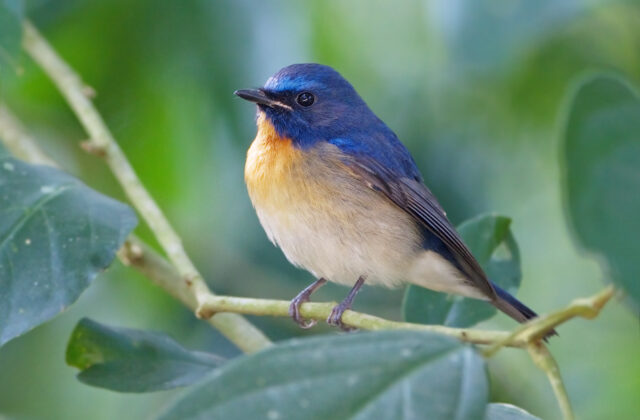
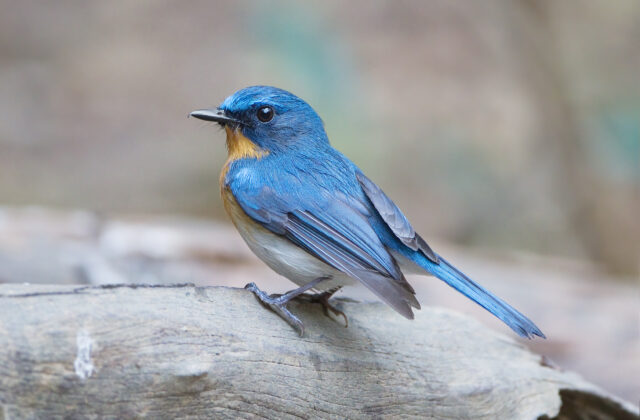
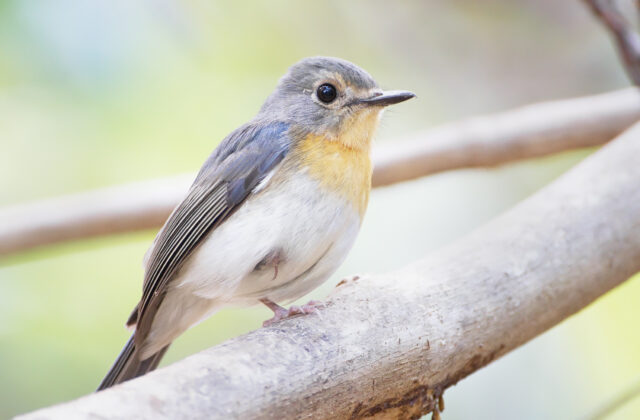
Similar birds
 Least Concern
 Least Concern
 Least Concern
 Least Concern
Biology & behaviour
Diet
The Turquoise Flycatcher is a invertivore — it feeds mainly on invertebrates such as insects and other small prey.
Behaviour
A bird of dense forest, it spends much of its time perched in trees and shrubs.
Migration
The Turquoise Flycatcher is largely sedentary, staying within its range year-round rather than making regular long-distance migrations.
The Turquoise Flycatcher (Eumyias panayensis) is a member of the Muscicapidae family, within the order Passeriformes. Its range spans Australia & Oceania. Its distribution covers AU montane Sulawesi, Moluccas and Philippines (except Palawan group, East Visayas and Sulu Arch.).
It is a small bird. Adults weighs around 20 g, with a wing length of about 7.6 cm and a tail of around 6.4 cm.
The IUCN Red List currently assesses it as Least Concern. That category covers species that remain widespread and reasonably abundant in the wild.
Its mapped global range covers an estimated 174,000 km².
Songs & calls
Frequently asked questions
How big is the Turquoise Flycatcher?
The Turquoise Flycatcher is a small bird that weighs around 20 g.
Where does the Turquoise Flycatcher live?
The Turquoise Flycatcher is found across Australia & Oceania with a range covering AU montane Sulawesi, Moluccas and Philippines (except Palawan group, East Visayas and Sulu Arch.), where it favours woodland, forest and well-treed country.
What family does the Turquoise Flycatcher belong to?
The Turquoise Flycatcher (Eumyias panayensis) belongs to the Muscicapidae family, in the order Passeriformes.
What does the Turquoise Flycatcher eat?
The Turquoise Flycatcher is a invertivore — it feeds mainly on invertebrates such as insects and other small prey.
Does the Turquoise Flycatcher migrate?
The Turquoise Flycatcher is largely sedentary, staying within its range year-round rather than making regular long-distance migrations.
Is the Turquoise Flycatcher endangered?
The IUCN Red List currently assesses it as Least Concern That category covers species that remain widespread and reasonably abundant in the wild.
What sound does the Turquoise Flycatcher make?
1 real field recording of the Turquoise Flycatcher — including its call — can be played in the Songs & calls section on this page, credited to the recordist who captured it.
How large is the Turquoise Flycatcher's range?
The Turquoise Flycatcher has a mapped global range of about 174,000 km².
Conservation
Every bird benefits from bird-safe windows, native plants, and keeping cats indoors. Small changes at home add up to real protection.
Explore more birds
More in Muscicapidae
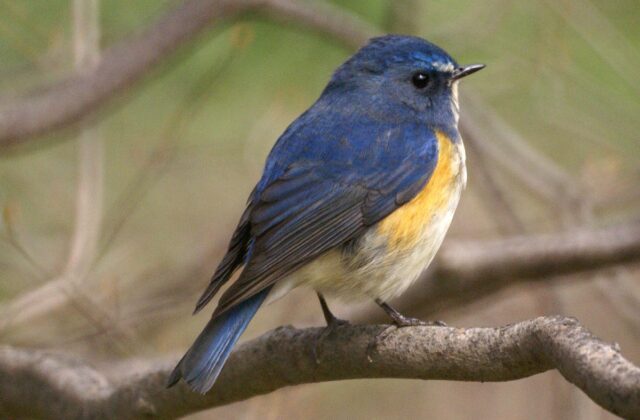
 Least Concern
 Least Concern
 Least Concern
 Not Evaluated
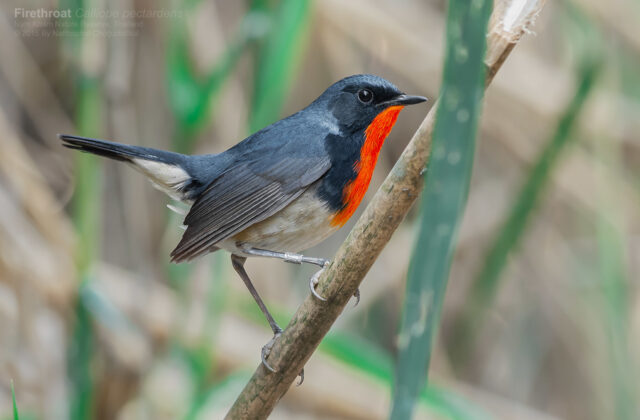 Near Threatened
More in Songbirds
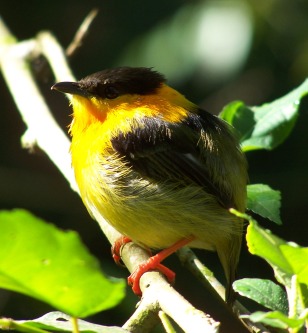 Least Concern
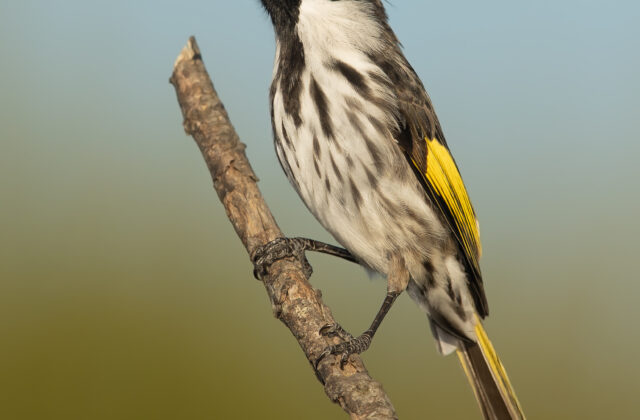 Least Concern
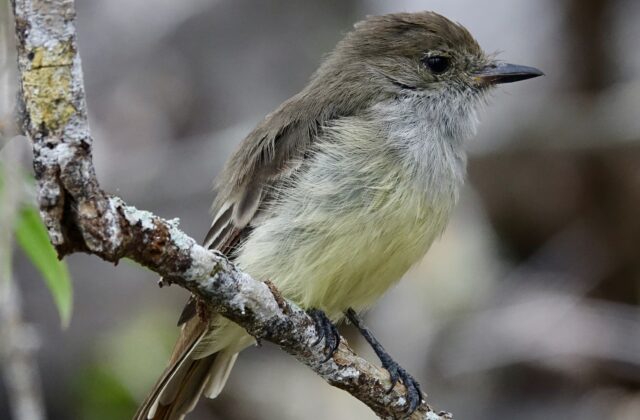 Least Concern
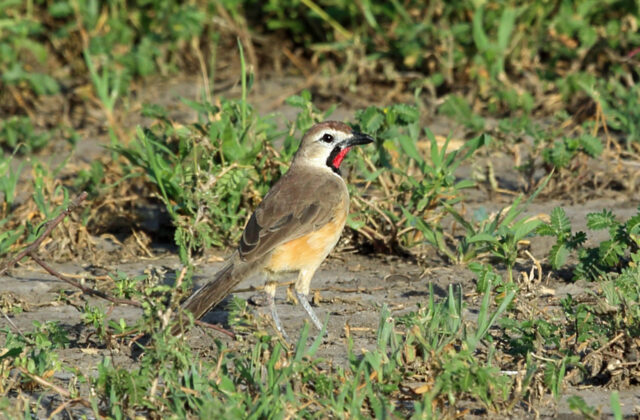 Least Concern
 Least Concern
 Least Concern
Guides for this bird
Best Bird Feeders for Garden Songbirds
How to choose a bird feeder for garden songbirds — the feeder styles compared, the seed they prefer, where to hang it, and how to keep birds safe. A decision framework grounded in real data, with no mystery picks.
Meet the Muscicapidae
A field guide to the Muscicapidae family — 355 species in the Birbs encyclopedia, with the best-known members to start with.