Best Bird Feeders for Garden Songbirds
How to choose a bird feeder for garden songbirds — the feeder styles compared, the seed they prefer, where to hang it, and how to keep birds safe. A decision framework grounded in real data, with no mystery picks.
Songbirds — finches, tits, sparrows, cardinals and the like — are the birds most likely to visit a garden feeder, which makes a seed feeder the best first buy for attracting birds. The Birbs encyclopedia profiles 6,620 songbird species — here is how to choose a seed feeder, with no mystery picks.
The short answer
Start here If you only buy one thing, get a tube or hopper feeder and fill it with sunflower hearts — it suits the widest range of garden songbirds.
- You want one feeder for the most birdsHopper / “house” feeder
- You mainly want finches & small birdsTube feeder (fine ports for nyjer)
- Squirrels raid everythingMetal-port tube + a baffle
- You feed ground-feeders tooPlatform / tray feeder
From the encyclopedia
Real songbird species profiled on Birbs, with the data we actually hold. Tap any bird for its full profile.
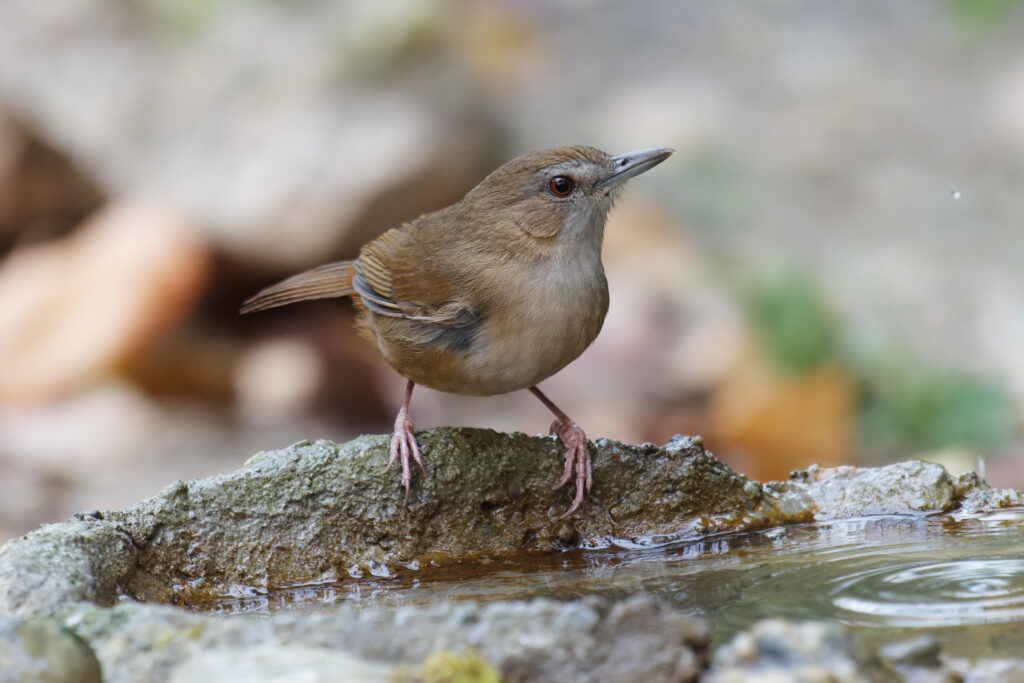
 LCAberrant Bush Warbler8 gTinyInsects
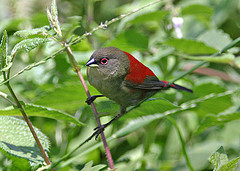 LCAbyssinian Crimsonwing12.2 gTinySeeds
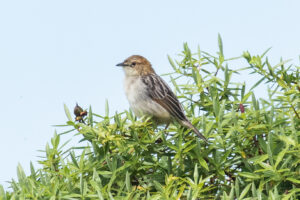 VUAberdare Cisticola24 gSmallInsects
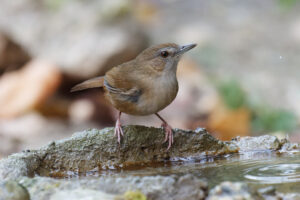 LCAbbott’s Babbler26.8 gSmallInsects
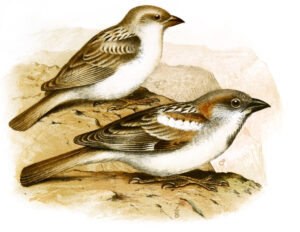 VUAbd al-Kuri Sparrow30.2 gSmallSeeds
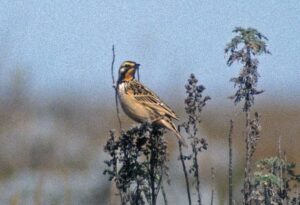 NTAbyssinian Longclaw45.1 gMediumInsects
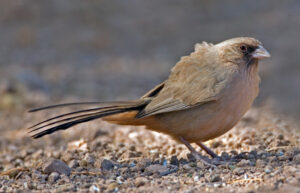 LCAbert’s Towhee45.9 gMediumInsects
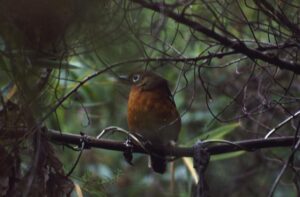 LCAbyssinian Ground Thrush51.1 gMediumMixed
The coloured tag on each bird is its main diet — which points to what to put out:
- Insects live food & suet
- Seeds seed
- Mixed mixed seed & scraps
How they compare
Every figure below is real data from the encyclopedia — handy because port size, perch and platform strength scale with the bird. Blanks mean we don’t hold that figure yet (never a guess).
| Bird | Weight | Size | Length | Diet |
|---|---|---|---|---|
| Aberrant Bush Warbler | 8 g | Tiny | — | Insects |
| Abyssinian Crimsonwing | 12.2 g | Tiny | — | Seeds |
| Aberdare Cisticola | 24 g | Small | — | Insects |
| Abbott’s Babbler | 26.8 g | Small | — | Insects |
| Abd al-Kuri Sparrow | 30.2 g | Small | — | Seeds |
| Abyssinian Longclaw | 45.1 g | Medium | — | Insects |
| Abert’s Towhee | 45.9 g | Medium | — | Insects |
| Abyssinian Ground Thrush | 51.1 g | Medium | — | Mixed |
Choosing a seed feeder: the main styles
Black-oil sunflower seed and sunflower hearts are taken by the widest range of garden birds; nyjer (thistle) seed is the draw for small finches, and a good mixed seed rounds it out.
Tube feeder
Best for Finches, tits and other small, agile birds
Good when You want to watch several birds at once and keep seed dry
Trade-off Small capacity; a fine-port “nyjer” version is the classic finch feeder
Hopper or “house” feeder
Best for A wide mix of garden species
Good when You’d rather refill less often and shelter seed from rain
Trade-off Bulkier; clean it out so old seed doesn’t sit in the base
Platform or tray feeder
Best for Ground-feeders like doves, sparrows and juncos
Good when You want almost any bird to be able to use it
Trade-off Seed is exposed to weather and droppings, so it needs cleaning more often
What to look for
- Comes apart easily for cleaning Dirty feeders spread disease — this matters more than any other feature.
- Drains well or has a rain guard So seed stays dry and doesn’t spoil.
- Capacity that matches your refilling Bigger isn’t better if seed sits and goes stale.
- Metal seed ports If squirrels or large parakeets chew through plastic ones.
- A baffle or pole-mount option If squirrels raid your garden.
Where to buy a seed feeder
Seed feeders
Our take
If you only buy one thing, get a tube or hopper feeder and fill it with sunflower hearts — it suits the widest range of garden songbirds.
Shop by what matters to you
- Tube feederFinches, tits and other small, agile birds (searches Amazon in a new tab)
- Hopper or “house” feederA wide mix of garden species (searches Amazon in a new tab)
- Platform or tray feederGround-feeders like doves, sparrows and juncos (searches Amazon in a new tab)
- See all seed feederBrowse the full range and compare current prices (searches Amazon in a new tab)
What to fill it with
- Sunflower hearts / black-oil sunflower
- The widest range of garden songbirds — the safest single choice.
- Nyjer (thistle) seed
- Small finches like goldfinches and siskins (needs a fine-port feeder).
- Good-quality mixed seed
- Sparrows, doves and a broad garden mix; avoid cheap mixes padded with filler.
Seed & feed
Handy extras
A few accessories make feeding cleaner, safer and squirrel-proofer — worth it once your feeder is busy.
Handy extras
Where to put it & keeping birds safe
Hang it within a few metres of a bush or tree so birds have cover to dart to, but not so close that a cat can hide right beside it. A spot you can see from a window makes it more rewarding. Clean and refresh feeders regularly — a quick scrub every week or two and fresh seed keeps the birds that visit healthy.
Do
- Clean feeders every week or two and let them dry before refilling.
- Offer fresh seed in small amounts the birds will clear quickly.
- Move the feeder if you see sick birds, and scrub it before reuse.
Don’t
- Don’t let wet seed cake in the base — it grows mould.
- Don’t buy bargain mixes bulked out with split peas and filler birds ignore.
- Don’t place a feeder where a cat can ambush from cover right beside it.
Through the seasons
Spring
Keep feeders clean as visits rise; offer sunflower hearts and a little live food for nesting birds.
Summer
Feed smaller amounts, keep water fresh, and clean often in the heat.
Autumn
Build up energy-rich seed as natural food drops away.
Winter
High-energy sunflower and fat are a lifeline; feed consistently through cold snaps.
Keep exploring
- See all songbirds in the encyclopedia →
- Identify a bird you’ve seen →
- Best Feeders for Jays & Larger Garden Birds →
- Best Hummingbird Feeders →
- Best Suet Feeders for Woodpeckers →
Birbs helps you choose — we don’t make or sell these products. The guidance here is general, and we only ever point to real listings (never invented prices or reviews).
Frequently asked questions
What is the best seed to attract the most birds?
Black-oil sunflower seed and sunflower hearts are eaten by the widest range of garden songbirds, which makes them the safest single choice. Add nyjer seed if you want to draw in small finches.
How do I stop squirrels taking all the seed?
Use a feeder with metal ports, add a baffle above or below it, or mount it on a dedicated squirrel-proof pole well away from anything they can jump from. No feeder is completely squirrel-proof, but these cut the raiding sharply.
How often should I clean a bird feeder?
Every week or two, and sooner if seed gets wet or droppings build up. Dirty feeders spread disease between birds, so easy cleaning is the feature that matters most.
Where should I put my feeder?
Within a few metres of cover so birds feel safe, visible from a window, and not right next to dense cover a cat could ambush from. Give it a week or two for birds to find it.