Best Suet Feeders for Woodpeckers
How to choose a suet feeder for woodpeckers — the styles compared, why a tail prop helps, and how to keep starlings off. A decision framework with the woodpecker species in the Birbs encyclopedia.
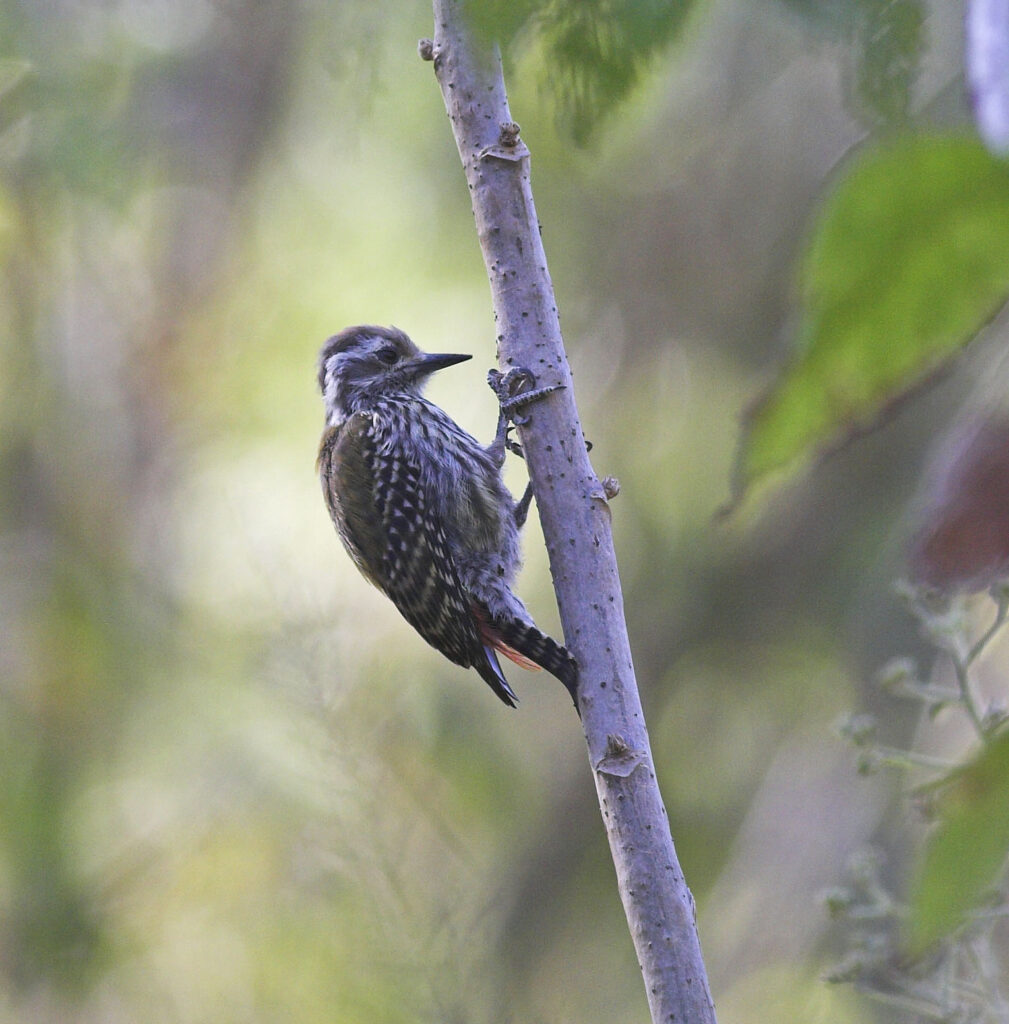
Woodpeckers are drawn to suet, and a suet feeder is the simplest way to bring them in. The main choices are the cage style and whether it helps a woodpecker brace its stiff tail while it feeds. The Birbs encyclopedia profiles 239 woodpecker species — here is how to choose a suet feeder, with no mystery picks.
The short answer
Start here If you only buy one thing, get a tail-prop suet feeder — the extended board lets a woodpecker brace its stiff tail and feed naturally.
- You get larger woodpeckersTail-prop suet feeder
- Starlings mob your suetUpside-down / caged suet feeder
- You just want simple and cheapBasic suet cage
From the encyclopedia
Real woodpecker species profiled on Birbs, with the data we actually hold. Tap any bird for its full profile.
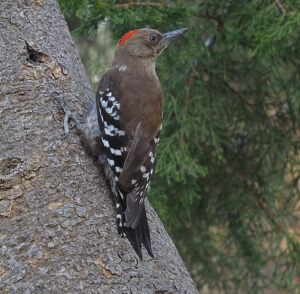 Arabian Woodpecker19.5 gSmallInsects
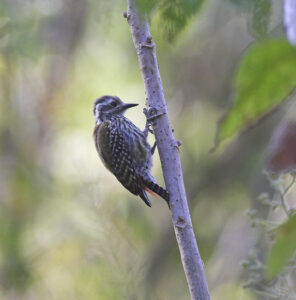 LCAbyssinian Woodpecker24.4 gSmallInsects
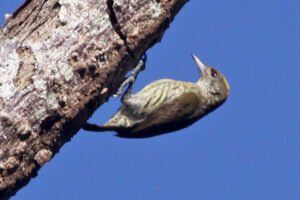 LCAntillean Piculet32.2 gSmallInsects
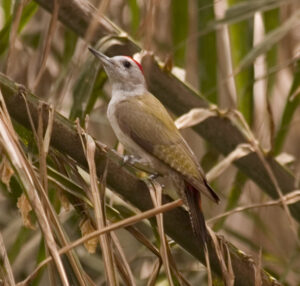 LCAfrican Grey Woodpecker44.5 gSmallInsects
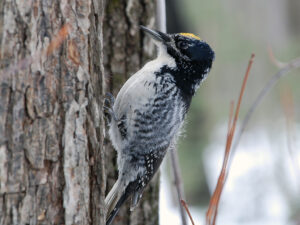 American Three-toed Woodpecker65.5 gMediumInsects
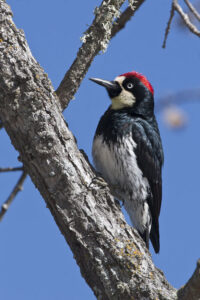 LCAcorn Woodpecker79.6 gMediumSeeds
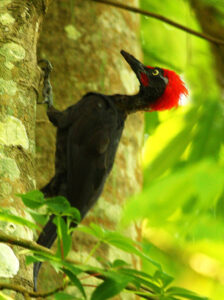 VUAndaman Woodpecker156 gMediumInsects
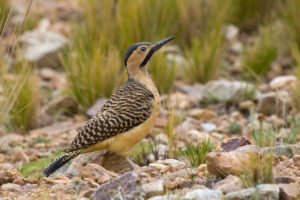 LCAndean Flicker174 gMediumInsects
The coloured tag on each bird is its main diet — which points to what to put out:
- Insects live food & suet
- Seeds seed
How they compare
Every figure below is real data from the encyclopedia — handy because port size, perch and platform strength scale with the bird. Blanks mean we don’t hold that figure yet (never a guess).
| Bird | Weight | Size | Length | Diet |
|---|---|---|---|---|
| Arabian Woodpecker | 19.5 g | Small | — | Insects |
| Abyssinian Woodpecker | 24.4 g | Small | — | Insects |
| Antillean Piculet | 32.2 g | Small | — | Insects |
| African Grey Woodpecker | 44.5 g | Small | — | Insects |
| American Three-toed Woodpecker | 65.5 g | Medium | — | Insects |
| Acorn Woodpecker | 79.6 g | Medium | — | Seeds |
| Andaman Woodpecker | 156 g | Medium | — | Insects |
| Andean Flicker | 174 g | Medium | — | Insects |
Choosing a suet feeder: the main styles
Load it with suet — high-fat cakes or blocks that woodpeckers (and nuthatches, tits and more) rely on, especially in cold weather. In hot weather choose “no-melt” suet, as plain suet can turn rancid.
Suet cage
Best for A simple, cheap start that holds a standard cake
Good when You want the easiest thing to refill
Trade-off No tail support, and starlings can use it too
Tail-prop feeder
Best for Bigger woodpeckers that brace their stiff tail
Good when You see woodpeckers struggle on a plain cage
Trade-off A little bulkier and pricier
Upside-down suet feeder
Best for Keeping starlings off
Good when Starlings dominate your feeders
Trade-off Birds feed from underneath, which some take time to learn
What to look for
- Vinyl-coated wire Kinder on birds’ feet than bare metal, and longer-lasting.
- A tail prop So larger woodpeckers can brace and feed comfortably.
- Easy to open and refill And easy to rinse clean between cakes.
- A starling-deterrent design Upside-down or fully caged, if starlings crowd your feeders.
Where to buy a suet feeder
Suet feeders
Our take
If you only buy one thing, get a tail-prop suet feeder — the extended board lets a woodpecker brace its stiff tail and feed naturally.
Shop by what matters to you
- Suet cageA simple, cheap start that holds a standard cake (searches Amazon in a new tab)
- Tail-prop feederBigger woodpeckers that brace their stiff tail (searches Amazon in a new tab)
- Upside-down suet feederKeeping starlings off (searches Amazon in a new tab)
- See all suet feederBrowse the full range and compare current prices (searches Amazon in a new tab)
What to fill it with
- Suet cakes / blocks
- Woodpeckers, nuthatches and tits — high-fat energy, prized in winter.
- No-melt suet
- The same birds in warm weather, without the cake turning rancid.
- Peanuts
- Woodpeckers and many others; offer whole nuts in a steel mesh feeder.
Suet & feed
Handy extras
A few accessories make feeding cleaner, safer and squirrel-proofer — worth it once your feeder is busy.
Handy extras
Where to put it & keeping birds safe
Mount it on a pole or fix it against a tree trunk where woodpeckers naturally forage. Offer suet mainly in cooler weather — it can spoil in heat unless it’s the no-melt kind — and clean the feeder between cakes.
Do
- Mount it on a trunk or pole where woodpeckers already forage.
- Switch to no-melt suet once the weather warms up.
- Rinse the cage between cakes.
Don’t
- Don’t offer plain suet in hot weather — it can turn rancid.
- Don’t use bare metal in freezing climates where tongues and feet can stick.
- Don’t give up if starlings move in — switch to an upside-down feeder.
Through the seasons
Spring
Keep suet going for nesting birds; switch toward no-melt as it warms.
Summer
Use no-melt suet only, in shade, and clean often.
Autumn
Return to high-fat suet as temperatures fall.
Winter
Suet is a cold-weather lifeline — feed consistently.
Keep exploring
- See all woodpeckers in the encyclopedia →
- Identify a bird you’ve seen →
- Best Bird Feeders for Garden Songbirds →
- Best Feeders for Jays & Larger Garden Birds →
- Best Hummingbird Feeders →
Birbs helps you choose — we don’t make or sell these products. The guidance here is general, and we only ever point to real listings (never invented prices or reviews).
Frequently asked questions
What attracts woodpeckers to a feeder?
Suet is the big draw, along with peanuts. A suet feeder placed on a trunk or pole, ideally with a tail prop, is the most reliable way to bring woodpeckers in.
How do I keep starlings off the suet?
Choose an upside-down or fully caged suet feeder. Woodpeckers and nuthatches will feed from underneath or reach through the cage; most starlings won’t persist.
Can I feed suet in summer?
Yes, but use “no-melt” suet and keep it in shade — plain suet can soften and turn rancid in the heat.