Herons, Egrets & Bitterns of Ecuador
22 herons, egrets and bitterns recorded in Ecuador on the eBird network and profiled in the Birbs encyclopedia — the full list, with photos, sounds and ID notes, plus what's near you now.
22 herons, egrets and bitterns have been recorded in Ecuador on eBird, the global citizen-science database run by the Cornell Lab of Ornithology, and carry a full profile in the Birbs encyclopedia. Every bird below is a member of this group — the family Ardeidae. Start with the well-known species, browse the complete list, then check which are being reported near you right now.
See birds reported near you → Get rare-bird alerts
Herons, Egrets & Bitterns of Ecuador to know first
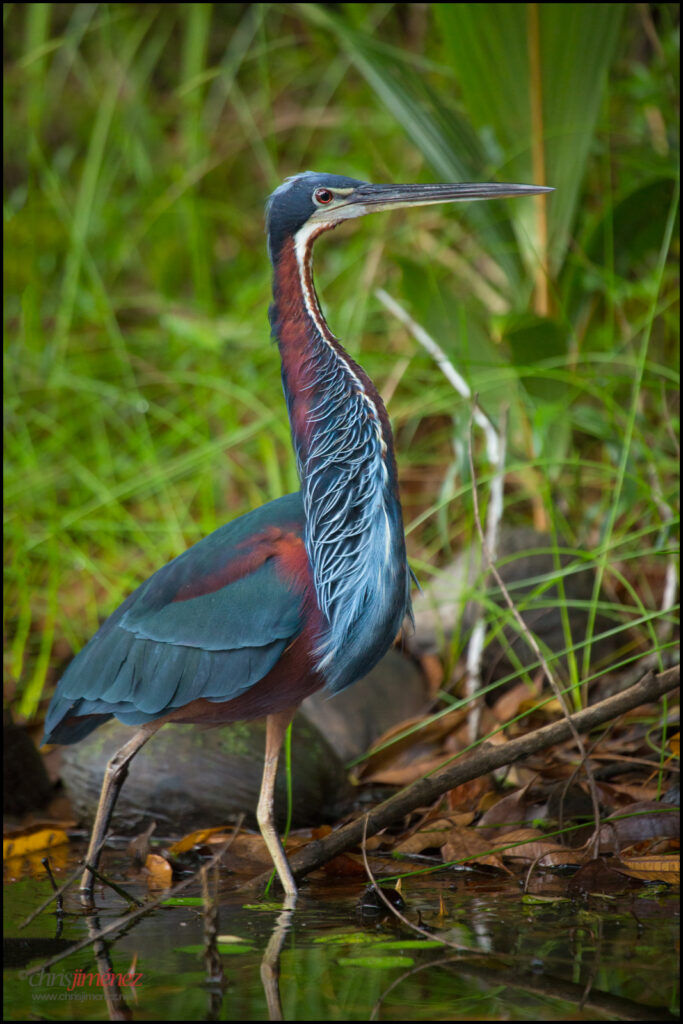
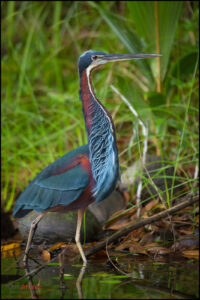 Agami HeronAgamia agami
 Black-crowned Night HeronNycticorax nycticorax
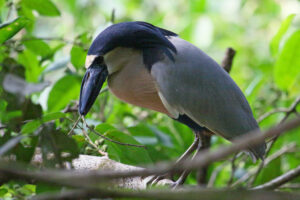 Boat-billed HeronCochlearius cochlearius
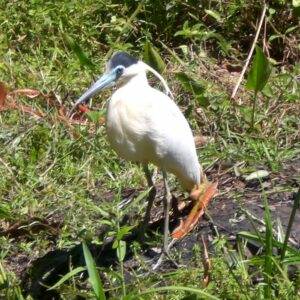 Capped HeronPilherodius pileatus
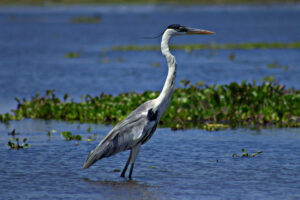 Cocoi HeronArdea cocoi
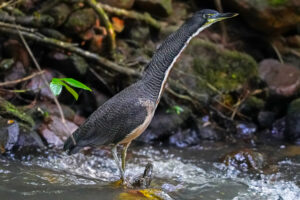 Fasciated Tiger HeronTigrisoma fasciatum
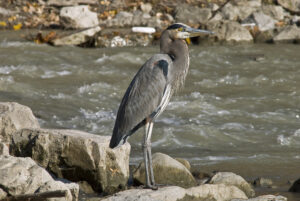 Great Blue HeronArdea herodias
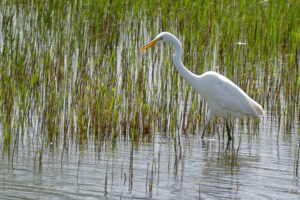 Great EgretArdea alba
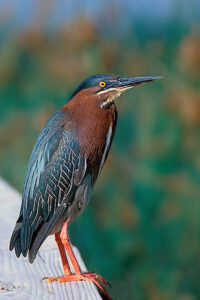 Green HeronButorides virescens
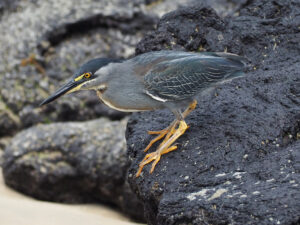 Lava HeronButorides sundevalli
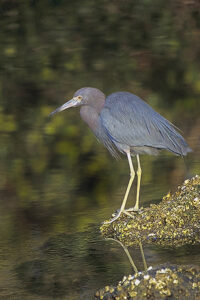 Little Blue HeronEgretta caerulea
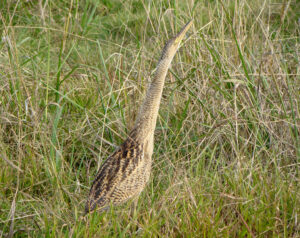 Pinnated BitternBotaurus pinnatus
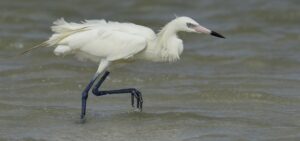 Reddish EgretEgretta rufescens
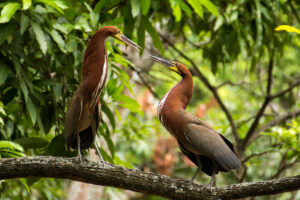 Rufescent Tiger HeronTigrisoma lineatum
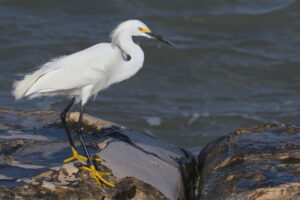 Snowy EgretEgretta thula
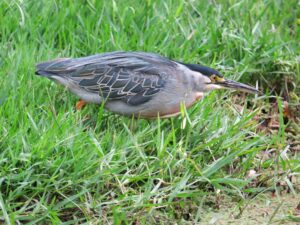 Striated HeronButorides striata
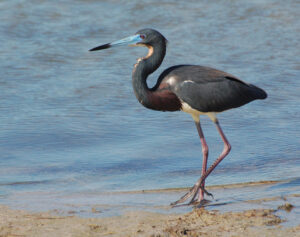 Tricolored HeronEgretta tricolor
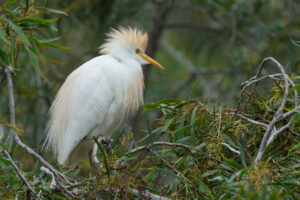 Western Cattle EgretArdea ibis
The full list — 22 herons, egrets and bitterns of Ecuador in our library
- Agami Heron
- Black-crowned Night Heron
- Boat-billed Heron
- Capped Heron
- Cocoi Heron
- Fasciated Tiger Heron
- Great Blue Heron
- Great Egret
- Green Heron
- Lava Heron
- Least Bittern
- Little Blue Heron
- Pinnated Bittern
- Reddish Egret
- Rufescent Tiger Heron
- Snowy Egret
- Striated Heron
- Tricolored Heron
- Western Cattle Egret
- Whistling Heron
- Yellow-crowned Night Heron
- Zigzag Heron
Keep exploring
- Birds of Ecuador
- Tyrant Flycatchers of Ecuador (202 species)
- Tanagers & Allies of Ecuador (177 species)
- Hummingbirds of Ecuador (130 species)
- Ovenbirds & Woodcreepers of Ecuador (105 species)
- Antbirds of Ecuador (94 species)
- Parrots, Cockatoos & Allies of Ecuador (50 species)
- Hawks, Eagles & Kites of Ecuador (46 species)
- Sandpipers & Allies of Ecuador (38 species)
- Gulls, Terns & Skimmers of Ecuador (37 species)
- New World Blackbirds & Orioles of Ecuador (35 species)
- New World Warblers of Ecuador (34 species)
- Woodpeckers of Ecuador (34 species)
- Owls of Ecuador (29 species)
- Pigeons & Doves of Ecuador (29 species)
- Rails, Crakes & Coots of Ecuador (28 species)
- Cotingas of Ecuador (27 species)
- New World Sparrows of Ecuador (26 species)
- Ducks, Geese & Swans of Ecuador (25 species)
- Wrens of Ecuador (25 species)
- Thrushes of Ecuador (22 species)
- True Finches of Ecuador (20 species)
- Cardinals & Grosbeaks of Ecuador (19 species)
- Falcons of Ecuador (19 species)
- Swallows & Martins of Ecuador (19 species)
- Vireos of Ecuador (19 species)
Herons, Egrets & Bitterns in other regions
- Herons, Egrets & Bitterns of Brazil (24 species)
- Herons, Egrets & Bitterns of India (24 species)
- Herons, Egrets & Bitterns of Indonesia (24 species)
- Herons, Egrets & Bitterns of Colombia (23 species)
- Herons, Egrets & Bitterns of Malaysia (22 species)
- Herons, Egrets & Bitterns of the Philippines (22 species)
- Herons, Egrets & Bitterns of the United States (22 species)
- Herons, Egrets & Bitterns of Australia (21 species)
- Herons, Egrets & Bitterns of Peru (21 species)
- Herons, Egrets & Bitterns of South Africa (21 species)
- Herons, Egrets & Bitterns of Tanzania (21 species)
- Herons, Egrets & Bitterns of Thailand (21 species)
Species and counts come from the eBird network; "recorded" means reported by birders to eBird. Family grouping follows the IOC World Bird List. Tap any bird for its full profile.
Frequently asked questions
How many herons, egrets and bitterns are found in Ecuador?
22 herons, egrets and bitterns that we profile appear on Ecuador's eBird-reported checklist. The full A–Z list is on this page; the real total can shift as eBird records are added.
Are all of these herons, egrets and bitterns really found there?
Yes — each one is on Ecuador's eBird checklist (reported by birders to the Cornell Lab's eBird), and each of these herons, egrets and bitterns belongs to the family group named on this page. We don't rank them by abundance, because that varies by season and locale.
Where can I see herons, egrets and bitterns in Ecuador right now?
Use Birds Near You for live, location-based reports, or turn on rare-bird alerts to hear when a notable one shows up close to you.