How to Attract Cedar Waxwing to Your Yard
How to attract Cedar Waxwing to your yard — the habitat, water and plantings that bring them in (they aren't a seed-feeder bird), plus nesting help.
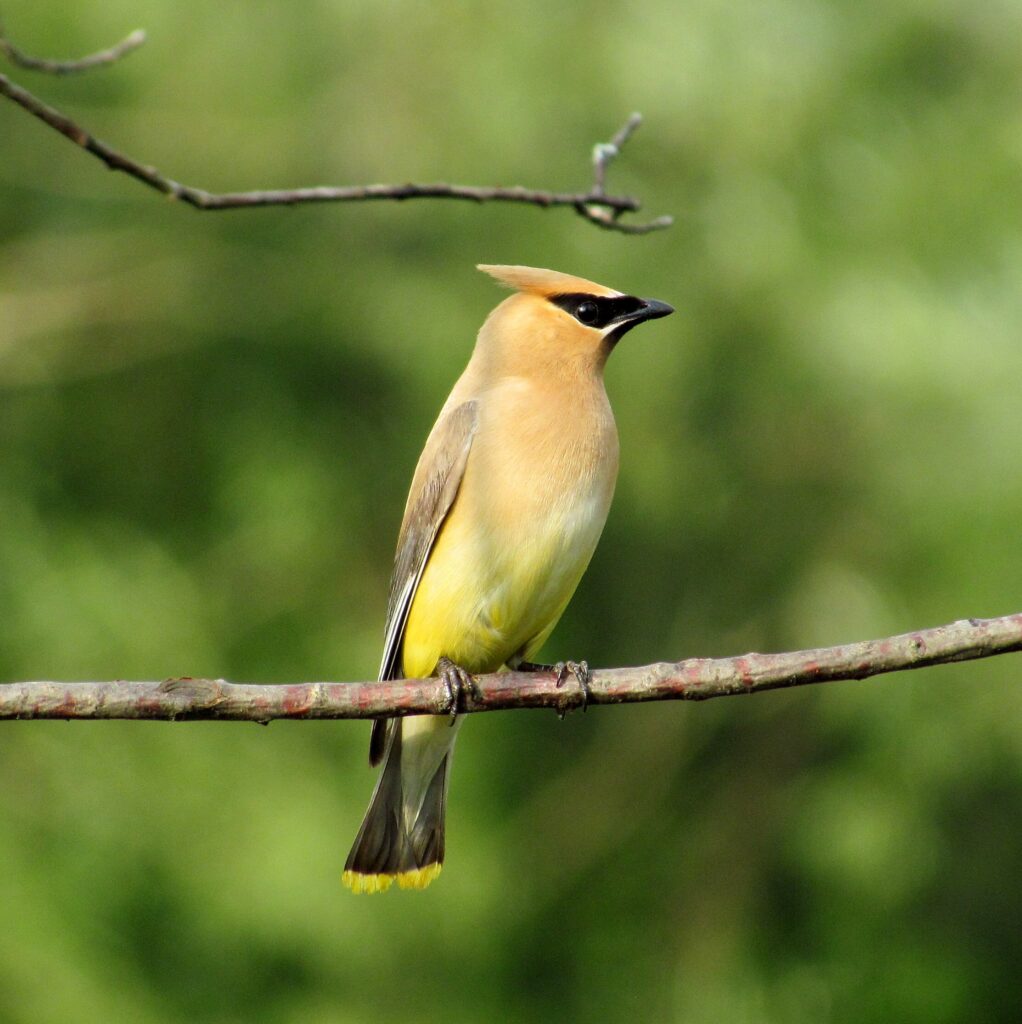
Want to bring Cedar Waxwing (Bombycilla cedrorum) to your yard? Here is the honest, data-backed version — the feeders and food they actually use, whether they will take a nest box, and the habitat that keeps them coming back. Every recommendation is drawn from real bird-science sources (the Cornell Lab, Audubon and their peers), not guesswork.
Does Cedar Waxwing visit feeders?
Cedar Waxwing does not typically come to seed feeders. Rather than a feeder, the way to attract it is the right habitat, water and plantings — see below.
How to attract Cedar Waxwing to your yard
Plant native fruiting trees and shrubs (serviceberry, dogwood, juniper/red cedar, mountain ash, hawthorn, crabapple, winterberry); they specialize in fruit year-round and travel in flocks chasing berry crops. A birdbath or water source also draws them.
See it near you
For the full profile — photos, sounds, range and ID — see the Cedar Waxwing species page. To find where it is being reported right now, use Birds Near You.
Frequently asked questions
Does Cedar Waxwing come to bird feeders?
Not usually — Cedar Waxwing is not a typical seed-feeder visitor. Attract it with the right habitat, water and plantings instead.
Will Cedar Waxwing use a nest box?
No — Cedar Waxwing is not a cavity nester and will not use a nest box. It builds an open nest, so cover and habitat help more.