How to Attract Eastern Bluebird to Your Yard
The honest, data-backed way to attract Eastern Bluebird to your yard — the feeders and food they actually use (mealworms), nesting help, and habitat that brings them in.
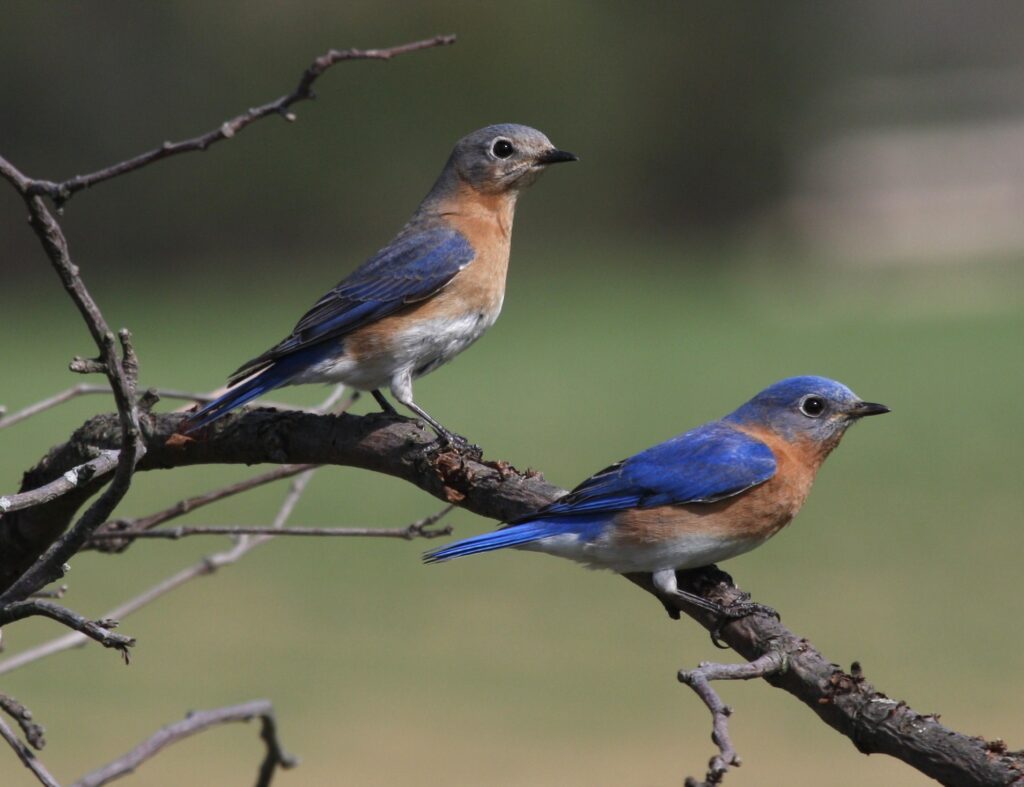
Want to bring Eastern Bluebird (Sialia sialis) to your yard? Here is the honest, data-backed version — the feeders and food they actually use, whether they will take a nest box, and the habitat that keeps them coming back. Every recommendation is drawn from real bird-science sources (the Cornell Lab, Audubon and their peers), not guesswork.
The best feeders for Eastern Bluebird
Rarely takes seed; the reliable draw is live or dried mealworms offered on a flat open tray or a dedicated mealworm/bluebird feeder (a covered dish or caged domed feeder that admits bluebirds while excluding larger birds). Will also take suet, fruit/berries, and hulled sunflower seeds/hearts, but mealworms are by far the most dependable feeder food (Cornell/FeederWatch).
Feeder styles that work for this bird:
- platform / tray feeder
- mealworm feeder
Platform & peanut feeders
Our take
If you only buy one thing, get a sturdy platform feeder and set it a little apart from your small-bird feeders so big birds don’t crowd them out.
Shop by what matters to you
- Platform or tray feederVersatile feeding — peanuts, kibble and scraps (searches Amazon in a new tab)
- Peanut feederOffering whole peanuts slowly (searches Amazon in a new tab)
- Ground feeder or cageBirds that naturally feed on the ground (searches Amazon in a new tab)
- See all platform or peanut feederBrowse the full range and compare current prices (searches Amazon in a new tab)
What to feed Eastern Bluebird
The foods this species takes most readily:
- mealworms
- suet
- fruit
- sunflower hearts
- berries
Peanuts & feed
Will Eastern Bluebird use a nest box?
Yes — Eastern Bluebird is a cavity nester that will take a correctly-sized nest box. Use these NestWatch dimensions (the entrance-hole size is what keeps larger competitors out):
| Entrance hole | 1 1/2 inches |
|---|---|
| Floor (inside) | 5 1/2 x 5 1/2 |
| Box height | 9 (inside depth) |
| Mounting height | 4-6 feet |
Give the box a rough or grooved interior below the hole so chicks can climb out, ventilation and drainage holes, and no outside perch (perches only help predators and competitors).
How to attract Eastern Bluebird to your yard
Open country with scattered trees and short grass (lawns, pastures, fields, cemeteries, golf courses). Mount a nest box on a pole with a predator baffle in the open, away from dense woods and buildings; face it toward open habitat. A birdbath and native fruiting/berry plants (e.g. dogwood, sumac, holly, elderberry) support them in fall/winter.
See it near you
For the full profile — photos, sounds, range and ID — see the Eastern Bluebird species page. To find where it is being reported right now, use Birds Near You.
Frequently asked questions
What is the best feeder for Eastern Bluebird?
Rarely takes seed; the reliable draw is live or dried mealworms offered on a flat open tray or a dedicated mealworm/bluebird feeder (a covered dish or caged domed feeder that admits bluebirds while excluding larger birds). Will also take suet, fruit/berries, and hulled sunflower seeds/hearts, but mealworms are by far the most dependable feeder food (Cornell/FeederWatch).
What do you feed Eastern Bluebird?
Eastern Bluebird readily takes mealworms, suet, fruit, sunflower hearts and berries.
Will Eastern Bluebird use a nest box?
Yes. Eastern Bluebird is a cavity nester that will use a box with a 1 1/2 inch entrance hole (see the dimensions on this page).