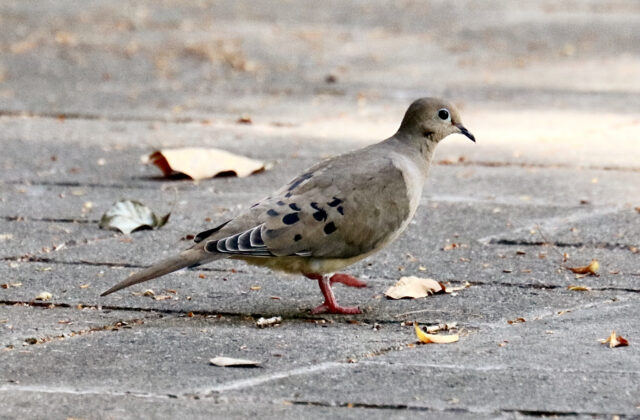
How to Attract Mourning Dove to Your Yard
The honest, data-backed way to attract Mourning Dove to your yard — the feeders and food they actually use (white proso millet), nesting help, and habitat that brings them in.
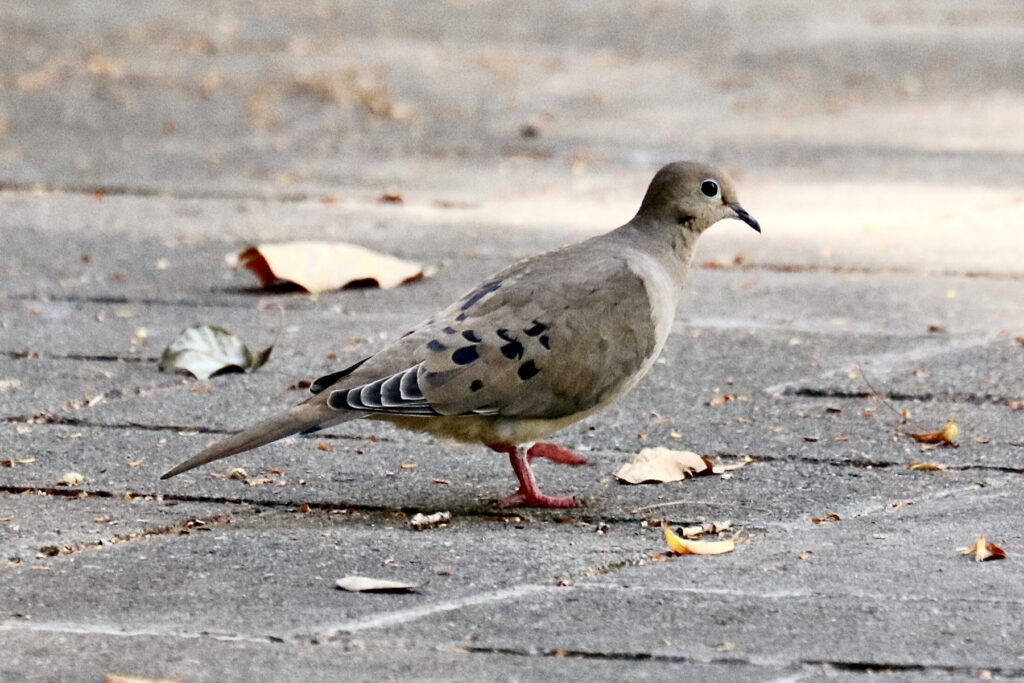
Want to bring Mourning Dove (Zenaida macroura) to your yard? Here is the honest, data-backed version — the feeders and food they actually use, whether they will take a nest box, and the habitat that keeps them coming back. Every recommendation is drawn from real bird-science sources (the Cornell Lab, Audubon and their peers), not guesswork.
The best feeders for Mourning Dove
Almost exclusively a seed-eater (~99% of diet per Audubon) that forages on the ground; it comes to platform/tray feeders and to seed scattered on the ground below feeders rather than to hanging or tube feeders. Scatter millet, or mix cracked corn with millet, on the ground or a broad platform. Milo/sorghum is a low-preference filler most feeder birds reject, but ground-feeding doves are among the few species that will take it.
Feeder styles that work for this bird:
- ground / scattered seed
- platform / tray feeder
Platform & peanut feeders
Our take
If you only buy one thing, get a sturdy platform feeder and set it a little apart from your small-bird feeders so big birds don’t crowd them out.
Shop by what matters to you
- Platform or tray feederVersatile feeding — peanuts, kibble and scraps (searches Amazon in a new tab)
- Peanut feederOffering whole peanuts slowly (searches Amazon in a new tab)
- Ground feeder or cageBirds that naturally feed on the ground (searches Amazon in a new tab)
- See all platform or peanut feederBrowse the full range and compare current prices (searches Amazon in a new tab)
What to feed Mourning Dove
The foods this species takes most readily:
- white proso millet
- cracked corn
- black-oil sunflower seeds
- milo
Peanuts & feed
How to attract Mourning Dove to your yard
Not a cavity nester: builds a flimsy open platform of twigs amid dense foliage in an evergreen, orchard tree, or shrub (usually under 40 ft up, occasionally on the ground), so it will not use an enclosed box. Attract by scattering millet/cracked corn on the ground or a platform feeder and planting dense shrubs or evergreens for nesting cover; a nesting cone mounted before breeding season may be used.
See it near you
For the full profile — photos, sounds, range and ID — see the Mourning Dove species page. To find where it is being reported right now, use Birds Near You.
Frequently asked questions
What is the best feeder for Mourning Dove?
Almost exclusively a seed-eater (~99% of diet per Audubon) that forages on the ground; it comes to platform/tray feeders and to seed scattered on the ground below feeders rather than to hanging or tube feeders. Scatter millet, or mix cracked corn with millet, on the ground or a broad platform. Milo/sorghum is a low-preference filler most feeder birds reject, but ground-feeding doves are among the few species that will take it.
What do you feed Mourning Dove?
Mourning Dove readily takes white proso millet, cracked corn, black-oil sunflower seeds and milo.
Will Mourning Dove use a nest box?
No — Mourning Dove is not a cavity nester and will not use a nest box. It builds an open nest, so cover and habitat help more.