Cockatiel Care Guide: Diet, Lifespan, Housing & Health
A vet-informed care guide for the Cockatiel — a beginner-level companion bird that can live 15-25 years. Housing, diet (and toxic foods to avoid), temperament, health and enrichment.
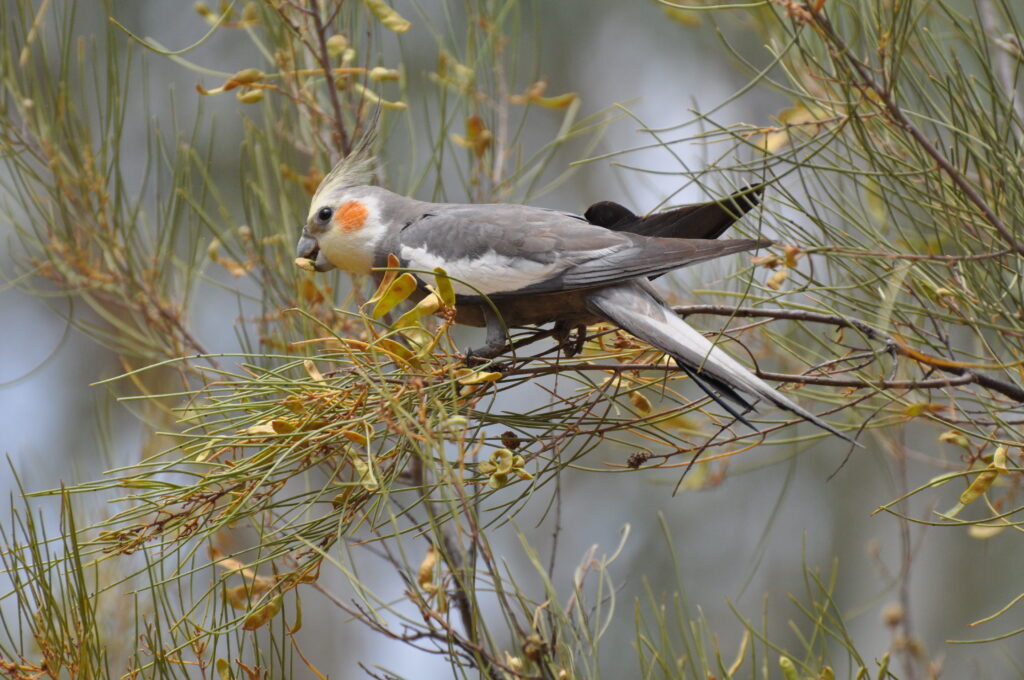
The Cockatiel (Nymphicus hollandicus) is a beginner-level companion bird that can live around 15-25 years — a long commitment. Here is how to care for one properly: housing, diet, health, temperament and enrichment, based on avian-veterinary guidance.
Quick facts
| Care level | Beginner |
|---|---|
| Lifespan | 15-25 years |
| Adult size | 30-33 cm (VCA cites ~32 cm / 12.5 in) |
| Noise level | Moderate |
| Talking ability | Some |
| Best for | First-time keepers, families with children, apartment dwellers wanting a quieter parrot. |
Housing a Cockatiel
Minimum recommended cage: 60 x 60 x 90 cm (24 x 24 x 36 in) per bird; bar spacing 1.0-1.3 cm (about 1/2 in) or less — spacing above ~1.3 cm risks head entrapment. Bigger is always better — birds fly horizontally, so width matters more than height. Provide varied natural-wood perches of different diameters, and place the cage in a social, draught-free part of the home away from the kitchen (cooking fumes, especially from non-stick cookware, are deadly to birds).
What to feed a Cockatiel
Staple: Formulated pellets as the base (roughly 60-70% of diet) with only a limited amount of a quality seed mix; cuttlebone/mineral block for calcium.
Fresh foods: Daily dark leafy greens and vegetables (kale, chard, carrot, squash, bell pepper, broccoli) plus small amounts of fruit.
Foods that are toxic to your Cockatiel — never feed these
Avocado, chocolate/cocoa, caffeine (coffee, tea, cola), alcohol, onion, garlic, fruit pits/apple seeds, salty and sugary/junk foods.
Temperament & social needs
Gentle, affectionate, easily hand-tamed; males are strong whistlers while talking is limited and often unclear.
Highly social flock bird; needs daily interaction and several hours of supervised out-of-cage time. Can be kept singly with attentive owners or in compatible pairs/groups.
Enrichment
Foraging toys, shreddables and chewables; mirrors only sparingly (can trigger obsessive behaviour/regurgitation); enjoys regular bathing/misting 1-2x weekly.
Common health problems in Cockatiel
Psittacosis (Chlamydia psittaci), Giardia (loose stool, itching/self-mutilation and feather-plucking under wings), egg-binding/chronic egg-laying in hens, fatty liver disease and obesity from all-seed diets, respiratory disease.
Birds hide illness until they are seriously unwell — a bird that looks "off" is an emergency. Establish care with an avian vet before you need one, and schedule an annual well-bird check.
Setup essentials
Birbs.com may earn a commission from qualifying purchases made through links on this page, at no extra cost to you.
In the wild
The Cockatiel is also a wild bird — see the Cockatiel species profile for its natural range, behaviour and conservation status.
Frequently asked questions
How long do Cockatiel live?
With good care a Cockatiel typically lives 15-25 years — a long-term commitment.
Is a Cockatiel a good pet for beginners?
It is rated Beginner-level. Cockatiels suit first-time keepers, families with children, apartment dwellers wanting a quieter parrot.
What can Cockatiel not eat?
Never feed a Cockatiel: Avocado, chocolate/cocoa, caffeine (coffee, tea, cola), alcohol, onion, garlic, fruit pits/apple seeds, salty and sugary/junk foods.. These are toxic to birds.
Sources & further reading
- VCA Animal Hospitals — Cockatiels: General Information (opens in a new tab)
- VCA Animal Hospitals — Common Conditions of Pet Birds (opens in a new tab)
- Lafeber Co. — Cockatiel species profile (opens in a new tab)
- Merck Veterinary Manual — Parasitic and Digestive Disorders of Pet Birds (Giardia, egg-binding) (opens in a new tab)
- IOC World Bird List — Nymphicus hollandicus (Kerr, 1792), family Cacatuidae