What to Feed a Parrot: Diet Guide and Toxic Foods to Avoid
What to feed a pet parrot: how much pellet, vegetable, fruit and seed, which foods are toxic, and how to safely switch a seed-eating bird to a better diet.
Most pet parrots do best on a pelleted food as the base of the diet, with fresh vegetables, a little fruit, and seeds and nuts as treats. A diet of mostly seed is a common and harmful mistake. The Merck Veterinary Manual says poor diets remain a major problem and links malnutrition to liver and kidney disease, respiratory and bone problems, and reproductive disorders.
This guide covers how much of each food to offer, which birds need something different, what never to feed and how to change your bird’s diet safely. Your avian vet can tailor the numbers to your bird.
How much pellet, vegetable, fruit and seed?
Respected sources agree on the shape of a good diet but not on exact percentages:
| Source | Pellets | Vegetables and fruit | Seeds and nuts |
|---|---|---|---|
| VCA (Amazon parrots) | 60 to 70% | 30 to 40%, fruit no more than 10% | Minimal seeds, if any; a couple of tree nuts a day |
| Prof Bob Doneley, avian specialist | 60% | 40% vegetables, fruit as a treat | Treats only |
| RSPCA | 75% | 25% | Very small amounts, occasionally |
| Best Friends Animal Society | 50 to 70% | 30 to 50% fresh food | Fruit, seeds and nuts no more than 10 to 20% in total |
| VCA (budgies) | 60 to 80% | 20 to 25% at most | A very small part |
They differ for good reason. Merck notes that the exact needs of many species are not fully known, and Doneley points out that parrots evolved in very different climates, from arid-zone budgies to rainforest macaws. So no single recipe suits them all, and he adds that a diet of 100% pellets is rarely healthy either.
Why seed mixes fall short
Parrots love seed for the same reason people love fast food. Doneley notes that sunflower seeds are 49% fat. According to the RSPCA, seed mixes are high in fat, energy and omega-6 fatty acids, and low in calcium, several vitamins and essential amino acids. Wild parrots fly long distances every day and need those calories. Pet parrots don’t.
A seed-heavy diet is linked to:
- Obesity, which raises the risk of arthritis, fatty liver disease and heart disease. Merck says galahs, macaws, Amazons and Quaker parrots are especially prone.
- Vitamin A deficiency, common but often overlooked. Signs include nasal discharge, sneezing, swelling around the eyes, poor feathers and sore feet.
- Iodine deficiency, which causes goitre, with wheezing, clicking and changes in voice.
- Calcium and vitamin D imbalance, which can cause soft, easily broken bones.
Simply adding pellets to a bowl of seed is not enough, because birds typically pick out the seeds and nuts and leave the pellets. Seed that has been badly stored and peanuts in the shell can also grow mould that damages the liver.
Small parrots: the important exception
“Pellets only” is not the right goal for every parrot. The Association of Avian Veterinarians warns that small parrots, especially budgies but also parrotlets, lovebirds and cockatiels, can have kidney problems on a pellet-only diet. For these birds it recommends free-choice pellets plus some seed as a meal each day. The RSPCA also says they need some seed daily, at no more than a tenth of the diet, alongside free access to pellets, vegetables and fruit.
Species guides with more detail: budgerigar and cockatiel. For a new budgie, see Budgie Care 101.
Birds that need a different plan
- Lories and lorikeets are nectar feeders. The RSPCA says they need a special nectar diet with fruit and vegetables, and the AAV says nectar must be fresh and replaced often. Doneley warns that pet lorikeets gain weight easily, and suggests small amounts of a commercial lorikeet diet with low-glycaemic fruit and vegetables. See our rainbow lorikeet guide.
- Iron-sensitive birds: Merck says lories, lorikeets, mynahs and toucans are prone to iron storage disease. They should have a low-iron diet and no citrus, because vitamin C increases iron uptake.
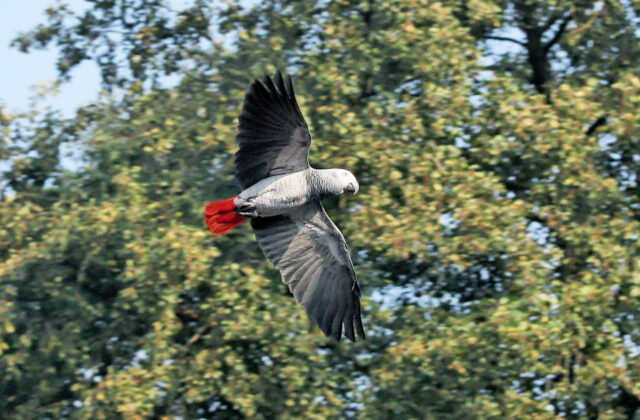
- African greys can develop dangerously low blood calcium, more often on all-seed diets, with weakness, tremors and seizures. Merck says treatment includes exposure to sunlight or UV bulbs designed for birds. See our African grey guide.
- Macaws are especially sensitive to high levels of vitamin D, so Merck advises against excess supplements.
- Birds that are young, stressed, injured, laying eggs or raising chicks may have special needs. Ask your vet.
Choosing and using pellets
- Match the size and life stage. VCA notes that pellets come in different shapes, sizes and formulations, including some for specific diseases. Your avian vet can suggest one.
- Be sceptical of labels. VCA warns that “Complete Avian Nutrition” claims can mislead, because no regulatory body certifies bird foods.
- Check the ingredients. Best Friends advises choosing pellets without added sugar or dyes.
- Do not give up after one brand. If your bird refuses a pellet, the RSPCA suggests trying another shape, size, colour or flavour.
The best vegetables and fruit
Choose colourful vegetables. VCA recommends orange, red and yellow vegetables such as squash, carrots, peppers and sweet potatoes, which supply vitamin A. Merck’s list of vitamin A-rich foods includes cantaloupe, papaya, chilli peppers, broccoli leaves and florets, sweet potatoes, turnip greens, collards, endive, beets, dandelion greens and spinach. Pale, watery vegetables such as iceberg lettuce and celery offer very little.
Fruit is high in sugar, so keep it small. Doneley suggests lower-glycaemic fruit such as apples, apricots, bananas, grapes, kiwis, peaches, pears, plums and strawberries, rather than watermelon.
- Wash everything well to remove chemicals, and cut it to a size your bird can hold. Skin can stay on.
- Serve it in a separate dish, and remove fresh food within a couple of hours. The AAV says to feed cooked food only if you can remove what is left within an hour.
- If your bird fixates on one item, reduce it or stop it for a while so that it tries other foods.
- Healthy table foods should be 25% or less of the diet.
Foods parrots should never eat
Agreed by the sources we checked
- Avocado. Pet Poison Helpline says it can cause sudden death and has no antidote. NC State says all parts contain persin, including the skin, flesh and especially the pit.
- Chocolate, in any form.
- Caffeine: coffee, tea and caffeinated soft drinks.
- Alcohol.
- Very salty foods: crisps, pretzels and the like.
These appear in the guidance from the AAV and VCA; the chocolate and caffeine details come from RSPCA Australia. VCA’s Amazon page adds processed foods and fatty meats, and its budgie page adds foods cooked with butter or oil.
Also listed as dangerous or never to feed
- Onion and garlic. RSPCA Australia and Best Friends both list them. Best Friends adds scallions.
- Mouldy or spoiled food, including mouldy peanuts, which can contain aflatoxin.
- Fruit pits and seeds. Best Friends lists them. VCA rules out cherry pits, and the RSPCA specifies de-seeded apples.
- Mushrooms, cassava (tapioca) and uncooked beans, according to Best Friends. VCA lists cooked beans as suitable.
- Aubergine (eggplant) stems and leaves. NC State says birds can eat the fruit, but the plant contains solanine.
- Wild berries you cannot identify. The RSPCA notes that some native berries are poisonous.
Where sources disagree: meat and dairy
VCA says some birds occasionally enjoy a small amount of lean cooked meat, fish, egg or cheese, with dairy limited because birds are lactose intolerant. Best Friends lists meat and dairy among foods to avoid. Because sources disagree, leaving them out is the cautious choice. If your bird has eaten something dangerous, call your avian vet at once, then see our bird first aid guide.
Water, supplements and grit
- Water: fresh and clean at all times. The AAV says to wash dishes daily with soap and hot water or in a dishwasher, because rinsing alone does not remove bacteria.
- Supplements: Merck says birds eating mainly pellets usually need none unless a vet recommends them. Do not add them to water, which can put birds off drinking, or sprinkle them on seed, because the powder falls away with the hull. Use moist food. Large doses of vitamin A can cause bone and liver problems.
- Grit: not needed. VCA explains that parrots hull their seeds, and overeating grit can cause life-threatening blockages. Avoid sandpaper perches for the same reason.
How to switch a seed-eating parrot to a better diet
Many parrots do not recognise pellets as food at first. See your avian vet before you start, as the RSPCA advises, so you know your bird is healthy enough for the change. The AAV also says to convert with your vet’s help.
Three safety rules
- Weigh your bird on a gram scale. The RSPCA suggests every morning before feeding, and to talk to your vet if the weight changes.
- Watch the droppings. A change in colour, consistency, number or amount can mean that your bird is sick.
- Never remove all seed until the new food is being eaten, as VCA warns. Doneley adds that a bird that looks unwell or passes small black droppings may be starving and should be given seed immediately.
Method 1: the gradual swap
VCA’s method starts with 90% seed and 10% pellets, reducing the seed and increasing the pellets by another 10% each day, and filling the dish only a quarter full. If your bird is still not eating pellets near the end, restart in about a month with a different pellet.
Method 2: the measured mash
Doneley’s method is to measure how much seed your bird really eats in 24 hours over 3 to 4 days. Then feed only that amount, mixed with an equal amount of pellets and thawed mixed vegetables, and remove a pinch of seed each day. He says most birds are eating the new diet after 2 to 3 weeks, though some take longer.
Method 3: training sessions
For tame birds, the RSPCA suggests two or three sessions of about 15 minutes a day. Give the usual food first thing, then remove it for no more than an hour. Sit with your bird away from the cage and offer warm, soft food on a spoon, such as pellets mashed in warm water. Put the usual food back afterwards. Over time, offer the new food unmashed and at room temperature, then slowly replace the old food.
Tricks that help
- Eat, or pretend to eat, the new food in front of your bird.
- Grind pellets and mix them with a favourite food.
- Offer pellets first thing in the morning, when your bird is hungriest.
- Wrap pellets in paper or hide them in small cardboard boxes so your bird can tear them apart.
- Convert two birds together: competition often speeds things up.
- For budgies, scatter pellets on a mirror, white paper or a flat surface.
Make meals work for your bird
NC State notes that wild parrots spend most of their time searching for food. Several small meals a day, puzzle toys, greens hung from the cage and food hidden in objects all encourage natural foraging. The RSPCA adds ice blocks with food inside and the occasional whole nut to crack. If you do use seed, check that your bird is eating it: empty husks can look like seed, which can leave a bird starving beside a full-looking bowl.
Signs that the diet is causing problems
See your avian vet about poor feather quality, feather plucking, sneezing, swelling around the eyes, sore feet, or more thirst and urination. The AAV says to get help at once for nasal discharge, abnormal breathing sounds, a big change in eating or drinking, or seizures and other neurological signs. It treats a weight change of about 10% either way as a reason for a visit, and Merck considers a bird obese at 20% over its ideal weight.
About this guide
Birbs Editorial compiled this guide from the sources listed below, which we read in November 2026. It has not been individually reviewed by a veterinarian and does not replace one. Ask your avian vet before making major changes to your bird’s diet.
Birds in this guide
 Near Threatened
 Endangered
 Least Concern
Birb mood:
the chatty pocket parrot
Frequently asked questions
What is the best food for a pet parrot?
A pelleted food suited to your bird's size, with vegetables and a small amount of fruit. The AAV calls commercial formulated diets the easiest way to feed a balanced diet. Your avian vet can suggest a type and the right proportions for your species.
Are seeds bad for parrots?
As a main diet, yes. Merck links seed and nut diets to obesity, vitamin A deficiency and bone problems. As a small treat or training reward they are fine, and small parrots such as budgies and cockatiels need some seed each day.
Is avocado poisonous to parrots?
Yes. Pet Poison Helpline says owners should never feed it because it can cause sudden death, and it has no antidote. NC State says all parts contain the toxin persin, including the skin, flesh and pit.
Can parrots eat peanuts?
Avoid them. Peanuts can grow mould containing aflatoxin, which NC State says birds are much more sensitive to than people, and Merck warns about peanuts in the shell. Best Friends also lists peanuts as a food to avoid.
Can parrots eat apples, bananas and grapes?
Yes, in small amounts. All three are on VCA's list of suitable foods, and Professor Bob Doneley lists them among lower-glycaemic fruits. Remove apple seeds and fruit pits. Fruit is high in sugar, so treat it as a treat.
Do parrots need grit?
No. VCA explains that parrots remove seed hulls before eating, so they do not need it, and birds that overeat grit can develop life-threatening blockages. Sandpaper perches are a hidden source of grit and are not recommended either.
Do parrots need vitamin supplements?
Usually not if they eat mainly pellets, according to Merck. Birds on seed diets may need them during a switch. Put powders on moist food rather than seeds or water, and do not give high doses without a vet: too much vitamin A or D can cause harm.
How long does it take to switch a parrot from seeds to pellets?
Estimates range from 2 to 3 weeks for most birds (Doneley) to weeks or even months (RSPCA and VCA). Go gradually with your vet's help, and weigh your bird on a gram scale so you can catch any weight loss early.
Can parrots eat meat or cheese?
Sources disagree. VCA says some birds occasionally enjoy a small amount of lean cooked meat, fish, egg or cheese, with dairy only in tiny amounts because birds are lactose intolerant. Best Friends lists meat and dairy as foods to avoid. If in doubt, leave them out and ask your vet.
Sources & further reading
- Merck Veterinary Manual — Nutritional Disorders of Pet Birds (opens in a new tab)
- Association of Avian Veterinarians — Basic Care for Companion Birds (PDF) (opens in a new tab)
- Association of Avian Veterinarians — Signs of Illness in Companion Birds (PDF) (opens in a new tab)
- Veterinary Partner (VIN) — Diets for Healthy Parrots (Doneley) (opens in a new tab)
- VCA Animal Hospitals — Amazon Parrots: Feeding (opens in a new tab)
- VCA Animal Hospitals — Budgies: Feeding (opens in a new tab)
- NC State Veterinary Hospital — Parrot Nutrition (opens in a new tab)
- RSPCA — What to Feed Your Pet Bird (opens in a new tab)
- RSPCA Australia — What Kind of Enclosure Does My Bird Need? (Doneley) (opens in a new tab)
- RSPCA Australia — Household Hazards (opens in a new tab)
- Pet Poison Helpline — Top 5 Toxins in Companion Birds (opens in a new tab)
- Best Friends Animal Society — The Best Parrot Diet (and Toxic Foods to Avoid) (opens in a new tab)