Domestic Canary Care Guide: Diet, Lifespan, Housing & Health
A vet-informed care guide for the Domestic Canary — a beginner-level companion bird that can live 10-15 years. Housing, diet (and toxic foods to avoid), temperament, health and enrichment.
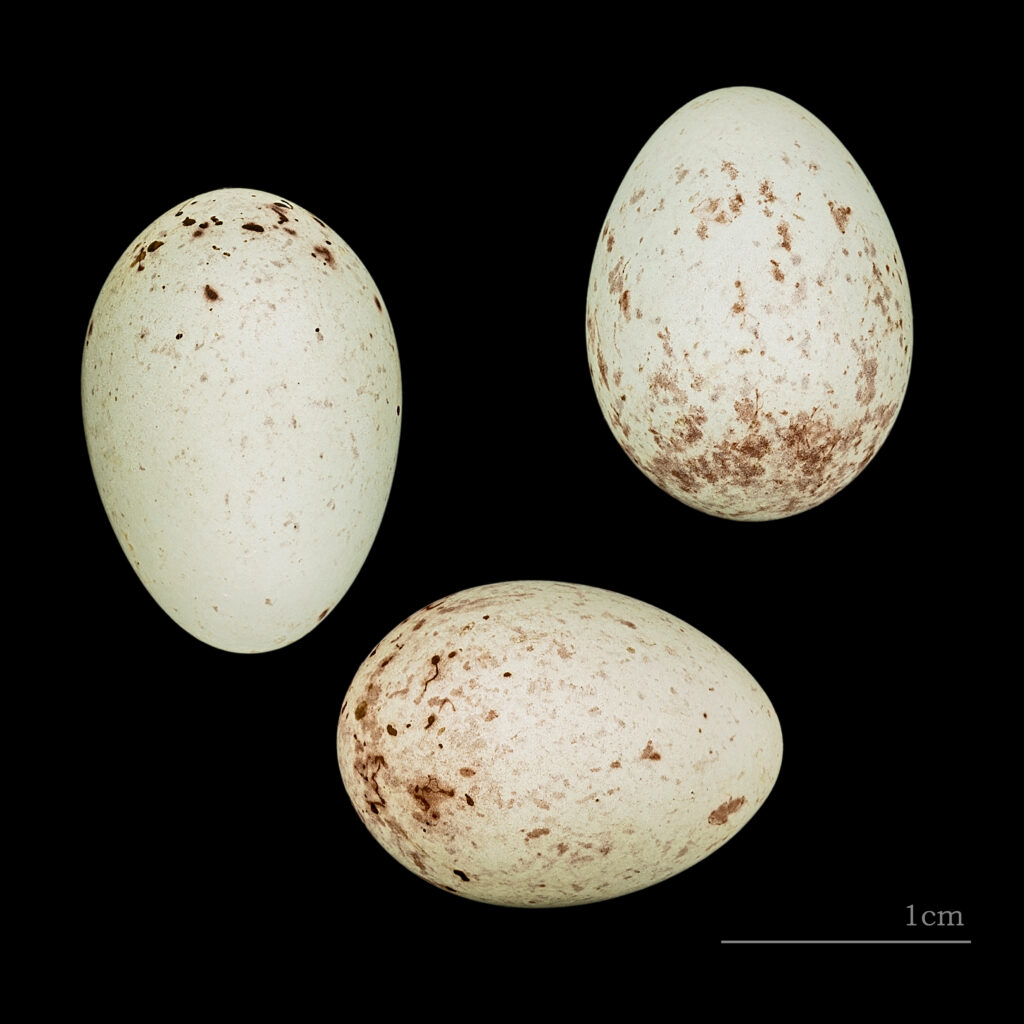
The Domestic Canary (Serinus canaria) is a beginner-level companion bird that can live around 10-15 years — a long commitment. Here is how to care for one properly: housing, diet, health, temperament and enrichment, based on avian-veterinary guidance.
Quick facts
| Care level | Beginner |
|---|---|
| Lifespan | 10-15 years |
| Adult size | Wild and typical pet canaries ~10-13 cm (4-5 in); some large fancy/type breeds reach up to ~20 cm (8 in) |
| Noise level | Moderate |
| Talking ability | None |
| Best for | First-time bird keepers, apartment dwellers and anyone wanting a low-interaction singing bird. |
Housing a Domestic Canary
Minimum recommended cage: 46 x 36 x 46 cm (18 x 14 x 18 in) minimum for one bird, though wider is much better; bar spacing 1 cm (3/8 in) or less. Horizontal flight length matters more than height. Bigger is always better — birds fly horizontally, so width matters more than height. Provide varied natural-wood perches of different diameters, and place the cage in a social, draught-free part of the home away from the kitchen (cooking fumes, especially from non-stick cookware, are deadly to birds).
What to feed a Domestic Canary
Staple: Formulated pellets should make up roughly 75-80% of the diet (e.g. a canary pelleted diet); limit good-quality canary/small-bird seed mix to a small portion, as an all-seed diet is not nutritionally complete. Offer a cuttlebone/mineral block for calcium.
Fresh foods: Vegetables and fruit should make up ~20-25% of the daily diet: leafy greens (kale, endive, romaine, spinach), carrots, peppers, broccoli, plus small amounts of apple, berries, melon and papaya. Do NOT offer grit/gravel.
Foods that are toxic to your Domestic Canary — never feed these
Avocado (persin), chocolate, caffeine (coffee/tea/soda), alcohol, onion and garlic (alliums cause hemolytic anemia in birds), salty and sugary processed human foods, and anything cooked with salt, oil or butter.
Temperament & social needs
A generally hardy, good-natured, largely hands-off cage bird prized for the male's song rather than for handling or interaction.
Males are territorial and are typically housed one bird per cage; unlike flock finches they do not require a companion, and males may fight or stop singing if crowded. Kept for song, not daily handling.
Enrichment
Perches of varying diameter, room to fly, occasional bathing water, and exposure to a natural daylight cycle; song is stimulated by routine and photoperiod.
Common health problems in Domestic Canary
Air-sac mites (Sternostoma tracheacolum, causing wheezing/clicking respiration, sneezing and reduced song), feather cysts (especially heavily/soft-feathered breeds), respiratory disease and aspergillosis, nutritional deficiencies from all-seed diets, and egg binding in hens.
Birds hide illness until they are seriously unwell — a bird that looks "off" is an emergency. Establish care with an avian vet before you need one, and schedule an annual well-bird check.
Setup essentials
Birbs.com may earn a commission from qualifying purchases made through links on this page, at no extra cost to you.
In the wild
The Domestic Canary is also a wild bird — see the Domestic Canary species profile for its natural range, behaviour and conservation status.
Frequently asked questions
How long do Domestic Canary live?
With good care a Domestic Canary typically lives 10-15 years — a long-term commitment.
Is a Domestic Canary a good pet for beginners?
It is rated Beginner-level. Domestic Canarys suit first-time bird keepers, apartment dwellers and anyone wanting a low-interaction singing bird.
What can Domestic Canary not eat?
Never feed a Domestic Canary: Avocado (persin), chocolate, caffeine (coffee/tea/soda), alcohol, onion and garlic (alliums cause hemolytic anemia in birds), salty and sugary processed human foods, and anything cooked with salt, oil or butter.. These are toxic to birds.
Sources & further reading
- LafeberVet - Basic Information Sheet: Canary (opens in a new tab)
- VCA Animal Hospitals - Canaries: Feeding — diet percentages, safe foods list, avocado/grit avoidance (opens in a new tab)
- VCA Animal Hospitals - Canaries: General (opens in a new tab)
- MSD/Merck Veterinary Manual - Parasitic Diseases of Pet Birds (air-sac mites, Sternostoma tracheacolum) and Aspergillosis
- University of Illinois College of Veterinary Medicine - 'Bad for Birds: Prevent Poisoning in Avian Pets' (onion/garlic allium toxicity, avocado, chocolate, caffeine, alcohol)