How to Attract Northern Flicker to Your Yard
The honest, data-backed way to attract Northern Flicker to your yard — the feeders and food they actually use (suet), nesting help, and habitat that brings them in.
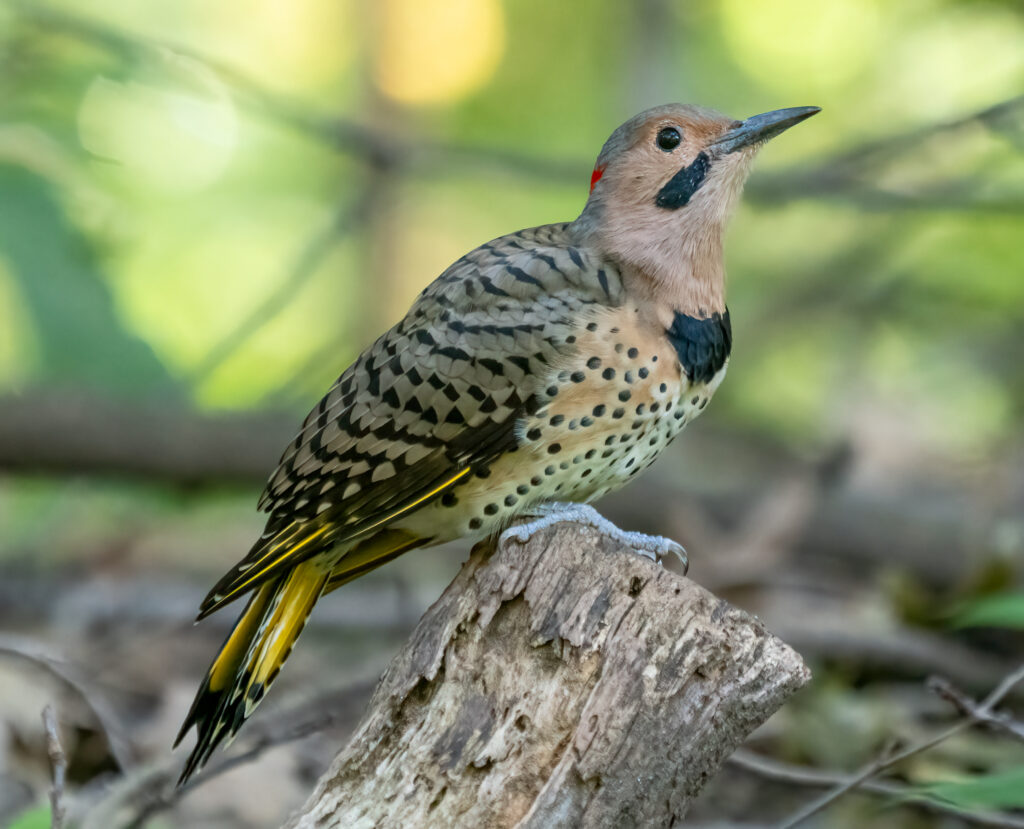
Want to bring Northern Flicker (Colaptes auratus) to your yard? Here is the honest, data-backed version — the feeders and food they actually use, whether they will take a nest box, and the habitat that keeps them coming back. Every recommendation is drawn from real bird-science sources (the Cornell Lab, Audubon and their peers), not guesswork.
The best feeders for Northern Flicker
Does NOT habitually visit feeders — it is a ground forager whose main food is ants dug from soil. Per Cornell, if you have flickers a suet feeder will bring them in; it will also take sunflower and thistle/nyjer. Best offered as suet plus ground/tray feeding rather than tube feeders. A large bird that needs a wide, stable landing surface.
Feeder styles that work for this bird:
- suet feeder
- ground / scattered seed
- platform / tray feeder
Suet feeders
Our take
If you only buy one thing, get a tail-prop suet feeder — the extended board lets a woodpecker brace its stiff tail and feed naturally.
Shop by what matters to you
- Suet cageA simple, cheap start that holds a standard cake (searches Amazon in a new tab)
- Tail-prop feederBigger woodpeckers that brace their stiff tail (searches Amazon in a new tab)
- Upside-down suet feederKeeping starlings off (searches Amazon in a new tab)
- See all suet feederBrowse the full range and compare current prices (searches Amazon in a new tab)
What to feed Northern Flicker
The foods this species takes most readily:
- suet
- black-oil sunflower
- nyjer
Suet & feed
Will Northern Flicker use a nest box?
Yes — Northern Flicker is a cavity nester that will take a correctly-sized nest box. Use these NestWatch dimensions (the entrance-hole size is what keeps larger competitors out):
| Entrance hole | 2 1/2 inches |
|---|---|
| Floor (inside) | 7 1/4 x 7 1/4 |
| Box height | 24 inches |
| Mounting height | 6-12 feet |
Give the box a rough or grooved interior below the hole so chicks can climb out, ventilation and drainage holes, and no outside perch (perches only help predators and competitors).
How to attract Northern Flicker to your yard
Excavates nest holes in dead or diseased tree trunks or large branches (in the north, often trembling aspens with heartrot). Needs a mix of trees and open ground for ground-foraging on ants; avoids dense unbroken forest. Retain snags and wooded edges near open lawn/soil, and offer a NestWatch-spec nest box packed to the top with wood chips (it excavates the fill). A bird bath also helps draw it in.
See it near you
For the full profile — photos, sounds, range and ID — see the Northern Flicker species page. To find where it is being reported right now, use Birds Near You.
Frequently asked questions
What is the best feeder for Northern Flicker?
Does NOT habitually visit feeders — it is a ground forager whose main food is ants dug from soil. Per Cornell, if you have flickers a suet feeder will bring them in; it will also take sunflower and thistle/nyjer. Best offered as suet plus ground/tray feeding rather than tube feeders. A large bird that needs a wide, stable landing surface.
What do you feed Northern Flicker?
Northern Flicker readily takes suet, black-oil sunflower and nyjer.
Will Northern Flicker use a nest box?
Yes. Northern Flicker is a cavity nester that will use a box with a 2 1/2 inch entrance hole (see the dimensions on this page).