How to Attract Red-bellied Woodpecker to Your Yard
The honest, data-backed way to attract Red-bellied Woodpecker to your yard — the feeders and food they actually use (suet), nesting help, and habitat that brings them in.
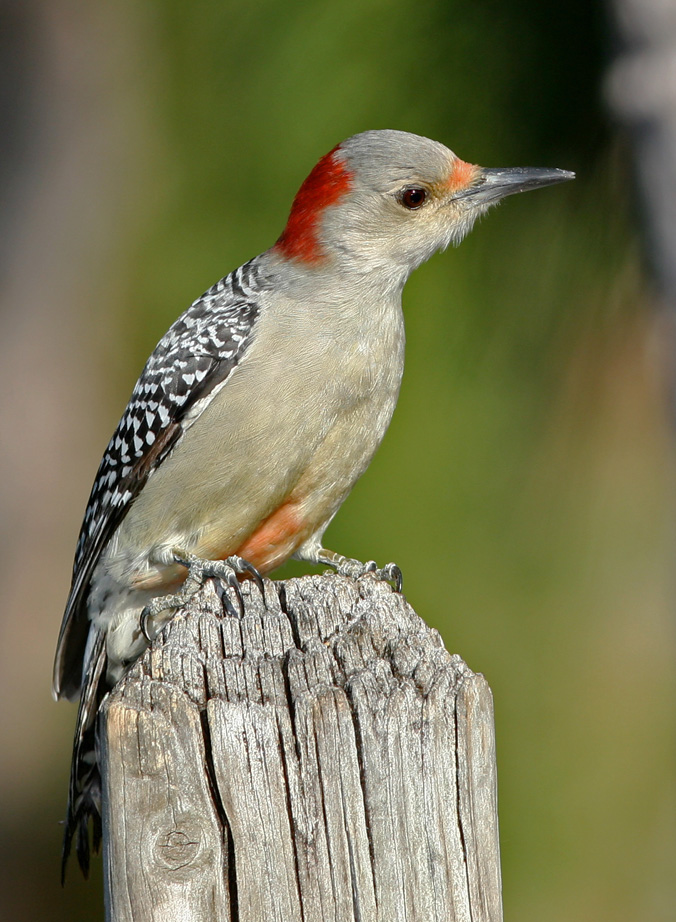
Want to bring Red-bellied Woodpecker (Melanerpes carolinus) to your yard? Here is the honest, data-backed version — the feeders and food they actually use, whether they will take a nest box, and the habitat that keeps them coming back. Every recommendation is drawn from real bird-science sources (the Cornell Lab, Audubon and their peers), not guesswork.
The best feeders for Red-bellied Woodpecker
A bold, dominant feeder bird across the eastern U.S. Per Cornell's backyard tips, suet (in winter) and peanuts are the top draws, with sunflower, safflower, cracked corn, fruit, mealworms, and even nectar all taken; it favors suet cages plus large hopper, platform, and nectar feeders. A large woodpecker, so it needs a substantial perch or a solid landing surface.
Feeder styles that work for this bird:
- suet feeder
- peanut feeder
- platform / tray feeder
- hopper feeder
- fruit feeder
- nectar feeder
Suet feeders
Our take
If you only buy one thing, get a tail-prop suet feeder — the extended board lets a woodpecker brace its stiff tail and feed naturally.
Shop by what matters to you
- Suet cageA simple, cheap start that holds a standard cake (searches Amazon in a new tab)
- Tail-prop feederBigger woodpeckers that brace their stiff tail (searches Amazon in a new tab)
- Upside-down suet feederKeeping starlings off (searches Amazon in a new tab)
- See all suet feederBrowse the full range and compare current prices (searches Amazon in a new tab)
What to feed Red-bellied Woodpecker
The foods this species takes most readily:
- suet
- peanuts
- black-oil sunflower
- safflower
- fruit
- cracked corn
- mealworms
Suet & feed
Will Red-bellied Woodpecker use a nest box?
Red-bellied Woodpecker will use a nest structure, but the right design is specialised — follow NestWatch's species plan for exact dimensions and placement rather than a generic box.
How to attract Red-bellied Woodpecker to your yard
Excavates a cavity in dead wood — a dead tree, dead limb of a live tree, pole, fence post, or stump — usually under 50 ft up; also uses natural cavities, old woodpecker holes, and, per Cornell and Audubon, nest boxes (hung ~8-20 ft high with wood shavings inside). Leaving dead trees/limbs standing encourages it to nest and forage; berry trees such as hawthorn or mountain-ash draw it in fall/winter. No NestWatch 'Right Bird, Right House' box spec exists for this species, so exact box dimensions are not provided.
See it near you
For the full profile — photos, sounds, range and ID — see the Red-bellied Woodpecker species page. To find where it is being reported right now, use Birds Near You.
Frequently asked questions
What is the best feeder for Red-bellied Woodpecker?
A bold, dominant feeder bird across the eastern U.S. Per Cornell's backyard tips, suet (in winter) and peanuts are the top draws, with sunflower, safflower, cracked corn, fruit, mealworms, and even nectar all taken; it favors suet cages plus large hopper, platform, and nectar feeders. A large woodpecker, so it needs a substantial perch or a solid landing surface.
What do you feed Red-bellied Woodpecker?
Red-bellied Woodpecker readily takes suet, peanuts, black-oil sunflower, safflower, fruit, cracked corn and mealworms.
Will Red-bellied Woodpecker use a nest box?
Yes, Red-bellied Woodpecker will use a nest structure — follow NestWatch's species plan for the correct dimensions.