Myrtle Warbler vs Mangrove Warbler: How to Tell Them Apart
How to tell a Myrtle Warbler from a Mangrove Warbler — size, range, family and status compared side by side, with links to each bird’s full ID guide.
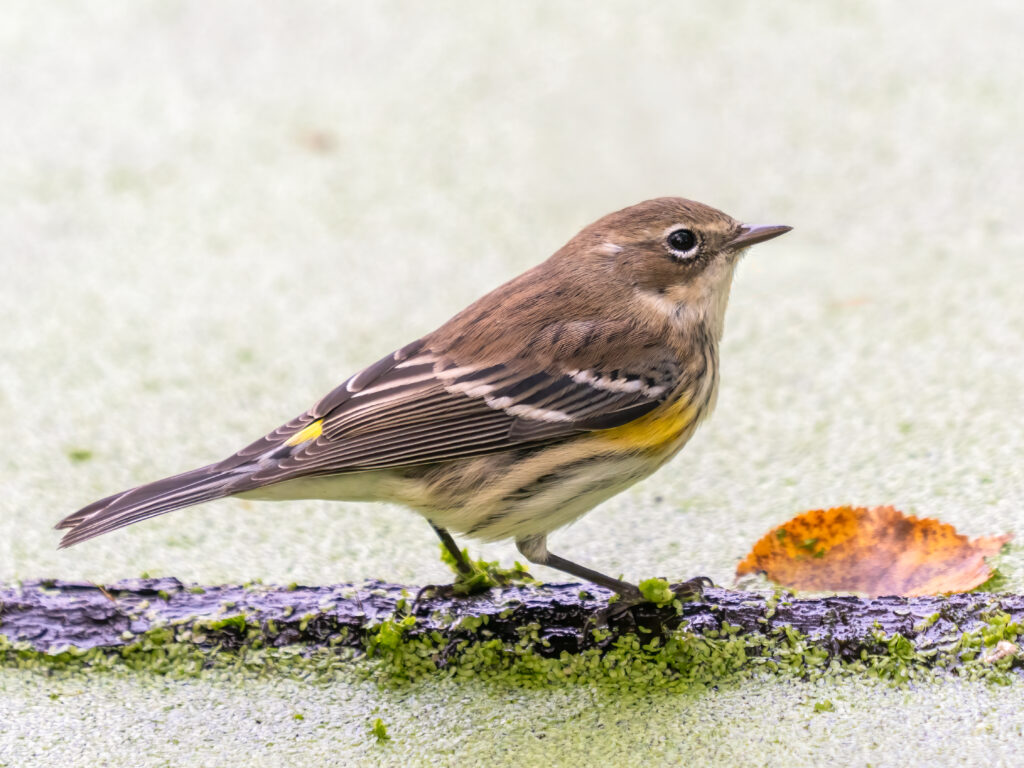
The Myrtle Warbler and the Mangrove Warbler are easy to mix up. Here is how the two compare across every fact we track — size, range, family and status.
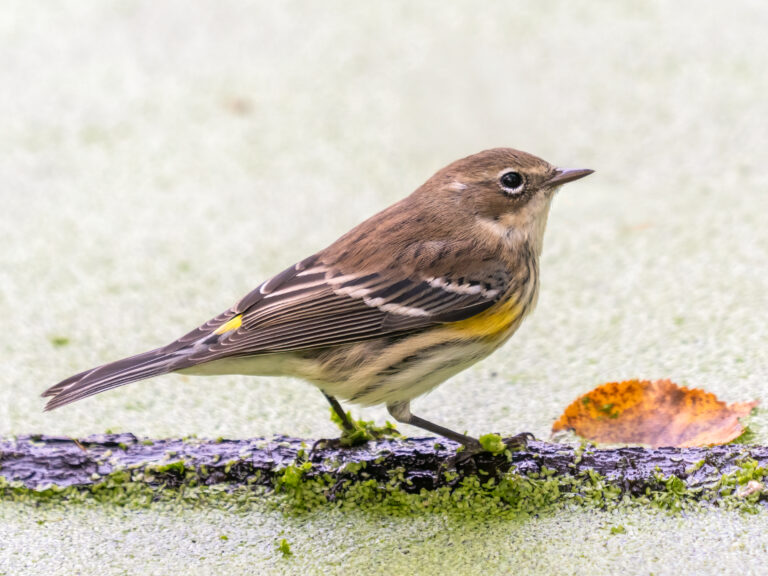 Myrtle WarblerSetophaga coronata
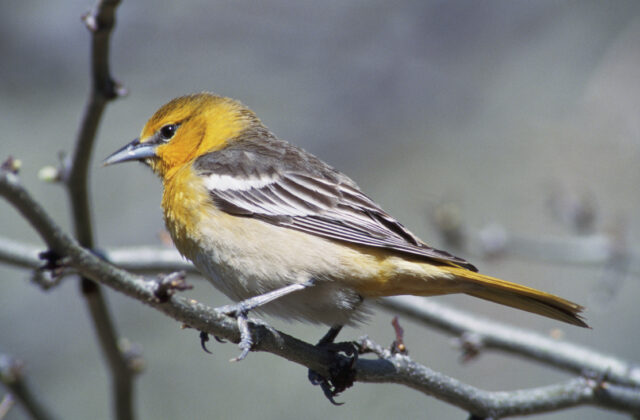
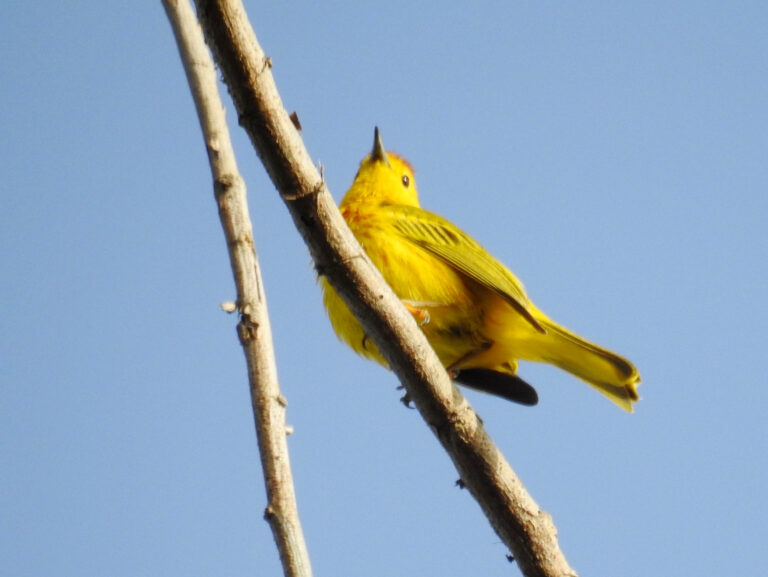 Mangrove WarblerSetophaga petechia
See the Myrtle Warbler → See the Mangrove Warbler →
Key differences at a glance
- Size: the Myrtle Warbler is heavier (11.9 g) than the Mangrove Warbler (10.2 g).
- Family: close cousins — both are Parulidae and share the genus Setophaga.
- Range: their ranges overlap in North America.
Side by side
How to tell the Myrtle Warbler from the Mangrove Warbler
The Myrtle Warbler is the bigger, heavier bird. Range: their ranges overlap in North America. Beyond the numbers, plumage and call are the clinchers — compare them on each profile below.
For plumage, calls and the finer field marks, open each bird’s full profile — every one has photos, sounds and ID notes.
More bird showdowns
- American Crow vs Northern Raven: How to Tell Them Apart
- American Goldfinch vs Pine Siskin: How to Tell Them Apart
- Bald Eagle vs Golden Eagle: How to Tell Them Apart
- Barn Swallow vs Tree Swallow: How to Tell Them Apart
- Belted Kingfisher vs Great Blue Heron: How to Tell Them Apart
- Black Vulture vs Turkey Vulture: How to Tell Them Apart
Figures are the data we hold for each species (body weight, size class, family, range and conservation status); they describe typical individuals and can vary. Plumage and voice details live on each bird’s profile.
Frequently asked questions
Is the Myrtle Warbler bigger than the Mangrove Warbler?
Yes — the Myrtle Warbler is heavier, around 11.9 g, versus about 10.2 g for the Mangrove Warbler.
Are the Myrtle Warbler and the Mangrove Warbler related?
Yes — both are Parulidae, so they are close relatives.
Do the Myrtle Warbler and the Mangrove Warbler live in the same places?
Range: their ranges overlap in North America.